
A Legacy of Keeping the Library Thriving: Celebrating National Friends of Libraries Week, October 18-24
A library is more than books and shelves. It’s a place where neighbors meet, children discover new worlds, and people of all ages find opportunities to learn and connect. Keeping a library thriving, however, takes more than librarians and a good collection. It takes a community that believes in what a library can be.
For more than six decades, the Friends of the Montecito Library (FOML) has helped make that possible. During National Friends of Libraries Week, October 18-24, we celebrate the people whose generosity, determination, and volunteer spirit have helped shape our library’s history and secure its future.
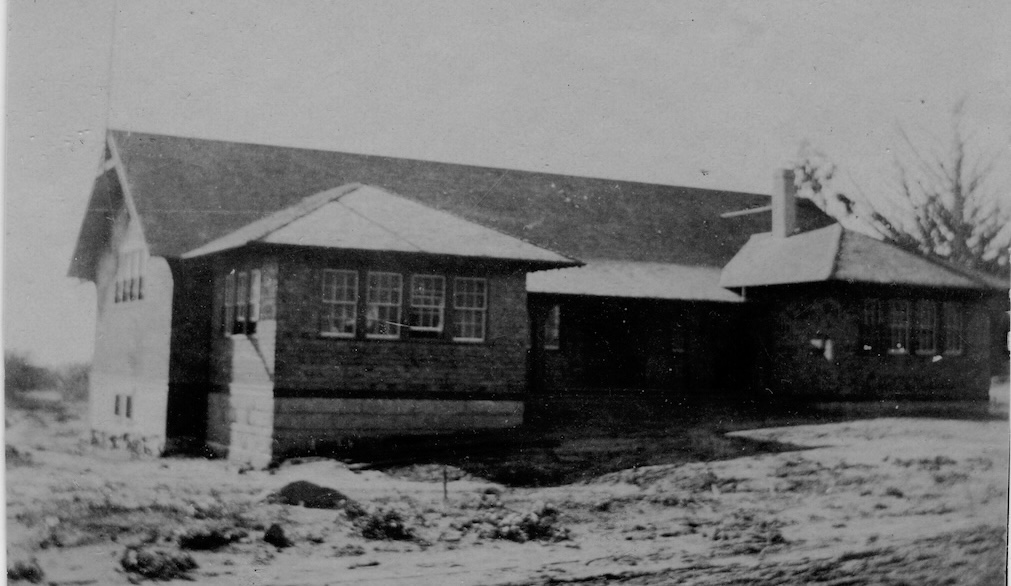
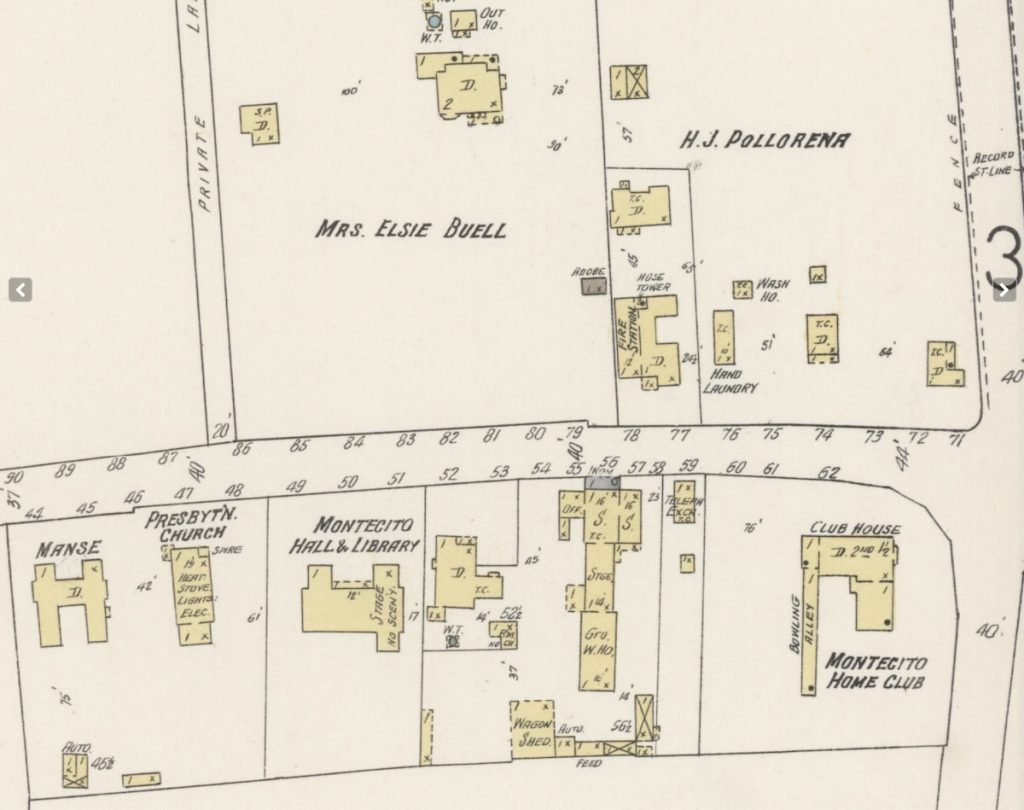
The story begins in the late 1890s, when Montecito residents formed the Montecito Hall and Library Association to establish a gathering place for a community spread across farms, orchards, and large estates. The hall opened in 1900, hosting dances, early film screenings, Boy Scout activities, and Montecito’s first library.
The first librarian, Mary A. Spring, carried books from her home on East Valley Road and opened the library one afternoon a week. She continued for years, even as local newspapers appealed for more books. It was an early example of a tradition that continues today: Montecito residents pitching in to make library service possible.
By 1960, the library needed more space and moved across the street into Montecito Village. The Friends began appearing in local newspaper accounts, providing funds for furnishings, children’s reference books, and other essentials. As the collection grew and demand increased, the library moved to larger quarters at Studio 43 in Montecito Village in 1968 and eventually opened six days a week. Meanwhile, the possibility of returning to Montecito Hall was taking shape.
By the late 1970s, the future of Montecito Hall was uncertain. The aging building needed attention, and residents debated whether to replace it or renovate the historic structure. In spring 1979, the County Board of Supervisors set a formidable fundraising challenge: to secure $160,000 in County funding, the Friends needed to raise $100,000 in just three months.
The Friends responded with remarkable determination, contributing the first $20,000 themselves before rallying neighbors, families, and local businesses. By July, they had raised nearly the entire goal, making the renovation possible.
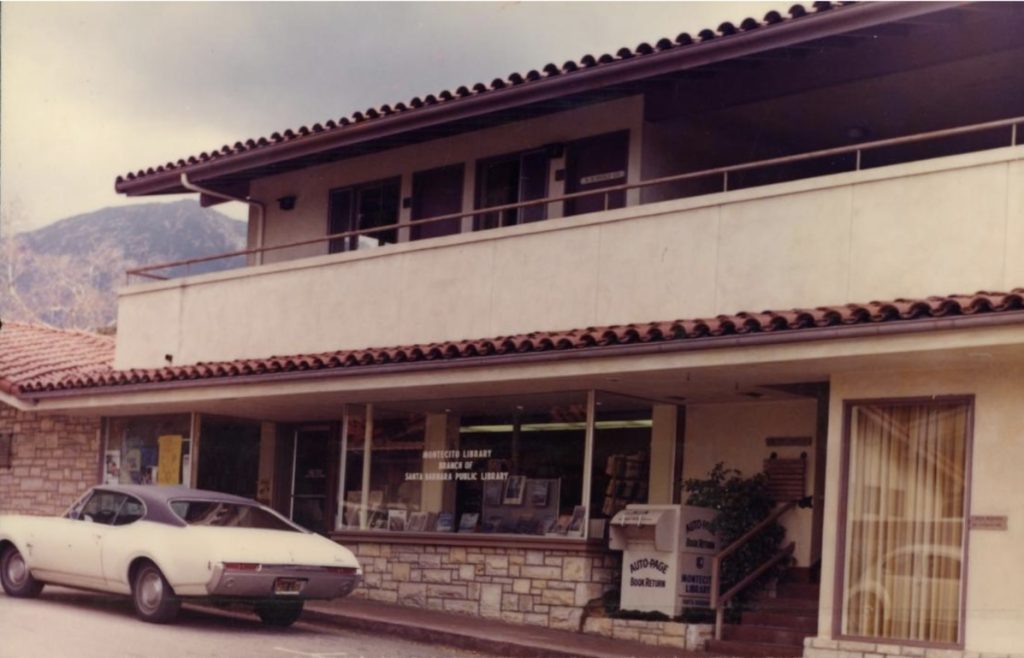
(photo courtesy of the Edson Smith Collection, Santa Barbara Public Library)
The library was scheduled to return to its historic home in October 1980. But one small, yet important detail had been overlooked: no money had been set aside to move the books and equipment. Beloved librarian Georgia Young stepped in, rallying Westmont students, off-duty firefighters, Friends members, and other volunteers to carry the collection across the street. The community quite literally carried its library into its next chapter.
That spirit of service was also embodied by Judge William Reppy, a founding member of the Friends’ board, longtime volunteer, and devoted patron. The Reppy Room, named in his honor, recognizes Judge Reppy’s decades of dedication and reminds us that a library’s legacy is built by people as much as by books or buildings.
The Friends have also helped preserve Montecito’s artistic character. A painting, Dead Live Oaks, by Douglass Parshall, son of noted local artist DeWitt Parshall, was donated to the Friends when Santa Barbara Bank & Trust opened a Montecito Village branch in the 1980s. It still hangs in the Reppy Room. More recently, a painting of the library by beloved local artist Jeremy Harper joined the collection through a Friends board member.
In 1986, the Friends donated $21,000 for computers, making the Montecito Library the first library in the Black Gold Cooperative to go online and broadening patrons’ access to information and resources. Since then, the Friends have continued advocating for library services when budget cuts threatened operating hours and book budgets.
Today, their support helps sustain the library’s book budget and operating hours, as well as free programs ranging from the children’s Summer Reading Program to the ever-popular Mah Jongg beginner lessons and open-play sessions. These contributions help keep the library welcoming, accessible, and responsive to the community it serves.
As a librarian, I see every day that a library’s greatest contributions can’t always be counted in books borrowed or programs attended. They’re also found in the connections made, the curiosity encouraged, and the knowledge that there’s a place in the community for everyone.
For generations, the Friends of the Montecito Library has helped make all of this possible. During this special week, we thank them for their generosity, their advocacy, and their enduring belief that our library is worth investing in.
After all, even a great library needs a little help from its Friends.
You might also be interested in...




You must be logged in to post a comment.