
Pete Jordano’s Lives
“The company was pretty small then, but lemme tell you – on a typical Sunday I would be washing my car.” His name is Pete Jordano and he is an institution. I’ve come to his office to interrogate him. He’s taking it well. “I drove a ‘39 Pontiac. While I would be washing my car, I’d have the radio on, and it would be an ad by H.J. Caruso – a big car dealer and Rick Caruso’s father.”

This is one of those stories. Pete Jordano knows everyone. This is not shorthand. Ninety years on Earth combined with a helplessly gregarious nature will swell the Rolodex to nutty proportions – never mind the decades Pete spent as free-range CEO of the sprawling company that bears his family name.
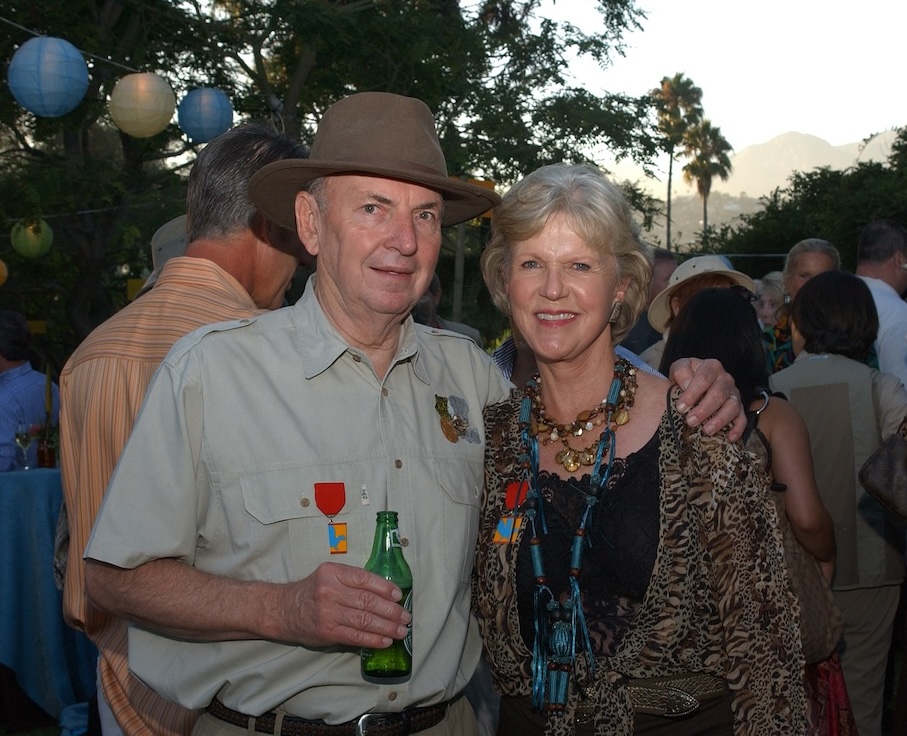
The man lives at the center of Santa Barbara lore across many categories – Corporate Legend, Tireless Philanthropist, Gilded Storyteller, Connected and Cherished Patriarch. Pete Jordano is a quiet giant. Alongside his longtime pal, chief ally, and power partner – a demure hurricane named Gerd Jordano – Pete has spent a lifetime lavishing on the Santa Barbara community all the love he feels for the place, its institutions, and the hardworking nonprofits that lift it. There are public figures, and then there are reflexive lovebirds who simply act on impulse to buoy the hometown’s heart and daily life.
For the Jordano family, 2025 is a nexus. Pete Jordano turned 90 in February of this year, Jordano’s proper turned 110, and current President/CEO Jeff Jordano marked his 35th year with the family project. This confluence of anniversaries comprises a moment. Sometimes a name will transcend its baptismal origins and become emblematic of an epoch, a culture – a warm, deep-seated sense of place and time. To this writer’s mind, that warming phenomenon summons names like “Jack Lemmon,” “Joe di Maggio,” “Sid Caesar,” “Dean Martin.” In the American Riviera the name “Jordano” is many-gabled, and deeply redolent of home in a town whose 20th century arc maps to the Jordano family’s own. Pete Jordano embodies these combined sagas.
“I’ve been so damn lucky,” Pete exults in an early summation. He offers a nod of assent. “And yeah, I’m a little nuts.”
At the Blue Onion with an Orangeade
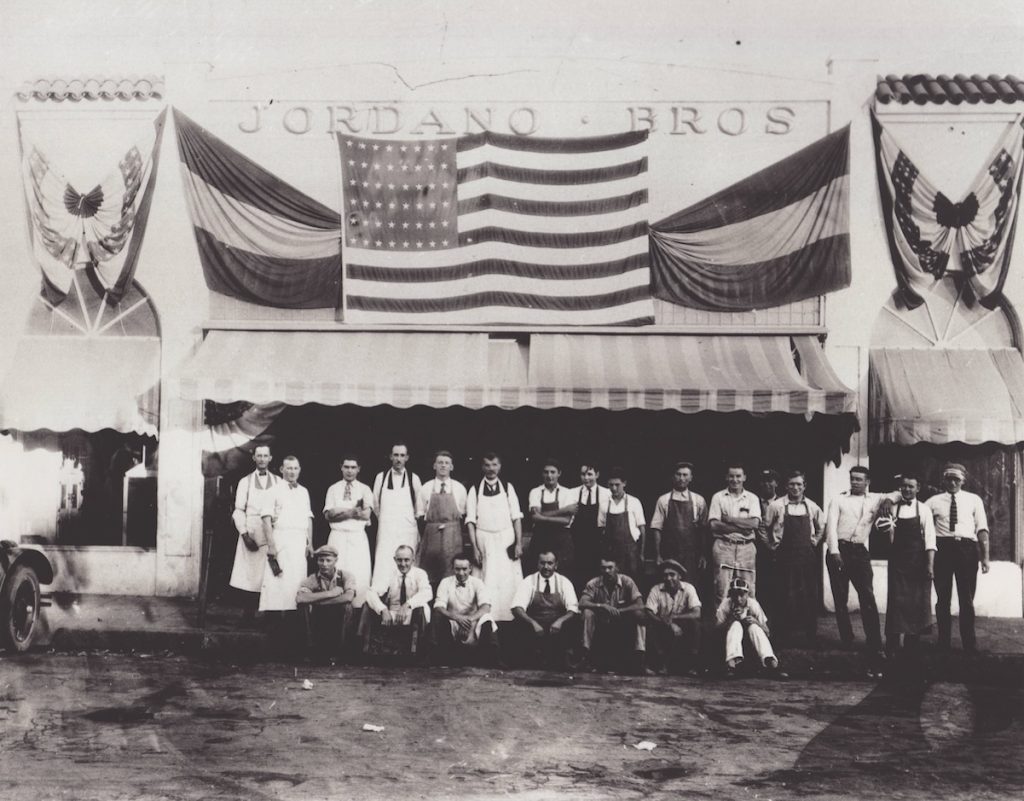
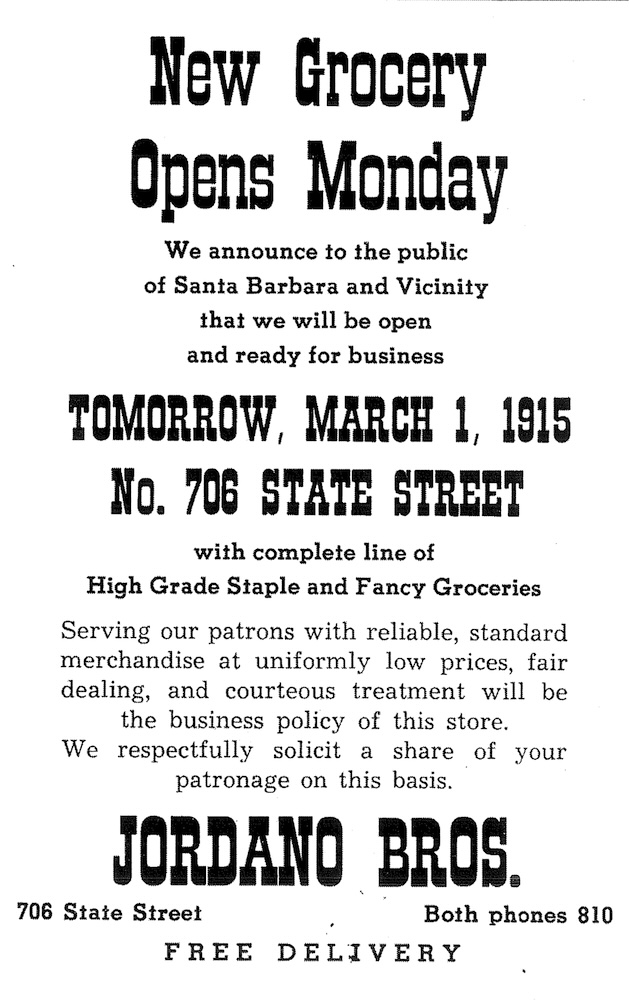
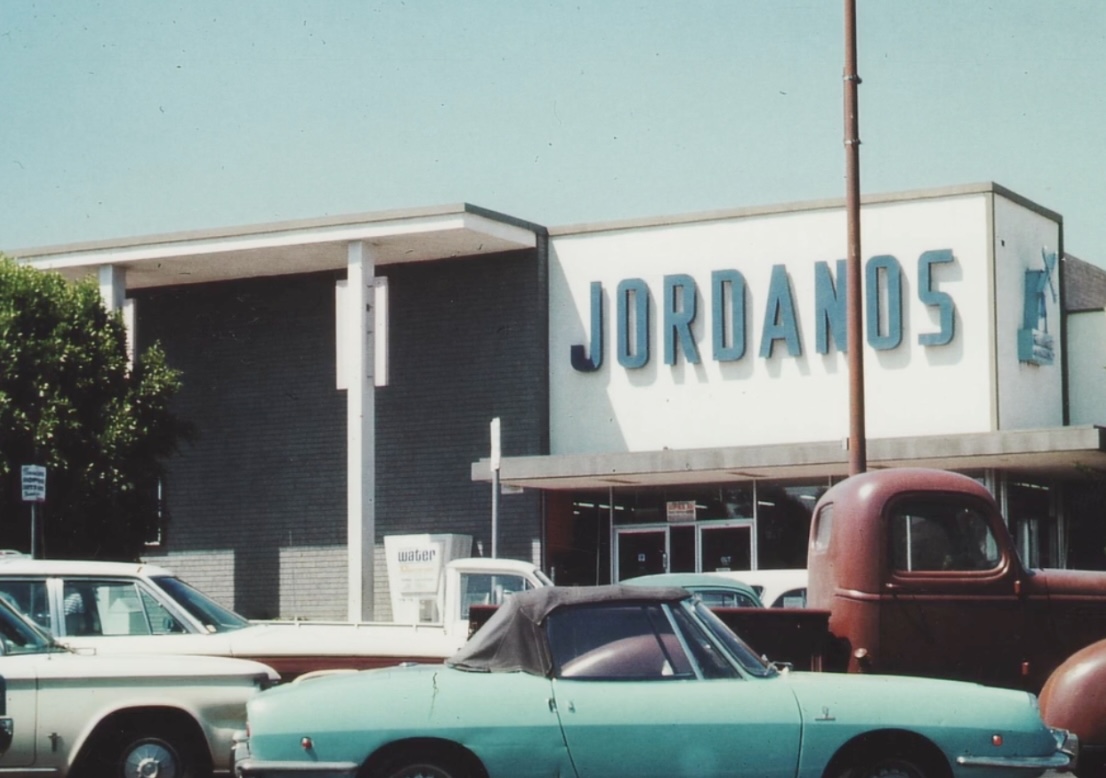
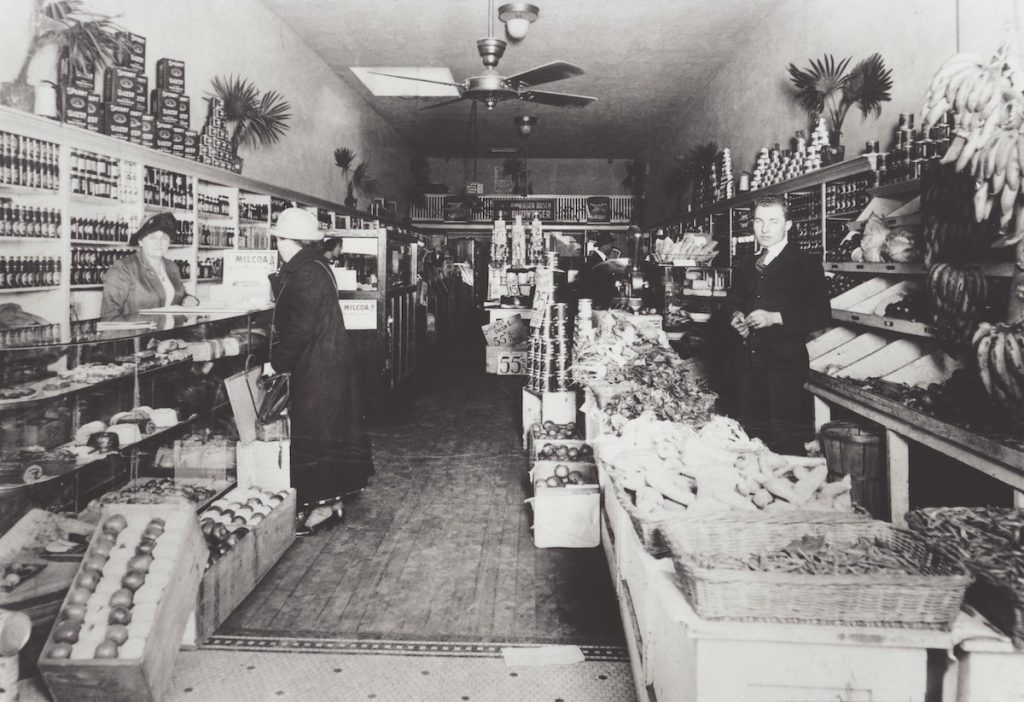
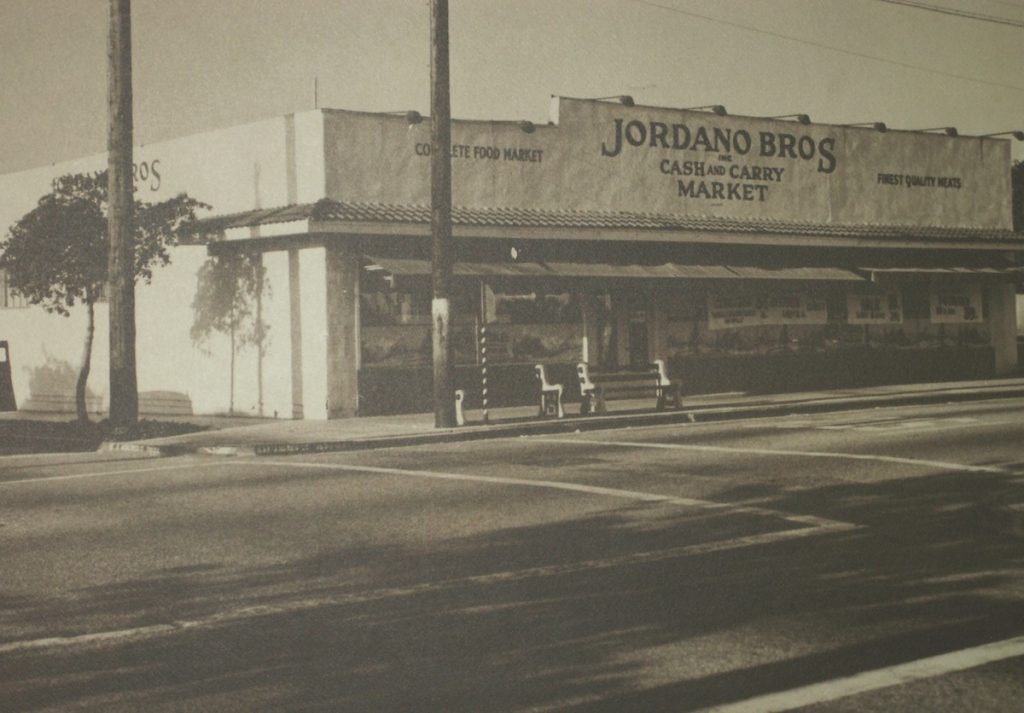
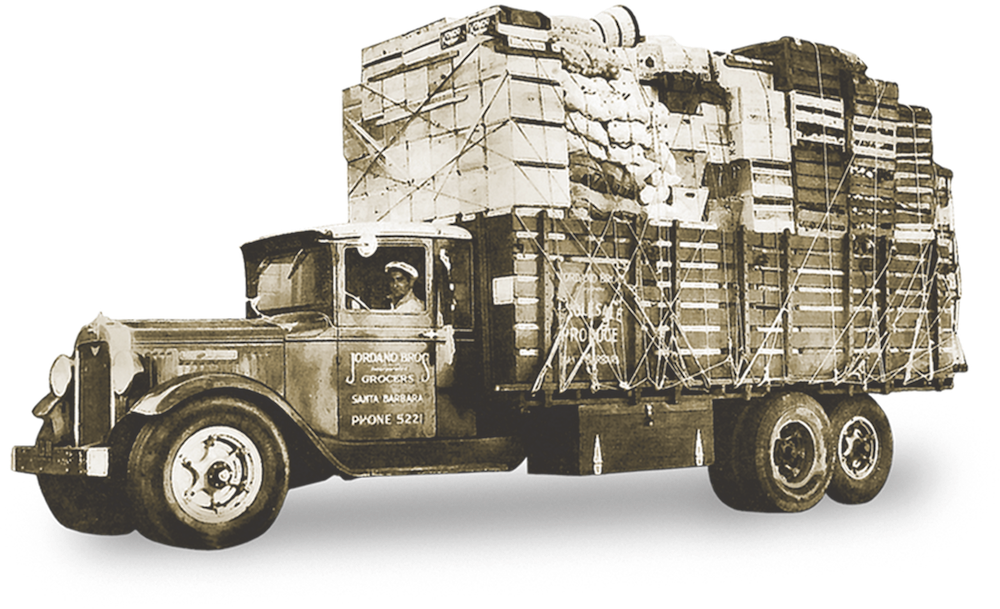
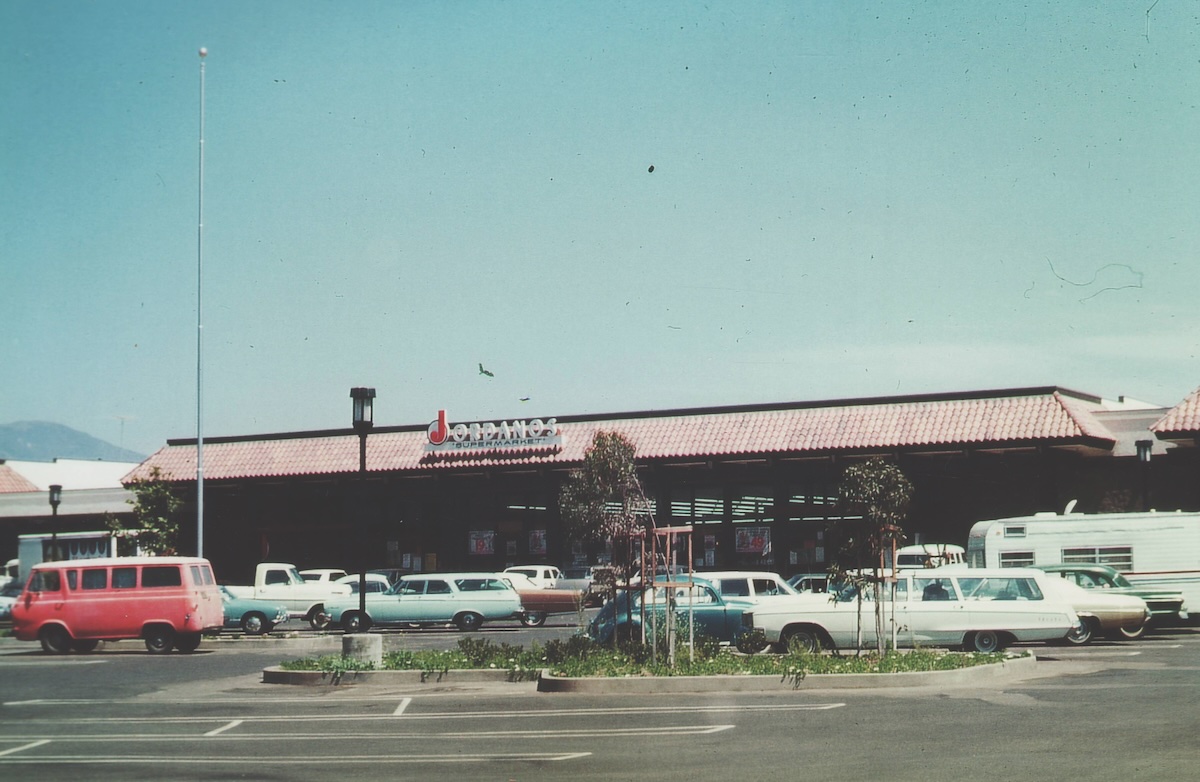
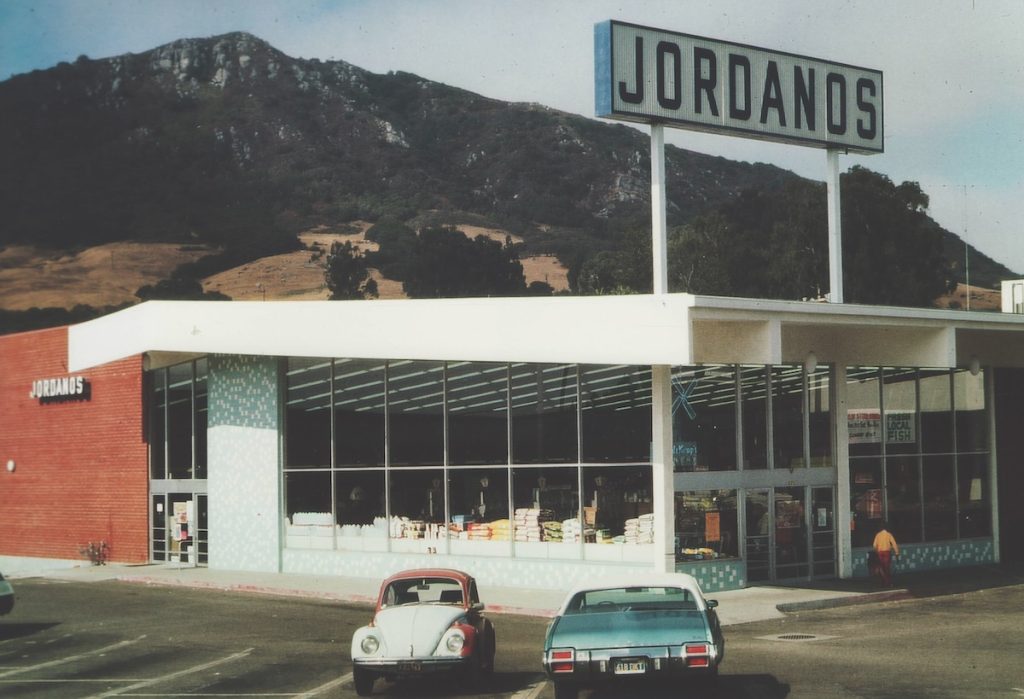
The first Jordano Brothers Market opened at 706 State Street in Santa Barbara. The year was 1915. For perspective, that’s the year we discovered the planet Pluto. These 110 years later, Pete’s son Jeff – he of the Duke University MBA, 35 years in the company trenches, and probable fondness for aspirin – is President and CEO of Jordano’s and Pacific Beverage. At 500+ employees, revenues of $350M, 10,000 food service products and 1,300 beverages, (who knew that many beverages even existed in the world?) Jordano’s is the second largest such outfit in the state of California. By now it’s safe to say the Giordano brothers’ plucky “Hey, let’s open a little store” notion has been wildly vindicated.
Pete is today Chairman and energized ambassador of Jordano’s. But it was as CEO in 1975 that Pete orchestrated – though a storied combination of acute business acumen, interpersonal chutzpa, and “whiskers” – the company’s triumphant emergence from an abyss. And he did it with panache.
I’m ushered into Pete’s Goleta office by his longtime executive assistant Jo Ann, whose tactically arched eyebrows convey a “best of luck” sentiment. Pete Jordano is seated behind a desk the size of a pool table and greets me like an old friend. I’d sent ahead a short list of questions, and Pete now gingerly lifts the sheet of paper by the corner – as one would an oil-soaked rag – and sets it aside. “These I don’t want to talk about,” he says with finality. “No personal stuff.” But I ask him about teen life in ‘50s Santa Barbara and the man opens up like a two-dollar suitcase. Pete Jordano is a softie. Stop the presses.
“On a typical weekend or evening we would cruise from de la Guerra Plaza to the Blue Onion and back around again. I mean, if you ever wanted to see one of your buddies you would find him at the Blue Onion with an Orangeade. It was just a ritual!”
The genie is out of the bottle.

“After the Friday night ball games there were dances at the Rec Center on Carrillo. I was chairman of the Recreation Youth center there. And do you remember the name Gil Rosas? Gil was a piano player for the Youth Center. Everybody went to the dance at the recreation center after the Friday game.”
It’s customary to describe charismatic persons as having a “twinkle” in the eye, and Pete Jordano is no exception. Pete’s twinkle, though… well, the gentleman possesses what can best be called “Resting Mischief Face.” His default expression suggests an ongoing suppressed grin. If Pete Jordano were your kid with that face you might feel inclined to send him to his room. Ninety years in, and the man wears the mug of a 10-year-old cooking up a scheme. For all that, he is an open book.
“I was trying out for Santa Barbara High’s baseball team,” he says. “I grounded the ball and I got thrown out at first base. Coach Bud Revis yelled ‘$%!!*& Jordano! You run like you have a piano strapped to your back!’” Pete absolutely beams. “So I knew right then that I was probably not going to be an athlete.”
The Giordano Brothers’ Excellent Adventure
In the 1880s, a guy named Pietro Pomatto left his small village of Rivarolo Canavese in northwestern Italy to find work. Wandering somewhat afield, he found work 6,018 miles away in a future beach blanket bacchanal called Santa Barbara, at that time a frontier clapboard community fronted by the unreasonably beautiful Pacific and dotted with ranches.
Back home in Italy, Pietro’s pregnant sister Annetta was married to Giacomo Giordano. Pietro’s idea was to save enough money to bring his brother-in-law over to Santa Barbara, where Giacomo would find work and a place to live. Once settled and with savings of his own, Giacomo would bring his wife and child over. That was Pietro’s thought, anyway. Unbeknownst to Pietro, Giacomo and his brothers Matteo and Giovanni had made a pact: if one Giordano brother leaves the village, all three leave the village. That they did.
The brothers’ fortunes lay along separate paths. Giovanni heard of promising opportunities in Argentina and peeled off to try his luck in South America. He was never heard from again. Matteo and Giacomo continued on to the States and came in through NYC, where the 305’ Lady in the Harbor (as Sinatra affectionately called her) waved them in with the implicit and explicit promises inherent in her magisterial raised torch.
Travelling across the continent to California, Matteo would find work in the asphalt mines of Coal City, Illinois, and stay there for years, ultimately returning to Italy sometime after WWI. Giacomo would continue on to California and indeed be joined in Santa Barbara by Annetta and their firstborn, a son named Peter. The couple would have four more children; Josephine, John, Dominic, and the youngest of the sibs, Frank.


It was Giacomo’s firstborn Peter Giordano who, in a Goleta classroom, would inadvertently rechristen the family. At seven years old the kid’s stammering, uncertain command of English would drive his impatient 2nd grade teacher to the chalkboard, where she would phonetically scribble Peter’s last name – Jordano. The name stuck.
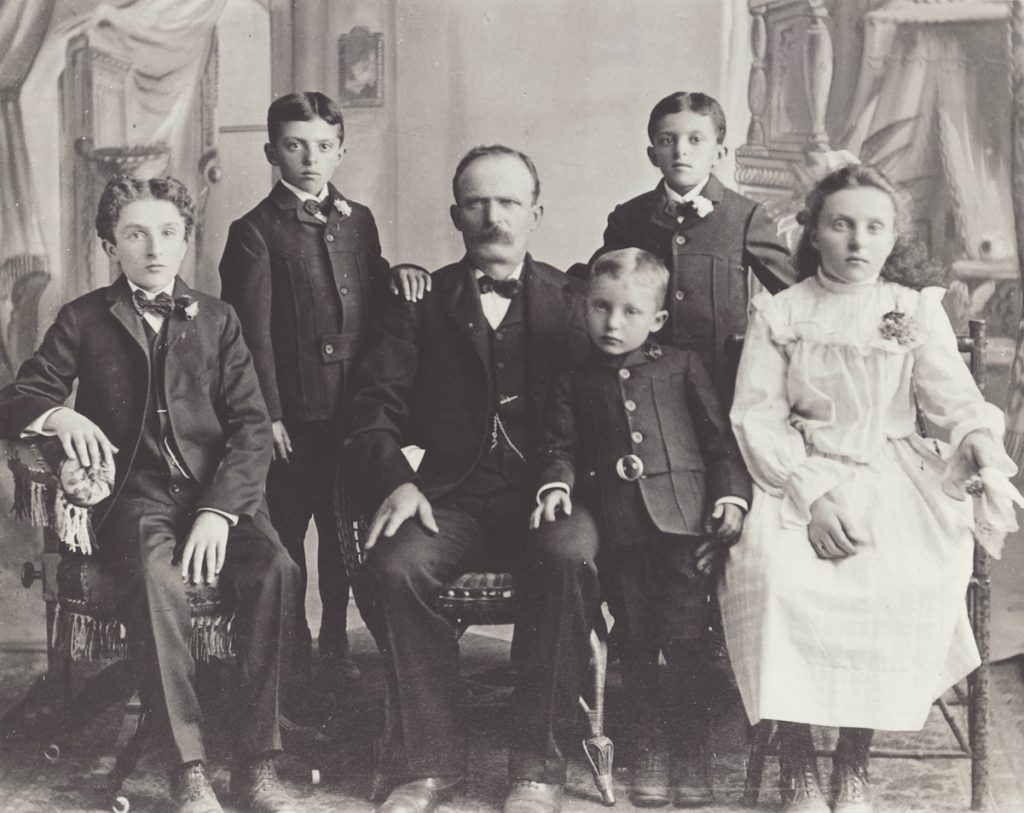
In an early formal photo, a regally stern-faced, mustachioed, and besuited Giacomo Giordano is surrounded by his (mostly) well-mannered family. Per the day’s custom, faces are attentive but unsmiling, everyone holding stock-still as their collective image is burned onto the photographic plate. In seeming anticipation of the outlandish century that lay just ahead, baby Frank – our Pete’s father – appears in his mother Annetta’s lap as a blur with an excited expression.
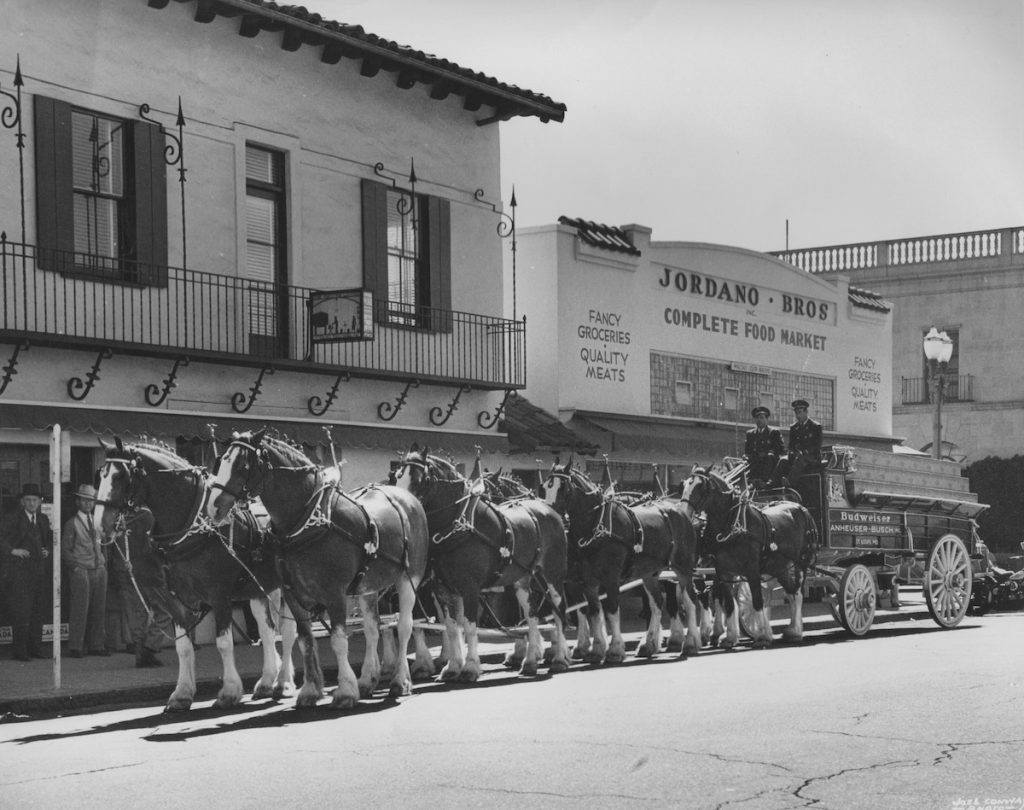
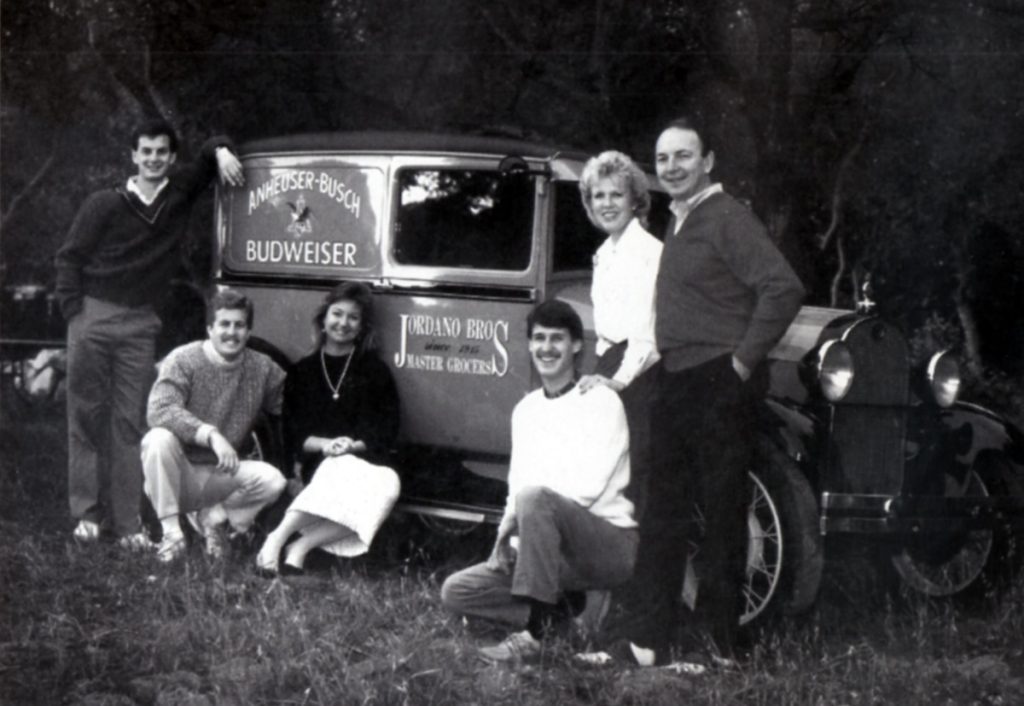
By 1915 the Jordano brothers – Pete’s father and three uncles – had parlayed a $500 loan from family into the opening chapter of a 20th century business dynasty. The brothers’ collective iron will – immigrant siblings determinedly putting shoulder to wheel – would see their fledgling business roll with hard-won momentum through a notably chaotic century.
For Pete’s Sake
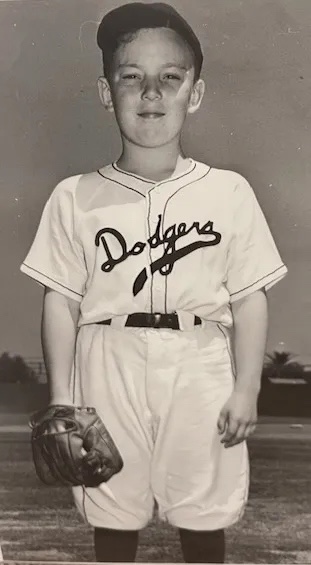
“So I didn’t grow up in a fancy house in Bel-Air or anything like that. I lived at 1307 Cota Street – that’s a block below APS. Before World War II, the Dodgers had a farm club here, the Santa Barbara Dodgers.” Laguna Park was adjacent to the Jordano family home, and little Pete wasted no time squirming under the fence and introducing himself. “And so I became bat boy for the Santa Barbara Dodgers.” Minor League Baseball in SB would soon go on wartime hiatus.
Just a couple months after the devastating attack on Pearl Harbor, Imperial Japanese Navy submarine I-17 would bob to the surface just offshore of Goleta, hurriedly man its deck gun, rake the Ellwood Oil Field, and skedaddle. Damage was minor, but a Japanese sub firing on Goleta rattled the entire state of California. For three summers thereafter there were no Dodgers at Laguna Park. But combat pilots training at the nearby Marine Corps Air Station began using Laguna Park for their own ad hoc baseball games, and guess who volunteered to be bat boy? Future Marine Pete Jordano. When the Dodgers farm club returned after the war… well, someone had to fetch those bats.
“Bottom line, I became bat boy for the Marines, and I became the bat boy for the Santa Barbara Dodgers.” The guy across the desk from me is smiling like he just got out of school for the summer. Ninety-years-old, my eye. “I was the envy of every kid, being a bat boy! Sounds crazy, I know…”
Graduating Santa Barbara High School (“‘…Once a Don Always a Don’. You’ve probably heard that one…”), Pete attended San Jose State. “I thought that if I went to someplace like UCLA I would come home all the time and it wouldn’t be good. So I went to San Jose State. Bottom line, I needed to be out there and grow.” Nascent leadership qualities quickly emerged, as well as the beginnings of a storied network.
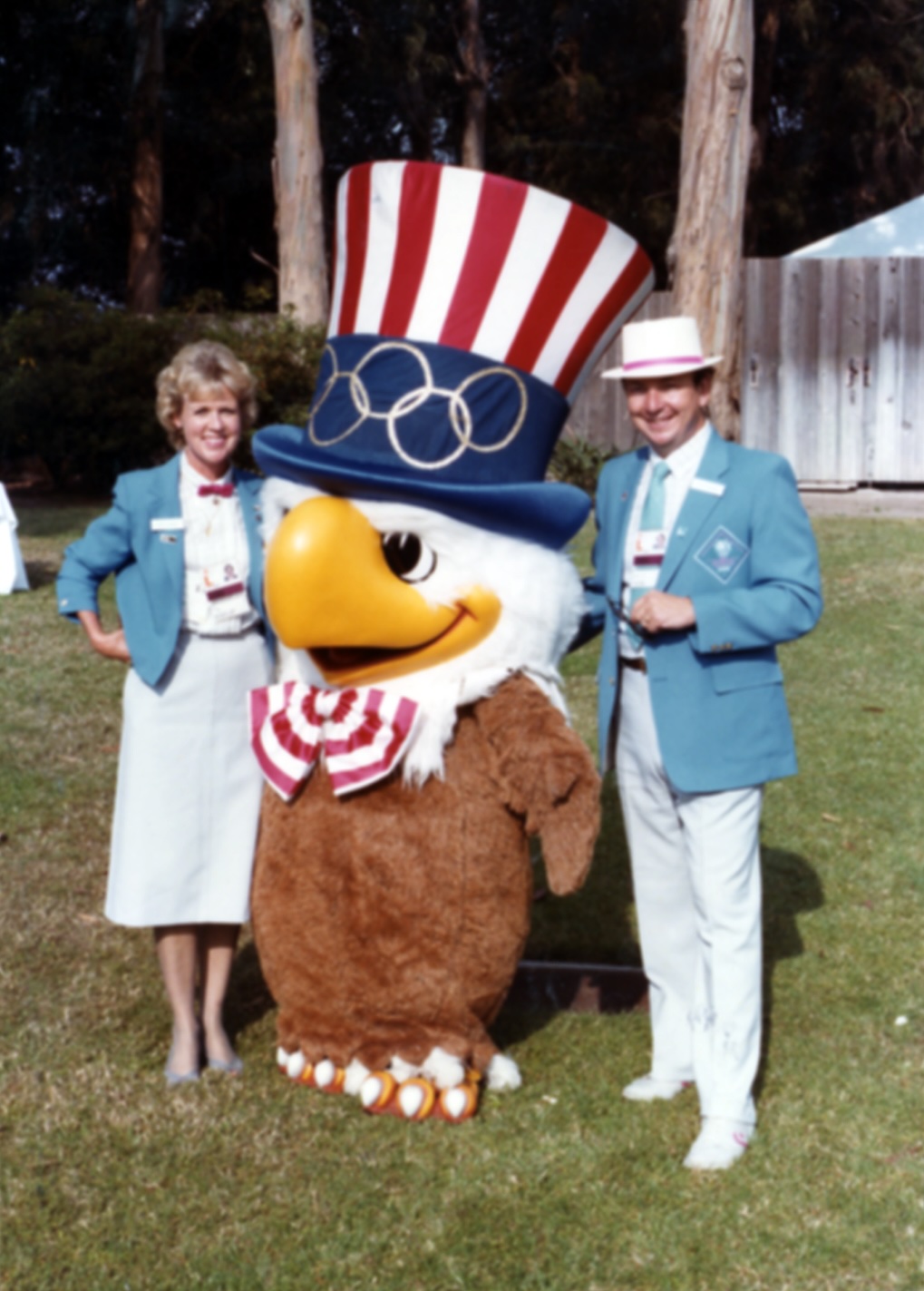
“I became president of our fraternity and then president of the fraternity council. And that’s where I met [vaunted ‘84 Summer Olympics organizer, Time Magazine’s Man of the Year, and sixth Commissioner of Baseball] Peter Ueberroth.” Pete Jordano would later accept longtime friend Ueberroth’s entreaty and act as “Mayor” of the ‘84 Olympic Village at UCSB.
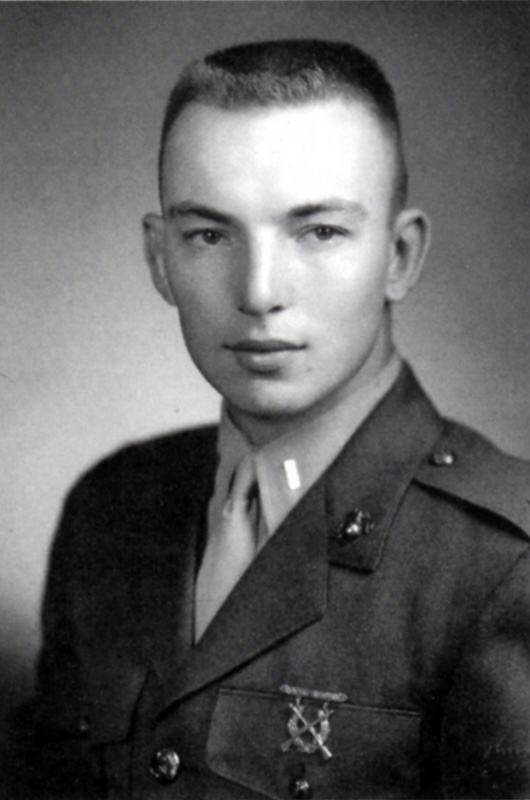
Following college, Pete joined the Marines, where he knew temperature extremes in the yin and yang category. “I went to cold weather training and lived in snow caves at Bridgeport, California for six weeks,” he says. “And then I also spent time in French Flats, the atom bomb test in Nevada, where I lived in tents in the desert.”
When Pete left the service and came home, he was not exactly handed the keys to the executive washroom.
“If I think about my success, I tell you I had a tough time as a kid growing up. I wasn’t raised with a silver spoon, and that made me a better leader and a better person. When I came back from the service, my three partners, which were cousins, put me to work for the company, which was wonderful. But here I had been groomed to be an officer and a gentleman, and I come back from service and I’m driving a truck. I mean, that was hard for my ego.”
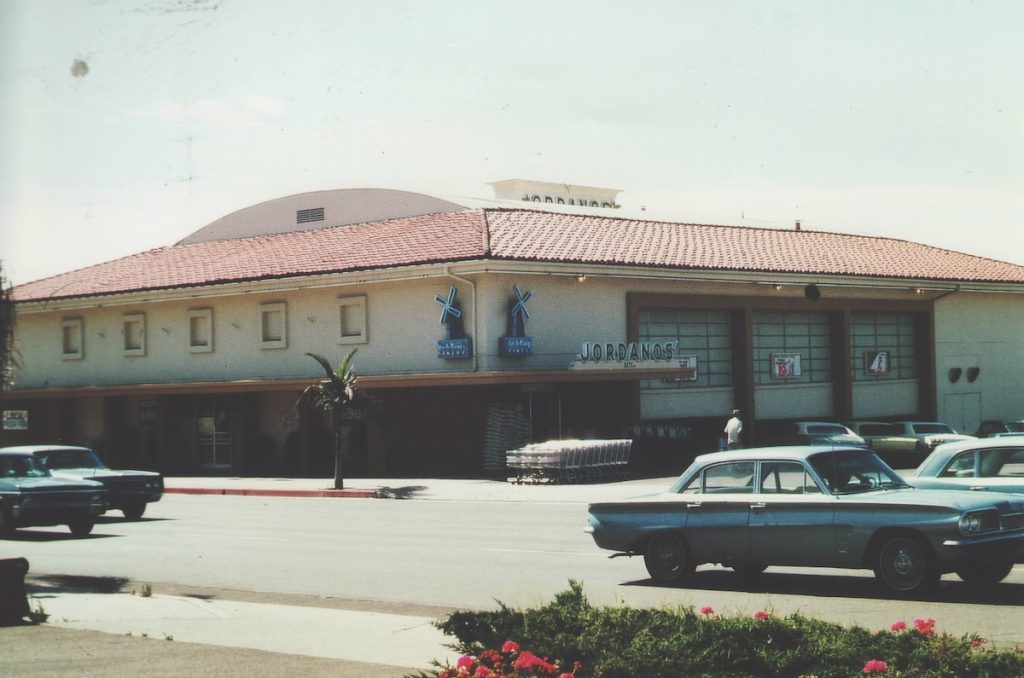
Fast forward through decades of strategic gyrations and towering business challenges (two world wars and the Great Depression for starters), and by the early 1970s Pete is CEO of Jordano’s – a grocery juggernaut boasting 19 grand and bustling retail stores throughout Santa Barbara, Ventura, and San Luis Obispo counties. But the day’s national grocery chains had begun roaming the landscape in search of conquest. When the Business Fates came calling, CEO Pete Jordano did what he had to.
Here I’ll madly oversimplify and change verb tenses. With Jordano’s retail grocery empire in decline and their creditors calling the cows home, Pete sees the family business through a transformative gauntlet that would have vaporized a lesser company. The retail stores are sold off to grocery megaliths and Jordano’s begins what will become a wildly successful new epoch. In 1977 Jordano’s Foodservice is born. Today Jordano’s is the second largest such distributor in California and 35th largest independent food service operation in the nation.
Pete and Gerd
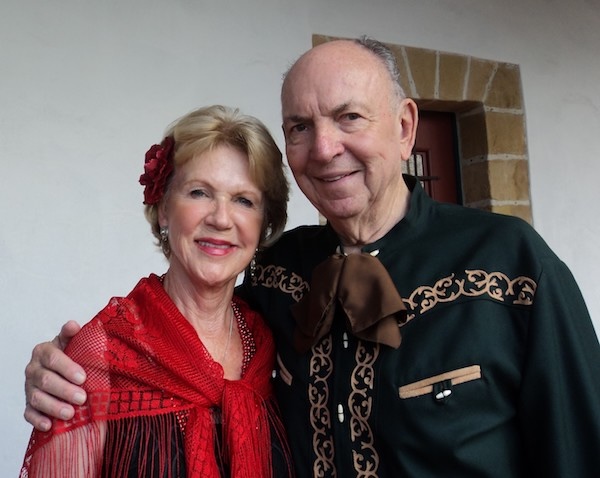
Pete Jordano has done a lot and seen a lot. He’s a little uncomfortable talking about himself and he’ll periodically stop to throw cold water on what he fears may be a growing misperception. “In high school I always worked after school as a checker,” he says. “I had a job at the retail stores.” He perks up, ever the proud Jordano. “At one time we had 19 supermarkets!” His face slackens. He grins and waves a hand. “Oh, okay. You’re going to think I got the biggest ego in the world.”
On the contrary, sir. Or to put it another way – Ego Schmego.
Pete came right up through the middle of the cyclonic 20th century, in a beautiful seaside town that is more a part of him now than ever. He and his wife, Gerd (a SBHS Don of a later graduating class) have spent a lifetime throwing themselves at philanthropic and fundraising efforts, each having served on more boards than a first mate in the Age of Sail.
A sampling of what they have done for their hometown includes UCSB’s Golden Eagle Award Banquet for outstanding student athlete, and Westmont’s concurring event (since ‘95), Pete’s position as trustee of the UC Santa Barbara Foundation positioning him as a major financial backer of Gaucho sports, decade after decade; Gerd’s work with Hospice of Santa Barbara and her innovating the Compassionate Care Visitors Program there; and as Dons their having thrown their financial support behind SBHS’ new stadium, earning them the surprise of having a stadium forecourt – Jordano’s Plaza – dedicated in their honor. Pete and Gerd. It almost sounds like a ‘60s folk duo. The truth is something else again.
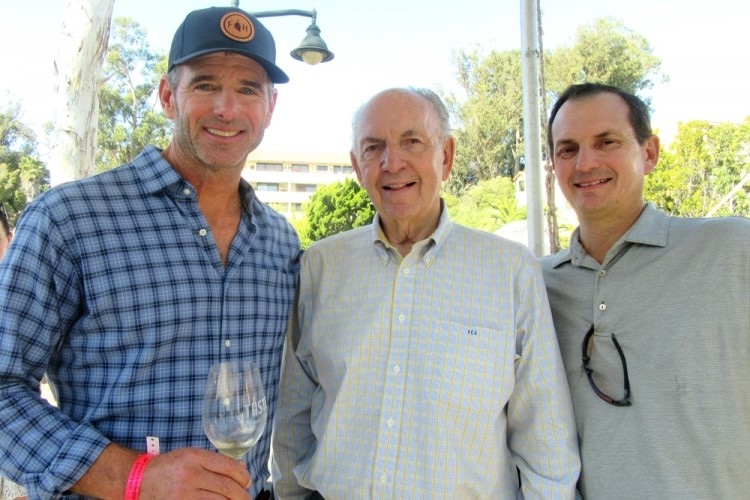
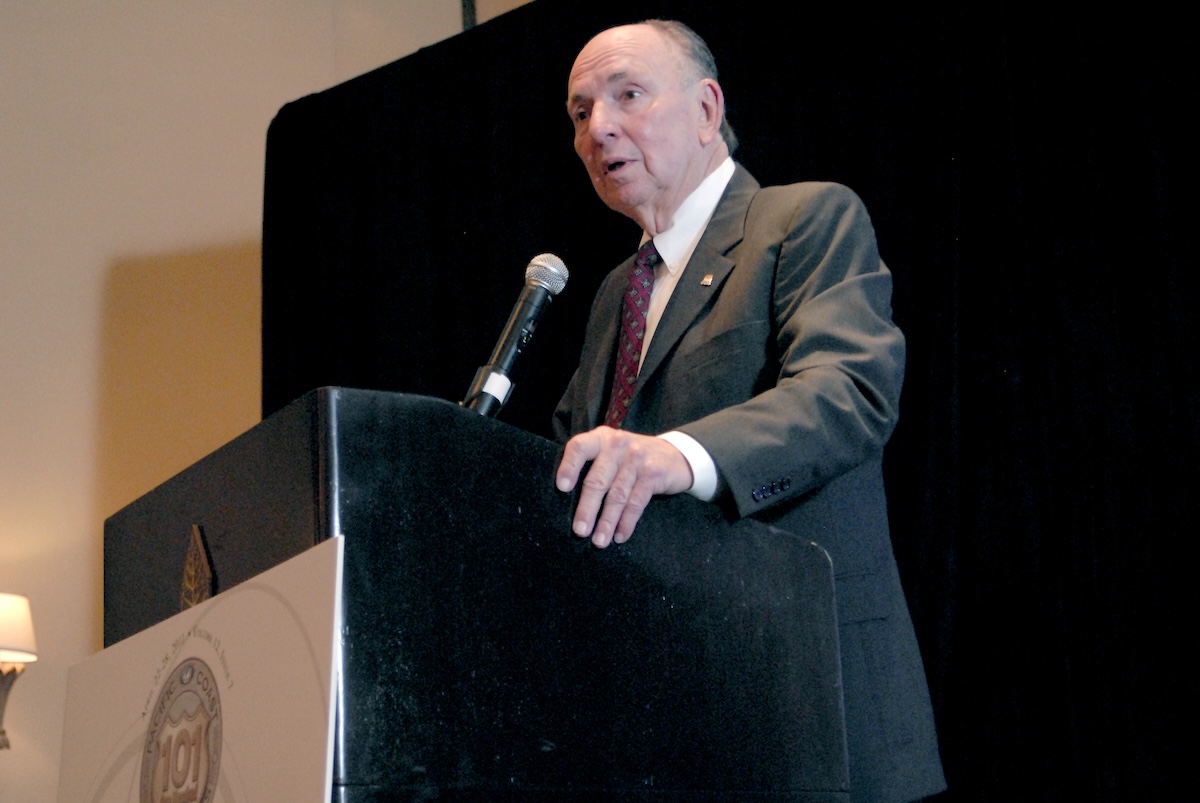
“There is no Pete without Gerd and no Gerd without Pete. They give each other life,” says Sharon Jordano.
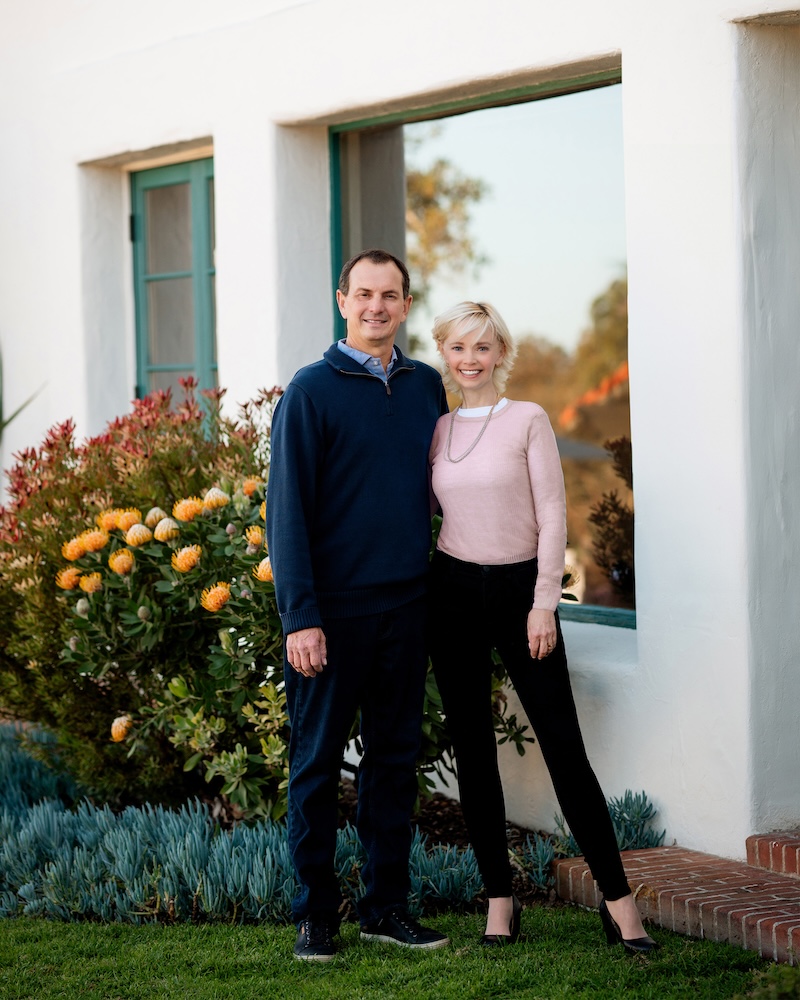
As for the subject of this story, 90 years is a wholesome slice of living, loving, and connecting – a memory palace whose halls, we can imagine, Pete roams with some regularity. Yes, Pete was once a kid – swimming through the minutes, scraping under fences, throttling up the Pontiac.
At 90, the comet tail of memory is filigreed and deep, even as Pete continues to navigate the streets he’s known forever, calling on customers, meeting dear friends, surprising kitchen staff and cracking wise. It’s been glorious, complicated, tangled; an avalanche of being and doing. Backward glances tether the man to the kid.
“It was a work ethic that I was taught, and that to me was good,” Pete says. “I was a really shy kid, and I worked my ass off. One of my jobs was to scrub the wooden floors every New Year’s Eve.” He pauses and his eyes cloud. “What did New Year’s Eve mean to me?”
“Scrubbing floors?” I offer.
“Yes! Scrubbing floors! I didn’t know till college that the rest of the world spent that evening celebrating!” Pete goes quiet and smiles with sudden warmth. “Just think how lucky I was.”
You might also be interested in...




You must be logged in to post a comment.