
The Road to Recovery on Santa Rosa Island
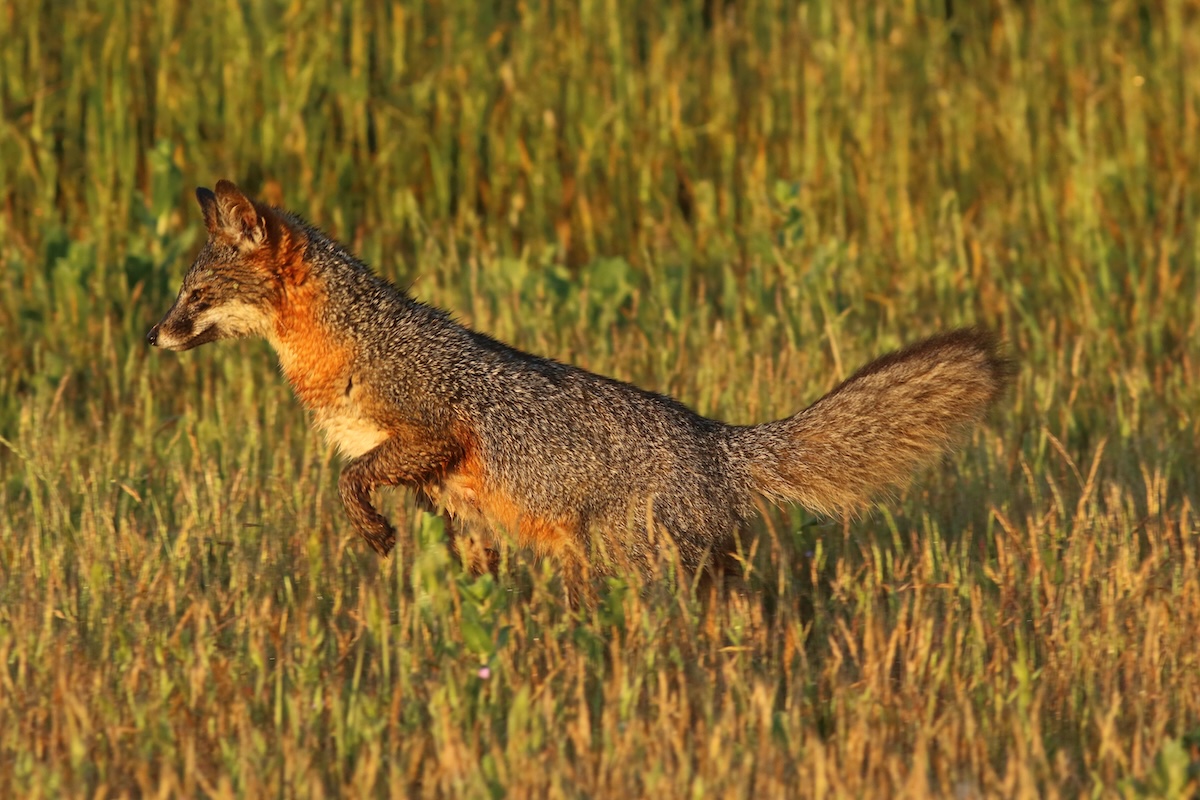
It’s been difficult to look at, but the scorched southeast end of Santa Rosa Island is now in restoration mode. After the human-caused wildfire began on the afternoon of May 15, 2026, and was fully contained on June 4, 2026, it will require all hands-on deck to return a natural balance to the windswept isle.
The fire burned 18,379 acres, a third of the rugged island. However, even as it burned, biologists rallied around this second largest island off the Santa Barbara coastline, preparing for the long game of recovery.
“We’re prioritizing human safety, protection of rare species and cultural sites, prevention of invasive species, and restoration of critical infrastructure,” said Dave Mazurkiewicz, a wildlife biologist for the Channel Islands National Park (CINP) and the lead in recovery efforts on Santa Rosa Island. “These actions are essential to support the island’s recovery and ensure the long-term protection of its unique natural and cultural resources.”
The Race Against Erosion
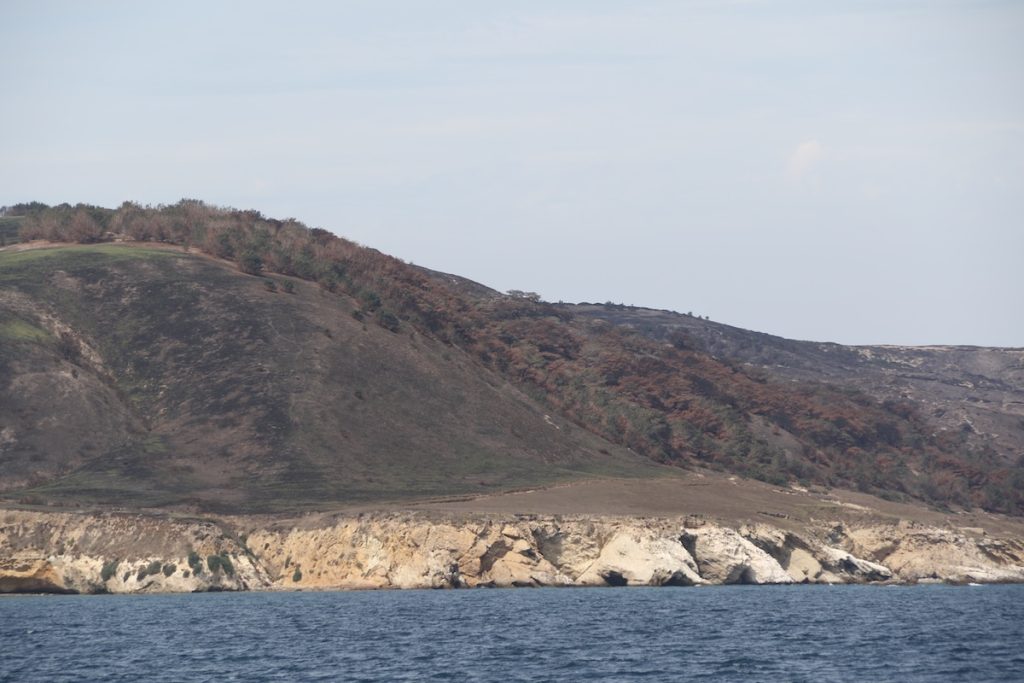
The Torrey pines burn area
The wildfire on Santa Rosa Island is the largest blaze ever recorded on California’s eight Channel Islands. Now, with an impending threat of an El Niño winter looming on the horizon, there’s a great sense of urgency to shore up soils and curtail erosion in critical Torrey pine and manzanita habitats.
Currently, post-fire surveys are underway on Santa Rosa Island with support from partners such as Santa Barbara Botanic Garden, California Institute of Environmental Studies (CIES) and CINP. They are hoping to have the Torrey pine grove remapped by the end of this fall, and ahead of winter, so they can accurately speak of tree mortality in the grove over time.
“There has been seed release from the pines post-fire, as well as significant needle cast from the affected pines,” said Mazurkiewicz. “Additionally, many burned trees are now showing signs of sap production and some growth as well, whereas in the initial rapid assessment post-fire, this was not the case. The true impacts will take some time (1-2 years) to fully assess, given the varying burn severity and limited knowledge of fire response with this species due to its rarity and small population size, being restricted to just Santa Rosa Island and San Diego.”
Rapid Response
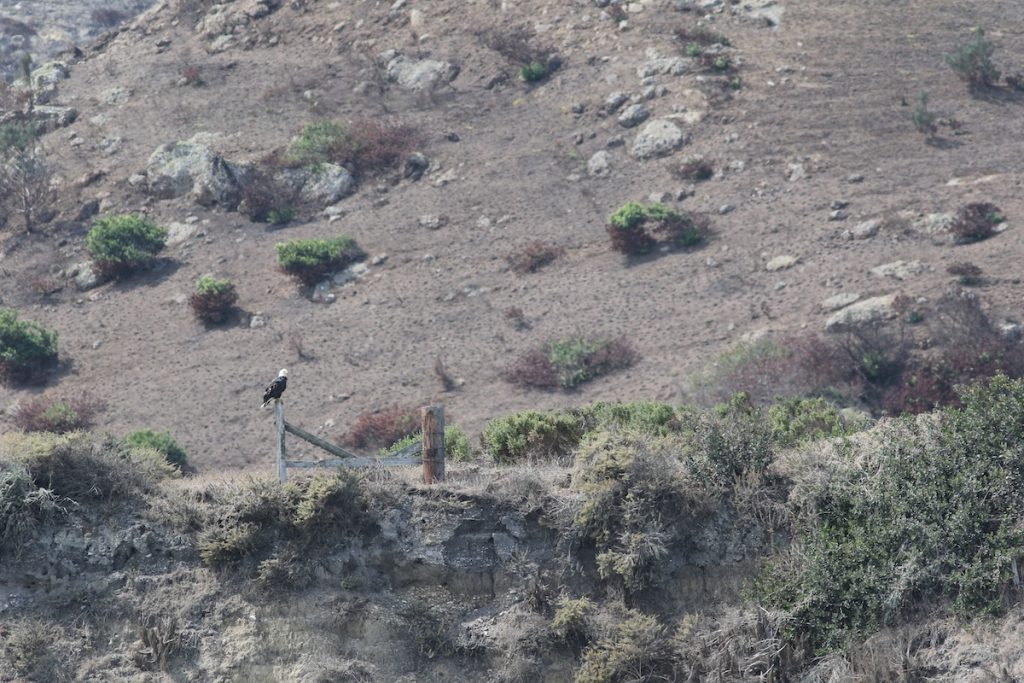
Henry has been spotted on a new perch, unfortunately his eaglet was lost
As the Island Packer ferry cruised by the long gritty finger of Skunk Point and into idyllic Bechers Bay, the damage to the Torrey pine forest was glaring. There was some green still visible amongst the charred grove, but for the most part the majority of the pines were impacted by the fire. Still, Torrey pines are resilient, and impacted trees are already showing signs of rejuvenation.
“The fire heavily impacted 60-80% of the grove, but there are some outlying trees that were unaffected and some with lower burn severity,” said Mazurkiewicz. “The Santa Rosa Fire provides an opportunity to increase the knowledge base of fire response in this species.”
To reach the Torrey pine forest and other species of special concern, the infrastructure surrounding the southeast end of the island has required attention.
“We’ve had to inspect, clean, and repair critical roads, culverts, and trails to maintain safe access for emergency response and future public use,” he said.
Saving the Island’s Natural Wonders
“The looming El Niño forecast provides a significant sense of urgency to post-fire stabilization and recovery,” said Mazurkiewicz. “Natural resource and cultural surveys, as well as key needs for infrastructure and public safety, have been happening.”
Monitoring and stabilizing exposed archaeological and cultural sites at risk from erosion and increased visibility post-fire are being recognized. Continued consultation and collaboration with affiliated Tribes are also a priority for preserving these significant sites.
Located on the high central ridges of the island, the exposed Cloud Forest mostly survived the fire. Cattle were removed from Santa Rosa Island in 1998, but their impact was severe within island oak groves and Bishop pine forests. Erosion left a lot of the trees’ root systems exposed, the systems thus resembling the roots of mangroves. However, shoring up soil and planting native trees has been ongoing.
“The Cloud Forest was minimally impacted except for the toe slope of one of the groves, where a recent out-planted area experienced fire impacts,” said Mazurkiewicz. “A total of 200 plants from the restoration effort experienced low severity burn and some loss to fog collection and watering infrastructure. The Cloud Forest and restoration areas associated with it are intact.”
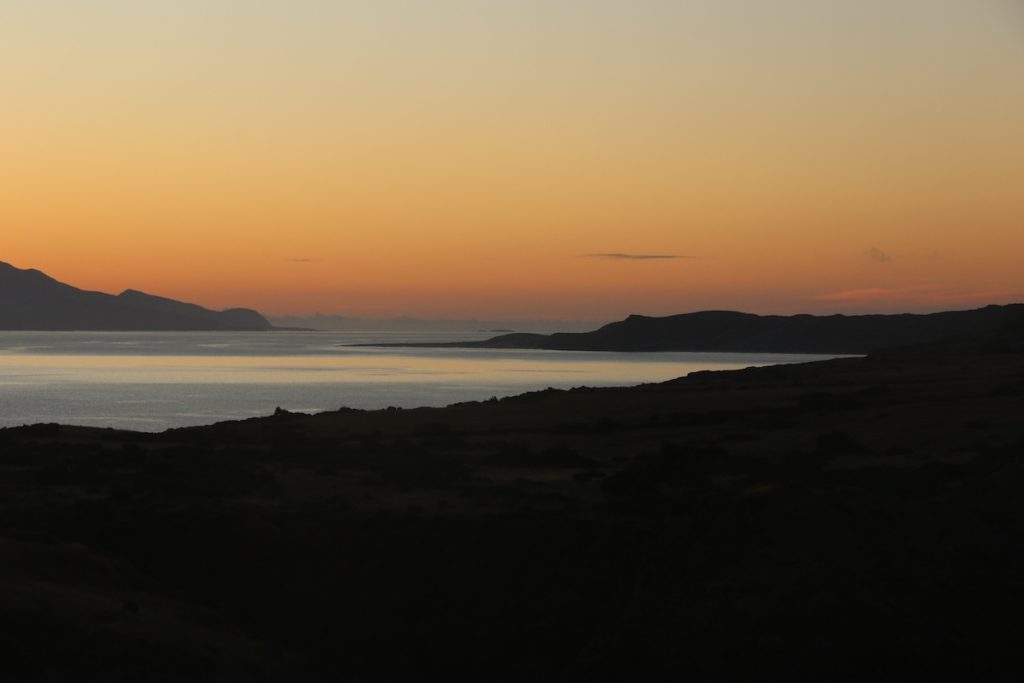
Recovery and new growth is underway on Santa Rosa Island
Population grids of island foxes have been ongoing. Thus far, there have been no carcasses reported within the burn area surveys. All collared island foxes survived the blaze. Still, the fire took place when island foxes were pupping, and it’s difficult to imagine newborns outrunning a wildfire.
Additionally, bald eagles were affected by the blaze. A nest on the southeast end of the island burned and an eaglet near East Point did not make it. A02, a.k.a. Henry, was the father of that eaglet. He’s been seen perched along the bluffs below the Torrey pine forest overlooking Bechers Bay. Whether he returns to his former territory or seeks out a new one remains to be seen.
Following the burn, biologists have been identifying any invasive plant species before they get a foothold in the unique island biome. For decades, non-native plant species have been an ongoing challenge across the entire national park. Getting a jump on invasives in the burn area on Santa Rosa Island before winter rains arrive will only enhance restoration efforts.
However, there’s some good news on the post-fire front. The campground and its 15 campsites will reopen for visitation by mid-October. The surrounding area burned, but the campsites and bathroom facilities mostly survived.
“Urgency is the word of the day, month, entire summer and the next year, where emergency response to the fire is being undertaken,” explained Mazurkiewicz. “Natural resource and cultural surveys, as well as key needs for infrastructure and public safety, have been happening.”
You might also be interested in...




You must be logged in to post a comment.