
Artists of the Meridian Studios: A-C Redux
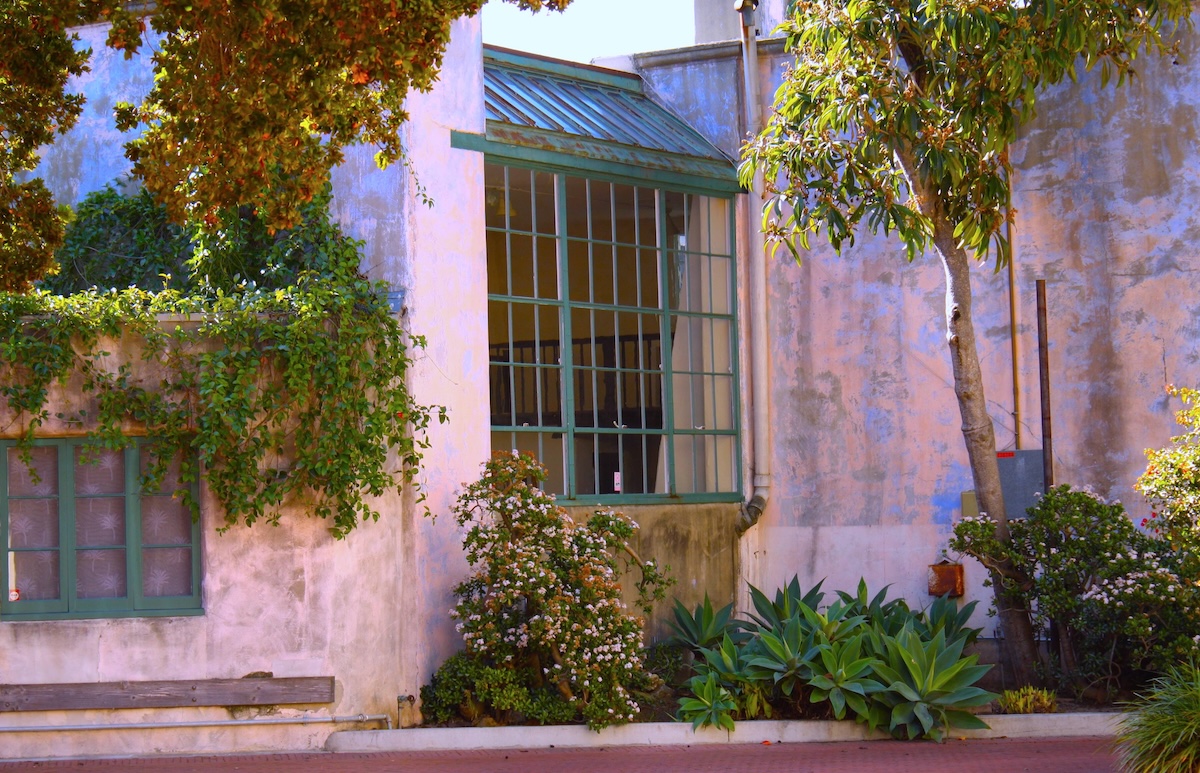
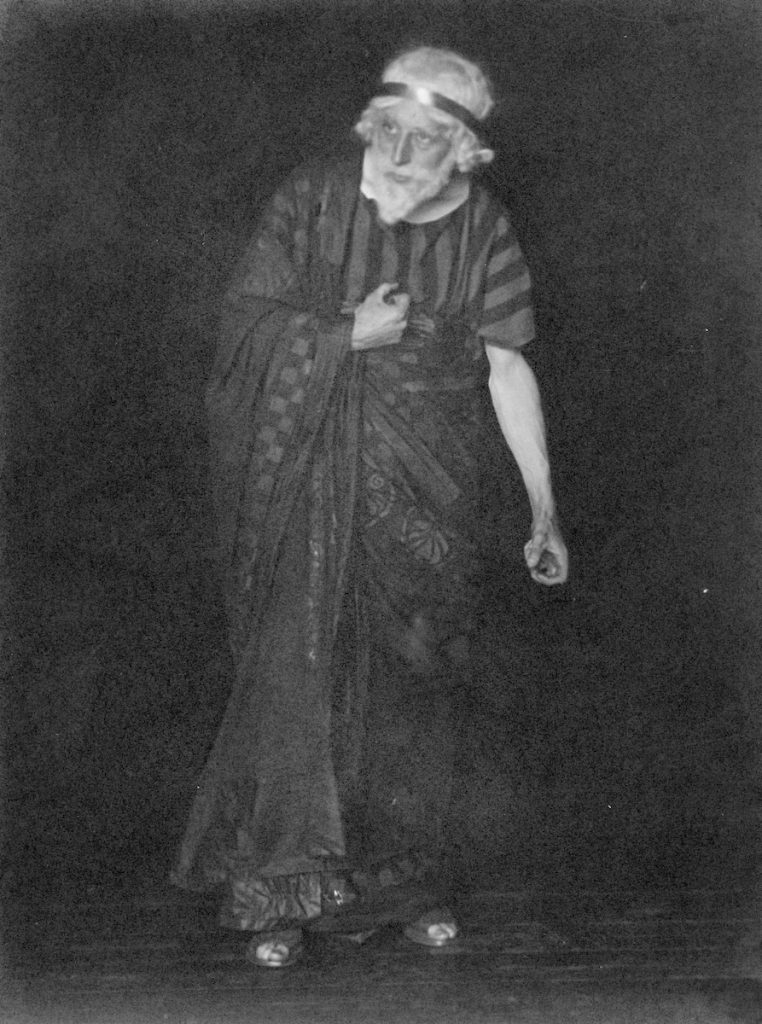
Designed by George Washington Smith and Carleton Monroe Winslow in 1922-23 and 1925 respectively, the Meridian Studios campus on De la Guerra Street has seen more than its share of renowned artists. It is no wonder that artists were drawn to the complex. Not only was the architecture and concept appealing (north facing studios combined with living quarters), but “meridian” signifies the point of highest development, the peak or zenith of the profession. Between 1922-23 and 1977, more than nineteen artists lived and/or worked at the Meridian Studios as they strove to reach the apex of their careers.
Hartwell James Ayles (1898-1975) lived and worked at the Meridian Studios from 1925-1927. Not much has been written about Ayles and perhaps he is one of those artists whose work has become obscured by time. He taught at Santa Barbara School of the Arts in late 1920s and exhibited at the Santa Barbara Art League in 1929 and at the Bartlett Gallery in Los Angeles in 1931. He and his wife were active with the Community Arts drama branch for which he built and painted scenery and props as well as advertising posters. (Sources: Edan Hughes’ Artists in California, 1786-1940; Ancestry.com, contemporary newspapers)
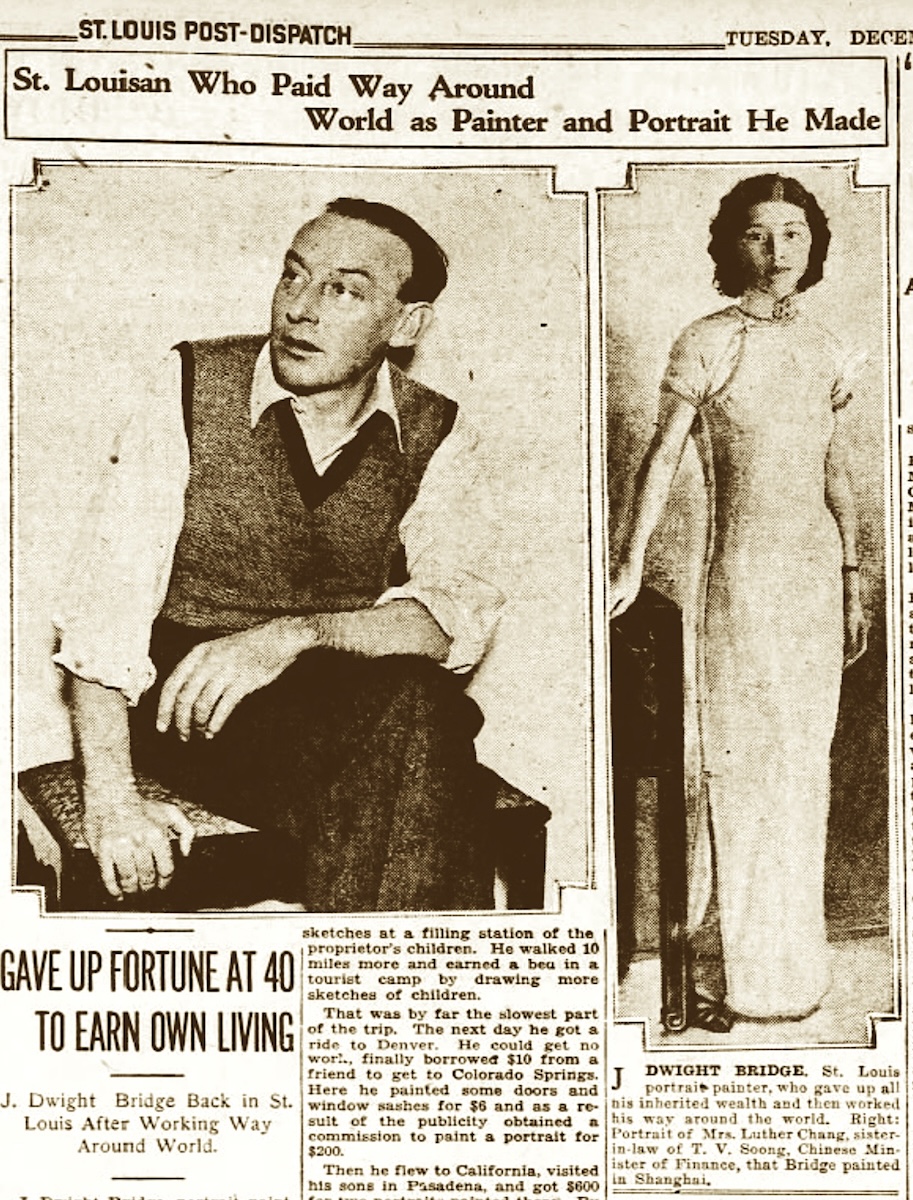
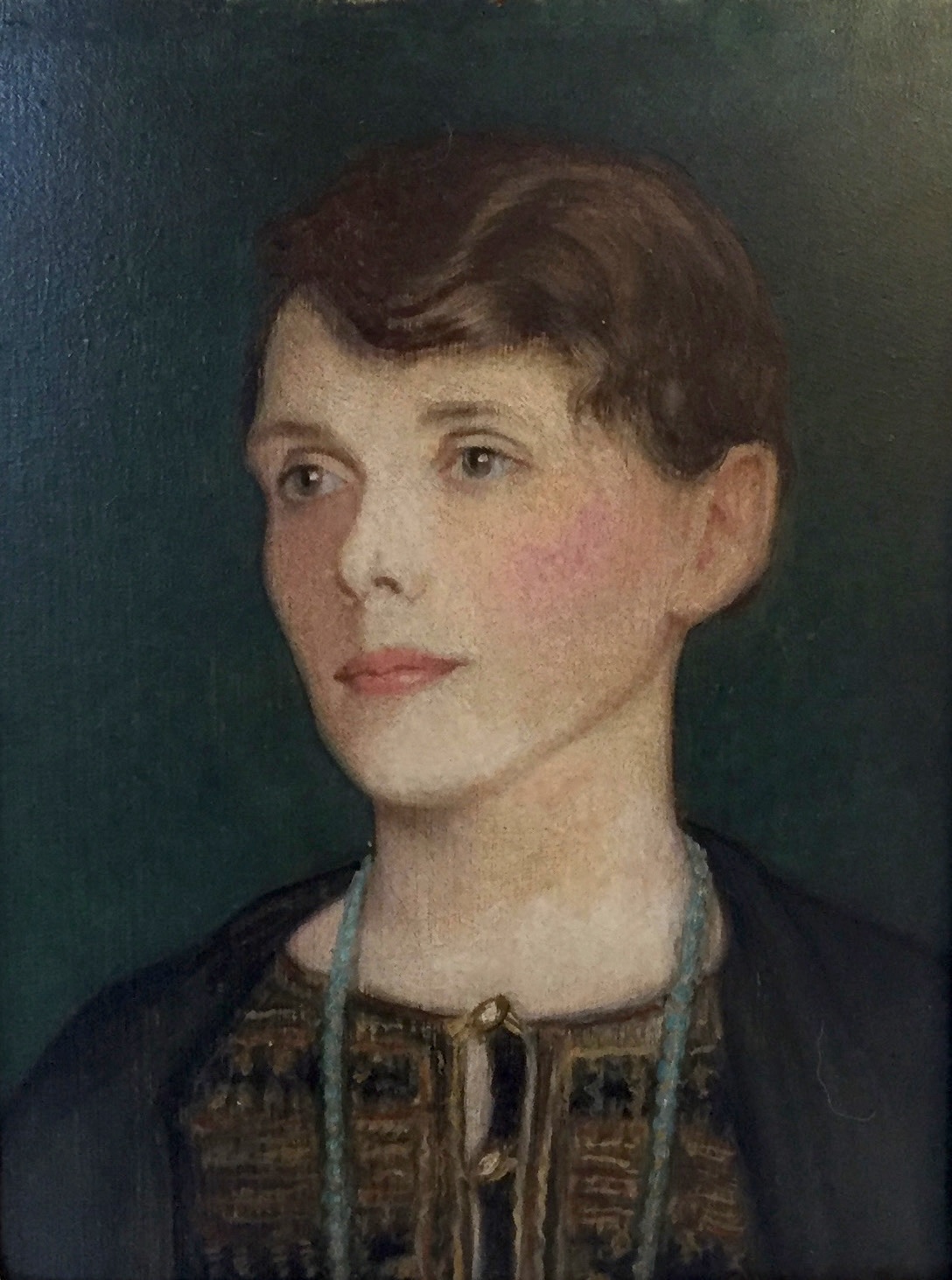
J. Dwight Bridge (1893-1974) was born in St. Louis, Missouri, and became a pupil of Albert Herter at the Art Students League in New York. In 1920, he was in Santa Barbara working out of various studios and renting various homes with his wife Caroline – Albert Herter’s (former) daughter-in-law, and widow of Bridge’s best friend and Albert’s son, Everit Herter. In 1922/23, Bridge and Caroline became the first to rent a studio at the Meridian. He also became involved with the fledgling Community Arts Association drama branch both as a set designer, poster designer, and actor.
In 1933, Bridge had an existential crisis and left his family and fortune to tramp around the world. He became known as the hobo artist because he painted portraits to earn money as he hiked and hitchhiked ever westward. (Sources: Art and Artists in Southern California; Ancestry.com, contemporary news articles)
Ettore Cadorin (1876-1952) was born in Venice, Italy. The pursuit of art was in his blood for all male members of his family since the doges had been artists. His father was a sculptor of wooden statues, and his brother was a painter. Cadorin created numerous funerary monuments in Europe, and, when still a young man, he sculpted two large marble statues for the Royal Palace on Piazza San Marco in Venice.
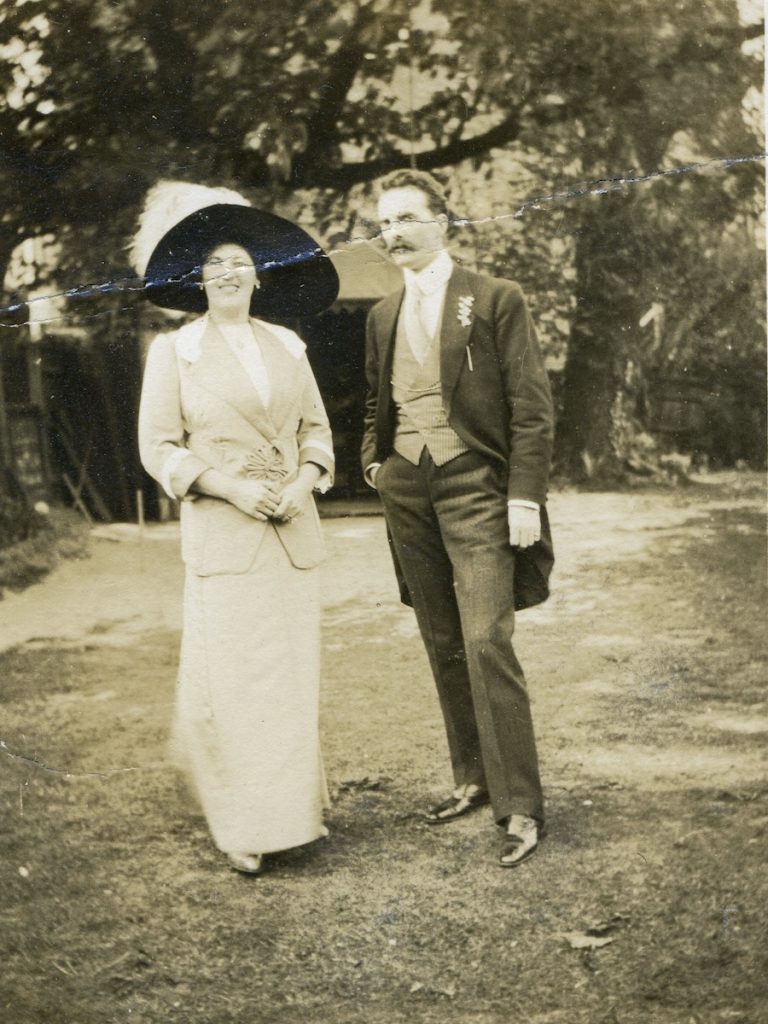
At the request of the Italian government, Cadorin went to New York City in 1915 to lecture on methods used to protect works of art from bombardment. He also lectured on Italian Art at Columbia University for two years and exhibited his own work.
In the 1920s, he moved to Santa Barbara to teach drawing and sculpture at Santa Barbara State Teachers College. He took a studio at the Meridian from 1924-26. During this time, he created a memorial named Resignation at the Santa Barbara Cemetery for the Walter Cobb family as well as a marble Irish Cross for the Clark family.
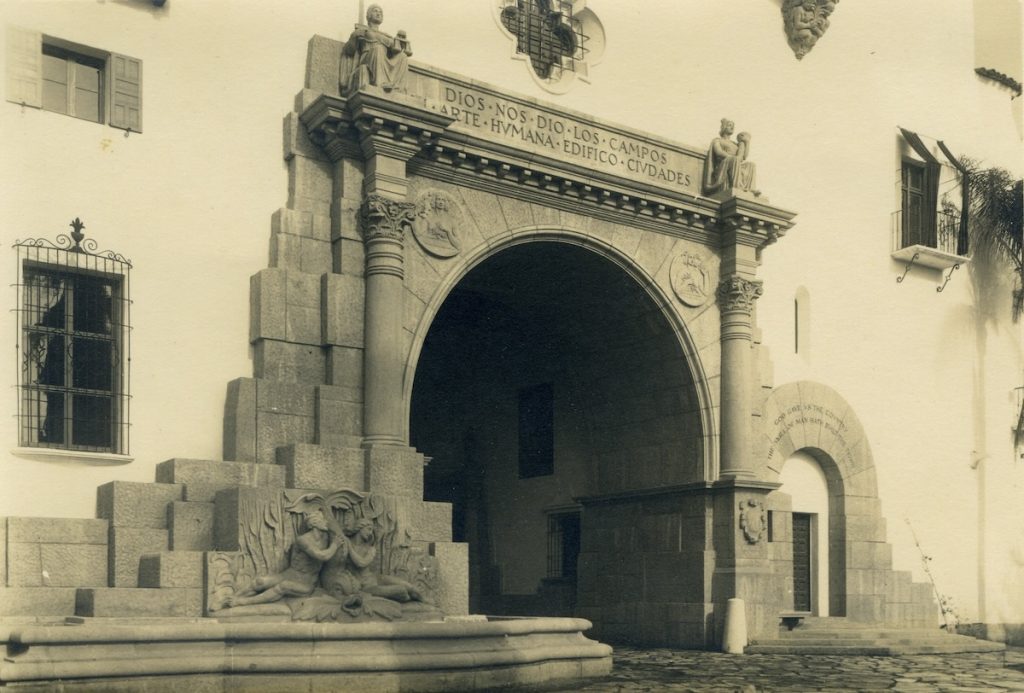
In 1926, he was commissioned to create sculptures for the post-earthquake County Courthouse. He advertised for models for the Spirit of the Ocean fountain and 400 people applied. The two he selected were sister and brother, Maya and Wolfram Sexauer, 16 and 14 years old respectively. They posed nude, individually, for three hours a day, three days a week, for six months. They accepted 50 cents an hour for the work until their mother learned that Cadorin was being paid $5,000. Labor negotiations ensued, and the mother and Cadorin settled on 75 cents an hour.
Cadorin also sculpted the statues of Justitia and Ceres above the archway of the Court House and the large medallions depicting Agriculture and Industry. In 1930, Cadorin created a bronze sculpture of Padre Serra for the Capitol Building in Washington, D.C. In the 1940s, he and his wife moved to San Francisco. (Sources: Wikipedia; Ask Art; www.decomposingsb.com/?p=363; Art and Artists in Southern California, Artists of the American West)
Huguette Marcelle Clark (1906-2011) was the daughter of the infamous William Andrews Clark (1839-1925), copper baron and former senator from Montana who purchased an estate called Bellosguardo in Santa Barbara in 1923. W.A. Clark was a great patron of the arts and his mansion in New York was a virtual art museum. No wonder then, that his daughter Huguette was offered painting lessons in her teens. Her instructor was the popular Czech-Polish artist, Tadeusz Styka (Tadé), who also painted several portraits of the Clarks.
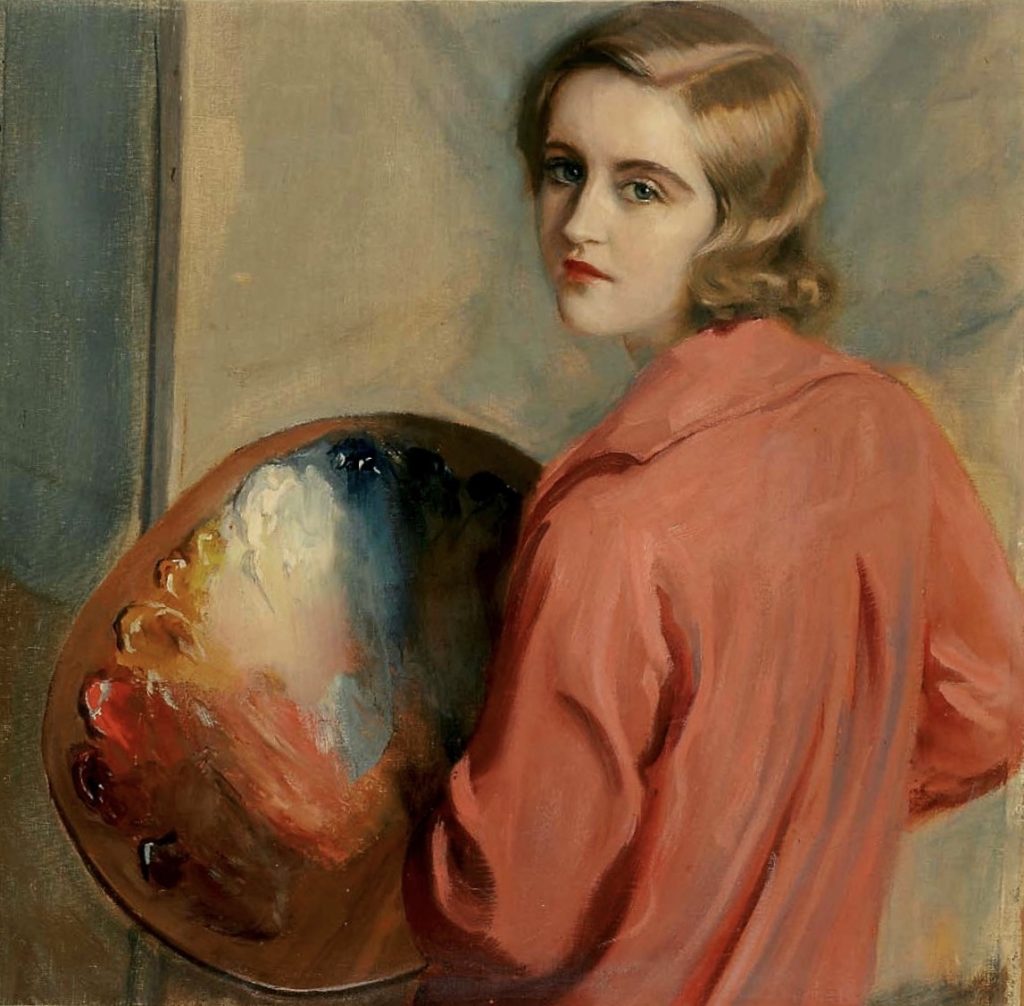
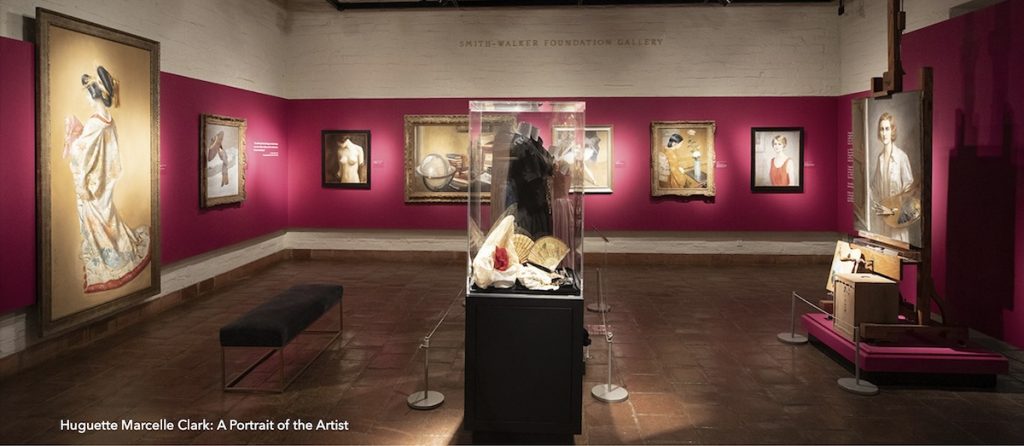
As an artist, Huguette embraced painting Impressionistic views of Japanese subjects, especially geishas in intricately patterned robes and ornamental headdresses. Japonisme being popular at the time, she collected books on Japanese culture as well as actual kimonos, brocaded silks, and other accessories. Not confined to just this one subject for her work in oils, she also painted self-portraits and cityscapes. In 1929, the Corcoran Art Gallery in Washington, D.C., which had become a beneficiary of W.A. Clark’s art collection, exhibited six of Huguette’s paintings to favorable reviews.
In 1933, her widowed mother, Anna LaChapelle Clark, tore down the old Bellosguardo and commissioned the construction of a new one. Unable to paint at home, Huguette opened a studio at the Meridian for the years 1933-35.
In her later years, Huguette continued her interest in art and owned the works of many of the world’s masters. When she died at age 104, her will became the object of an acrimonious lawsuit. Today, the Bellosguardo Foundation has stewardship of the estate and offers tours and programs. (Sources: Montecito Journal magazine, “Moguls and Mansions: William A. Clark” by Hattie Beresford; Empty Mansions by Bill Dedman and Paul Clark Newell, Jr.; city directories)
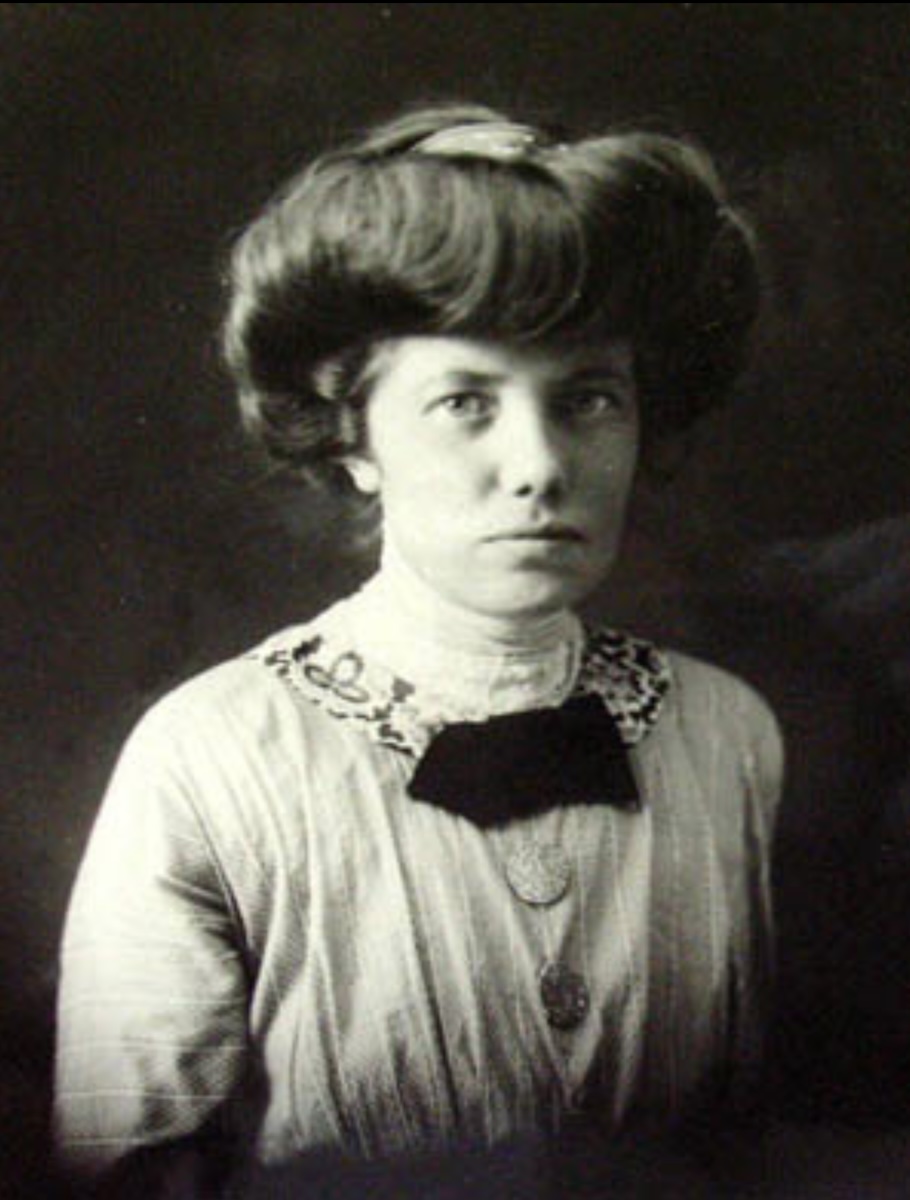
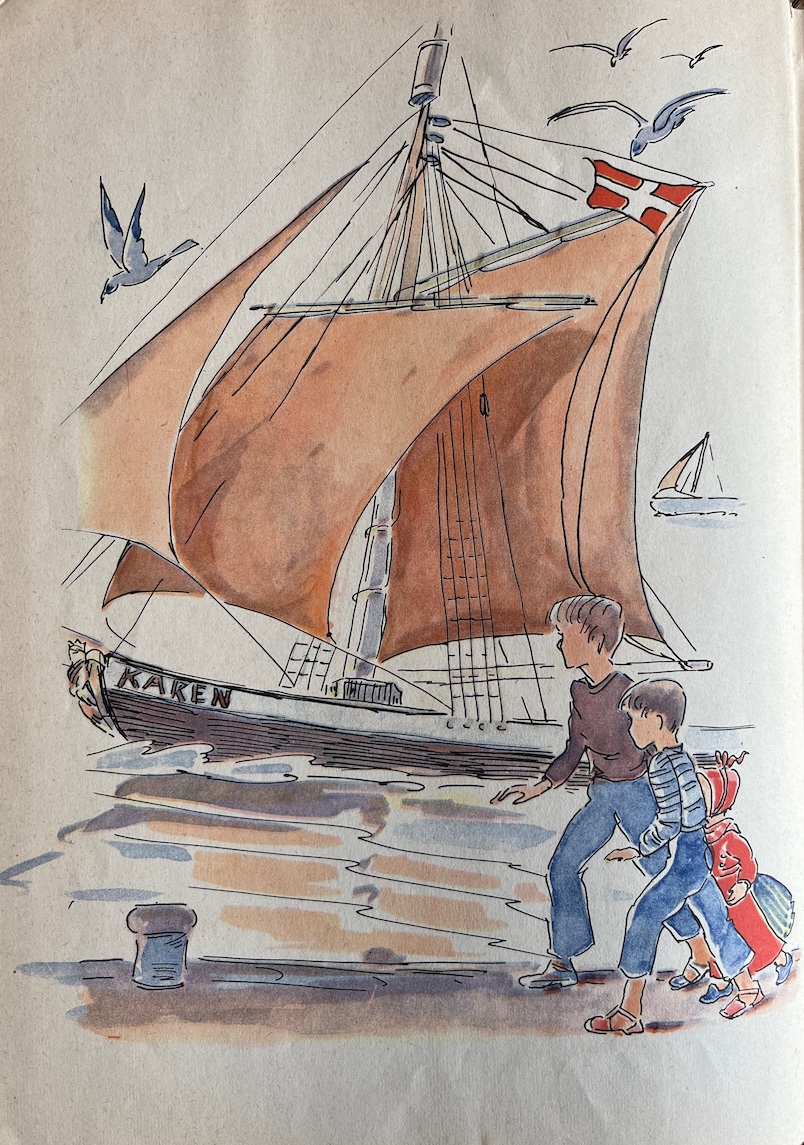
Hedvig Collin (1880 to 1964) was a Danish portrait and landscape painter as well as illustrator of Scandinavian fairytales. The most famous of these was her book entitled East of the Sun and West of the Moon, which she penned and illustrated. She was on a tour of the United States when WWII broke out in Europe, and she was unable to return. In the dedication, of Wind Island, which was finished and published in Santa Barbara, she explains her situation.
“This little book reminds me of the days when Denmark was invaded. I was at that time a guest in the mountains of California. On my way back to the ocean which separated me from home, I passed Santa Fe. There a real American girl opened her home for me so that I could overcome my confused thoughts in peace and plan my future. Later I wrote this book in this girl’s beautiful ranch home, I thank you, Faith Wait.” Collins had a studio at the Meridian during the war years of 1944/45. (Sources: various internet sites, city directories)
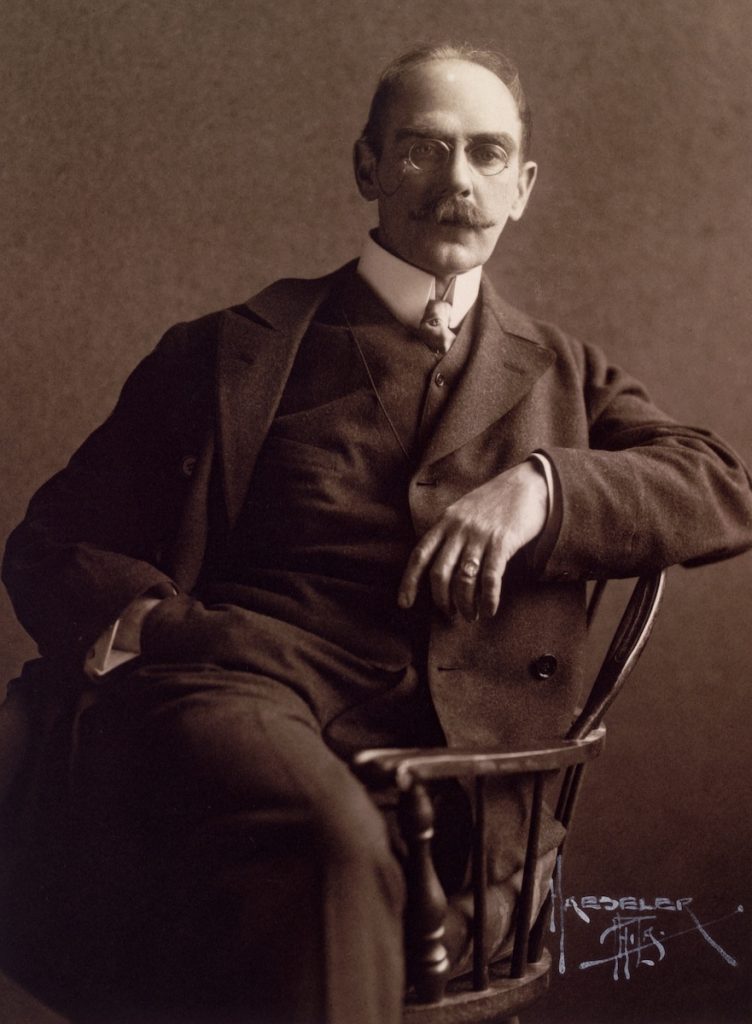
Collin Campbell Cooper (1856-1937) was born in Philadelphia, Pennsylvania, in 1856. At a visit to the fine art gallery at the Centennial Exposition at Philadelphia, he first realized a desire to paint. He enrolled in the Pennsylvania Academy of Fine Arts, and in 1886 he took his first trip abroad, making studies of the cities and landscapes of Holland and Belgium and sketching the dykes.
After four years painting and studying abroad, he returned to the United States and was, as he says in his autobiography, “struck by the artistic possibilities of our American streets and great skyscrapers and the crowding traffic.” His impressionistic work on these themes earned him great critical acclaim.
In 1915, Cooper submitted six paintings to the Panama-Pacific International Exposition in San Francisco for which he won a gold medal for oil painting and a silver medal for watercolor. Cooper and his wife Emma traveled to California to visit the Exposition, and entranced by the domed Palace of Fine Arts, Cooper proceeded to paint several views of it. The Coopers then traveled throughout California, painting cityscapes and towering mountains.
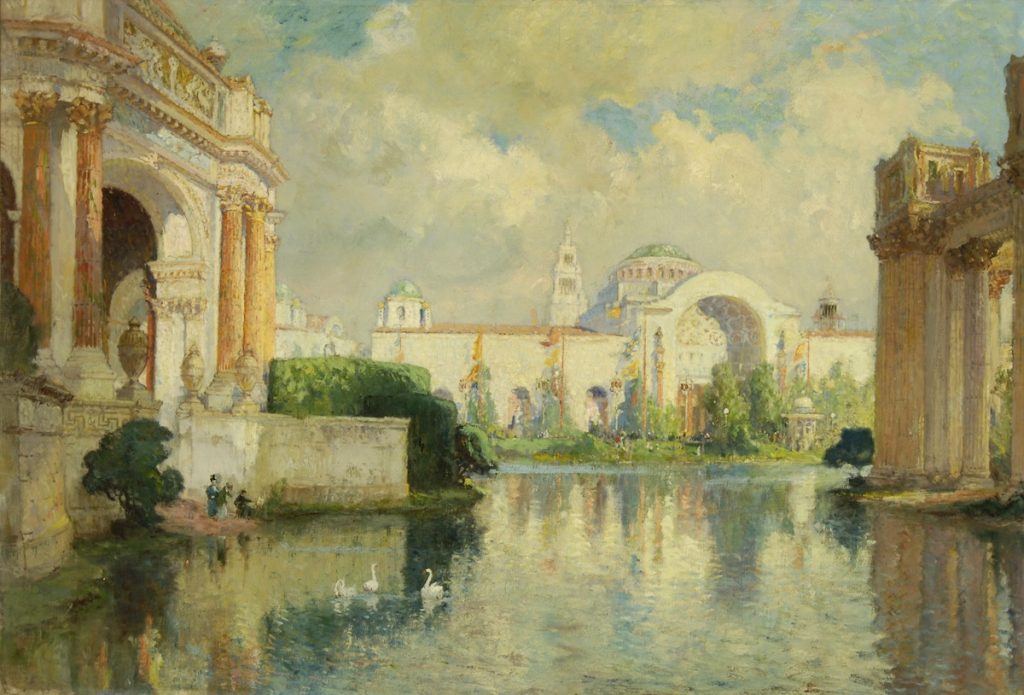
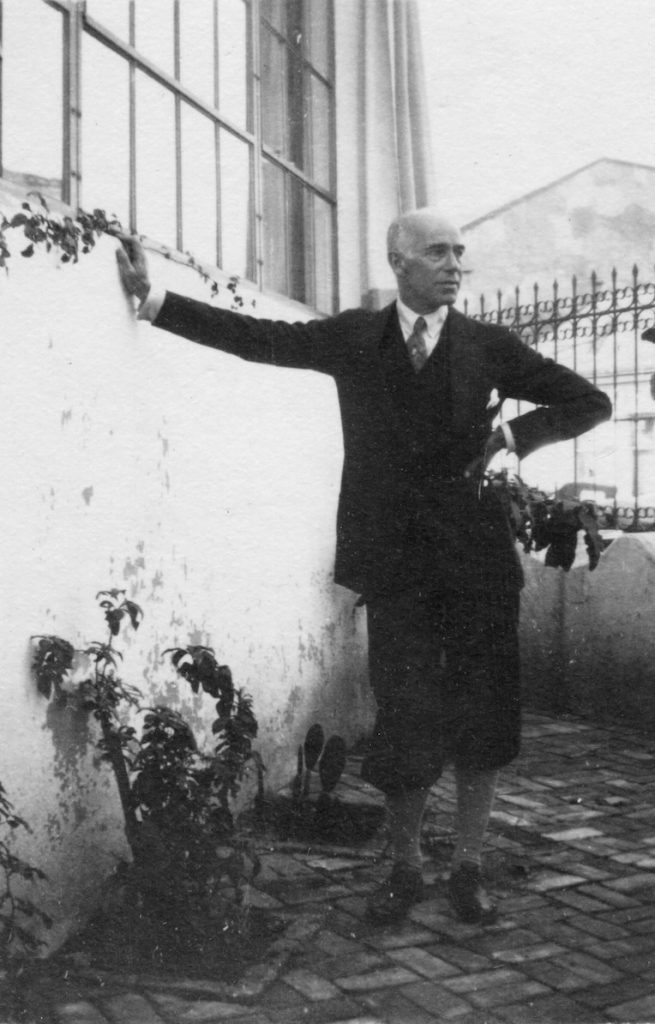
When his wife died in 1920, Cooper made the decision to move to Santa Barbara where he taught at the Santa Barbara School of the Arts while continuing to travel to the East and to Europe. In 1924, he established a studio in the Meridian Studios, which he maintained until 1937. His neighbor, wealthy Montecitan David Gray, had an office in the adjoining studio and became a friend and great patron of his work. Gray hung a collection of Cooper’s paintings in the new Cabrillo Pavilion, which Gray had built, operated, and donated to the City of Santa Barbara in 1927.
Cooper once claimed that the greatest compliment he had ever been paid was when a man at an exhibition of his paintings approached him and said that Cooper had made him see the familiar cityscape of New York in a completely different way. To see the world through Cooper’s eyes, Santa Barbarans need go no farther than Santa Barbara City Hall where the paintings that once adorned the walls of the Cabrillo Pavilion now hang.
(Sources: Cooper autobiography in “name file” at the Gledhill Library of the Santa Barbara Historical Museum; Deborah Epstein Solon’s “California and Beyond” in Lasting Impressions: Colin Campbell Cooper, the 2010 exhibition catalog of the Santa Barbara Historical Museum; Art and Artists of Southern California.)
Note: This article was first published in January 2014. It has been updated and photos added. The Meridian “alphabet” will continue in subsequent editions.
You might also be interested in...




You must be logged in to post a comment.