
‘The Willard Suitcases:’ The Things We Carry
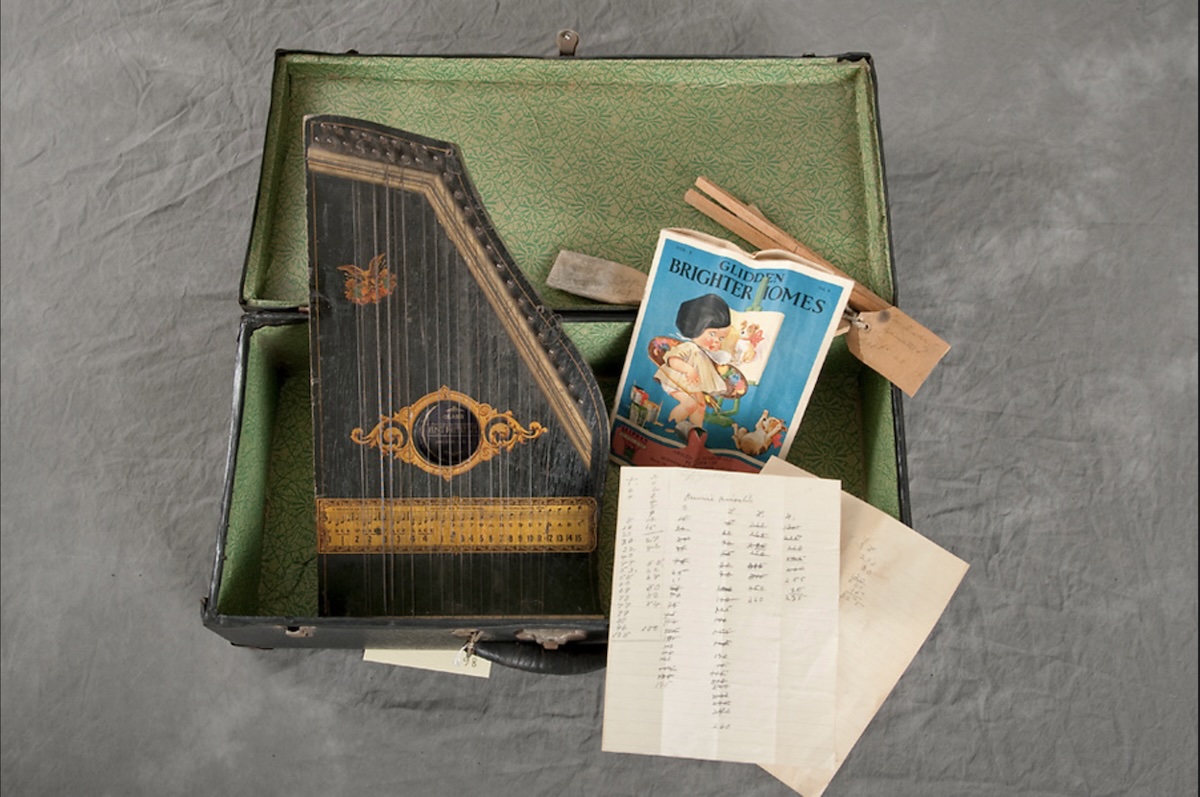
A suitcase can tell you quite a lot about a person. Where they have been. What they value. Whether they pack sensibly or believe three pairs of shoes are entirely reasonable for a weekend away.
Some suitcases, however, carry considerably heavier baggage.
In 1995, more than 400 suitcases were discovered in the attic of the Willard Psychiatric Center in upstate New York. Their owners had spent much of their lives institutionalized, and the contents offered an extraordinary glimpse into the people they had been before and during their years at Willard.
Photographer Jon Crispin would spend six years documenting these forgotten belongings, finding entire lives tucked among the clothing, photographs, letters, and everyday objects.
This November, those lives will find a new audience in Santa Barbara when The Willard Suitcases comes to Art & Soul Gallery as part of New Beginnings’ 2026 Annual Benefit Gala programming.
An Eye for the Abandoned
Crispin has spent much of his professional life photographing what other people have left behind. A longtime freelance photographer, he built his career shooting assignments for newspapers, magazines, Cornell University, and Ithaca College. Sports, theater, lectures, whatever needed documenting. The work paid the bills and allowed him to pursue his own photographic curiosities.
Those curiosities often led him into abandoned buildings.
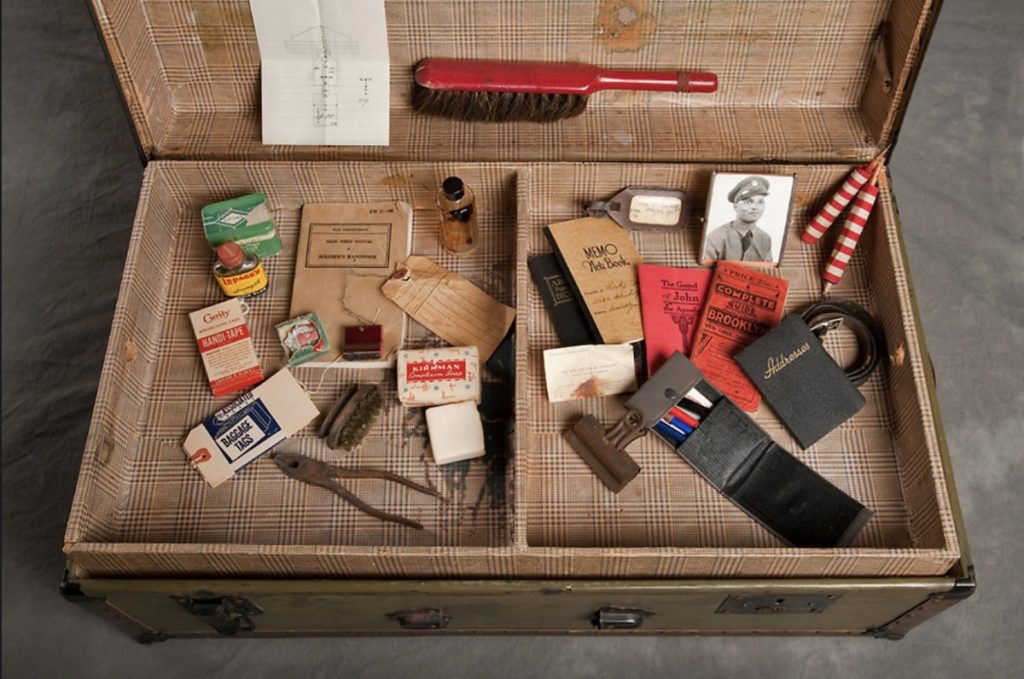
(photo by Jon Crispin)
As a child, Crispin was fascinated by empty structures and the peculiar human habit of constructing elaborate places, occupying them for decades, and then walking away. By the early 1980s, that fascination had developed into a photographic project documenting abandoned nineteenth-century buildings on the grounds of functioning New York psychiatric institutions.
One of the first was Willard.
The sprawling psychiatric center had opened in the 19th century and eventually developed into a substantial community of buildings, farms, and facilities. When Willard closed in 1995, a curator from the New York State Museum discovered an extraordinary collection of luggage in its attic.
More than 400 suitcases, left behind by people who had lived there.
The curator was advised to preserve perhaps ten and dispose of the rest. He had other plans. He secured a truck, brought the entire collection to Albany, and saved the cases from being discarded.
Museum staff then undertook the painstaking work of cataloging and preserving the contents. Nothing was considered too insignificant. Crispin remembers one toothpick carefully sealed in its own archival bag, complete with a catalog number.
A toothpick. Not exactly the sort of artifact that ordinarily earns museum treatment.
Yet that attention to detail would prove essential to understanding the collection.
Crispin first encountered some of the suitcases in a museum exhibition in the early 2000s. Years later, the curator offered him access to photograph the collection. Crispin spent an entire day working with a single case and immediately recognized that the undertaking would require considerably more time.
Two successful Kickstarter campaigns helped fund the work, supplemented by his freelance income. Over the next six years, he photographed each suitcase and their contents, creating an intimate record of people whose identities had largely been reduced to their time inside a psychiatric institution.
Personal Effects
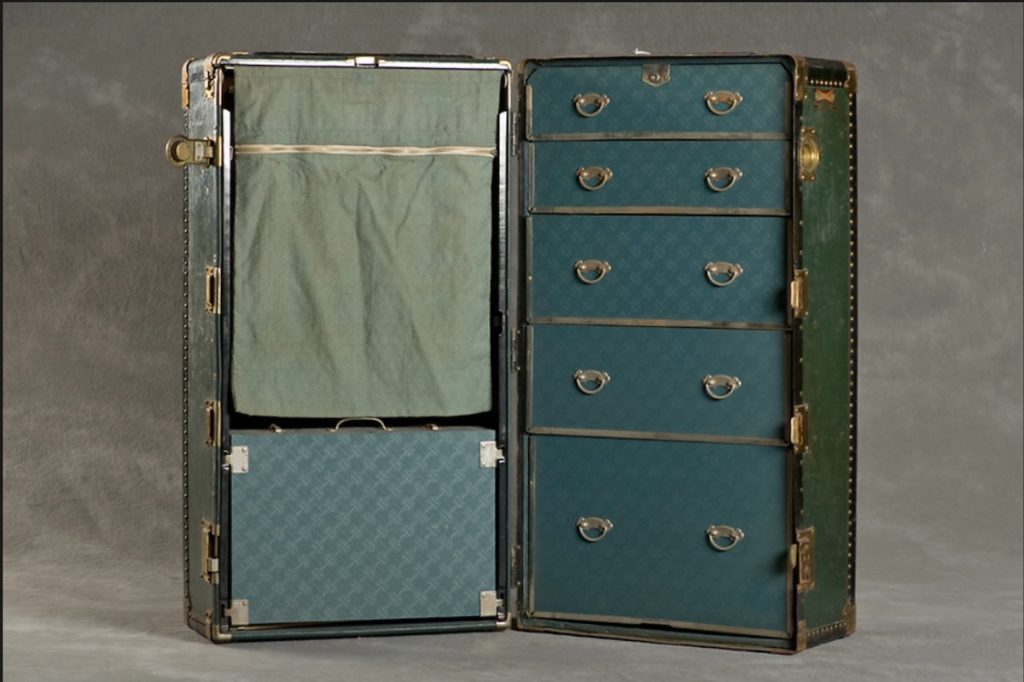
The earliest suitcases date to around 1910 or 1915, with others extending into the 1960s. Their contents provide a peculiar kind of autobiography, assembled without the owners ever intending to tell their stories to strangers.
There were postcards from distant places, letters, family photographs, cosmetics, clothing, and everyday household objects. Some suitcases were carefully packed. Others contained very little. Each offered a different set of clues about the person who had carried it.
Crispin has a particular affection for ephemera, those modest objects that capture a moment in time before slipping out of fashion or use.
One discovery nearly derailed his professional composure.
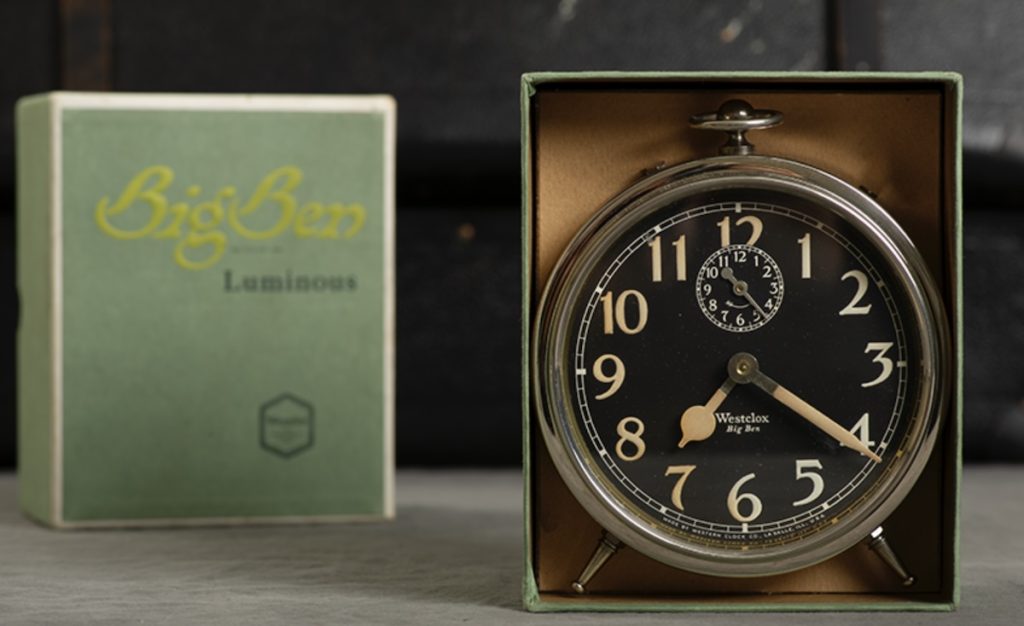
Among the possessions was a Westclox Big Ben metal alarm clock, still in its original box, with its little dials intact. It even worked.
Crispin found it irresistible.
“I spent way too much time photographing it,” he admits, before realizing that the purpose of the project was not to assemble a personal antique wish list.
Other discoveries were less amusing and considerably more affecting.
One resident had kept a diary documenting the ordinary business of daily life. Breakfast, cigarettes, walks along the railroad tracks, and trips to purchase newspapers that he would then resell. He was fascinated by railroads and had compiled an alphabetical list of railroad stations across the United States.
The entries offered something that official institutional records rarely provide. A sense of the daily routines, interests, and ambitions of an individual who happened to live at Willard.
Crispin is careful about how those lives are portrayed. While psychiatric institutions have a complicated history, including serious abuses and people who should never have been confined, he resists the temptation to characterize every experience as identical.
Some residents worked, traveled into nearby communities, and maintained interests beyond the institution. Many staff members cared deeply about the people living there.
The photographs offer no convenient verdict. They ask viewers to consider the individual people themselves.
Behind the Camera
One suitcase struck Crispin with particular force.
Its owner had been a photographer who also had epilepsy. He had previously lived at an institution serving people with developmental disabilities and epilepsy, where he was asked to take photographs. When he insisted on being paid for his work, he was transferred to Willard.
Among his possessions was his photographic equipment.
For Crispin, the connection was immediate and deeply personal. His own adult son has cerebral palsy, and earlier in his life had suffered epilepsy. Handling another photographer’s belongings brought the history of institutionalization uncomfortably close to home.
Here was someone with a familiar creative passion, someone who understood the value of his work and wanted to be compensated for it. Yet a medical condition had helped determine the course of his life.
Such encounters gradually changed Crispin’s understanding of mental illness and the people living with it. The objects made their owners difficult to dismiss as anonymous patients or historical statistics.
They had hobbies. They had opinions. They bought things they liked. They took photographs and saved postcards. They owned alarm clocks.
In other words, they were people.
That recognition has extended beyond the photographs. Crispin has heard from families searching for information about relatives who lived at Willard, and he has helped connect some with burial locations at the institution’s cemetery. The project has become a point of contact between families and histories that were often difficult to access.
He also hopes it encourages conversations about contemporary mental health care and the ways society responds to people who struggle.
“I put my photographs up on a wall, and I just hope it gets people talking about not only what was going on then but also what’s going on now, and how our society and culture deal with this issue of people who are, you know, struggling to fit in.”
Unpacking the Stories
The photographs have also inspired other artists to imagine the lives behind the luggage.
Composer Julianne Wick Davis created a musical song cycle based on the collection, first performed in 2019. A British choreographer developed a dance work exploring the experiences of several Willard residents.
Crispin welcomes these interpretations when they approach the material with respect. He is considerably less enthusiastic about attempts to sensationalize the institution through ghost stories and paranormal speculation.
There is enough humanity in the suitcases without inventing hauntings.
That humanity is what connects The Willard Suitcases to New Beginnings, the Santa Barbara nonprofit providing mental health counseling, housing assistance, and other services to community members in need.
The organization has incorporated Crispin’s exhibition into its 2026 annual benefit, using the arts to encourage understanding of mental health and the people affected by it. Although the benefit gala has sold out, the photographic exhibition at Art & Soul Gallery offers the public an opportunity to experience the project.
The gallery will host the exhibition November 4-8, with regular public hours Thursday through Sunday from noon to 5 pm. Sponsors will also attend a November 8 luncheon at The Grand on State, featuring musical selections from The Willard Suitcases. A full theatrical production is planned for fall 2027.
For Crispin, the artistic response to his photographs has been gratifying, particularly because the project was never intended as a vehicle for promoting himself.
The attention belongs to the people who packed those suitcases.
There is an interesting contradiction in photographing personal belongings. The objects are ordinary, often inexpensive, and sometimes nearly meaningless without their owners. Yet arranged together, they become unmistakably individual.
A camera, a diary, a postcard, an alarm clock. A toothpick worthy of its own archival bag.
Four hundred suitcases filled with the small evidence of lives lived.
And thanks to one curator with a truck and one photographer willing to spend six years unpacking this luggage, a few hundred stories that have not quite reached their final destination.
You might also be interested in...




You must be logged in to post a comment.