
Kabaretti’s 21 and Counting: The 3 C’s of the Symphony
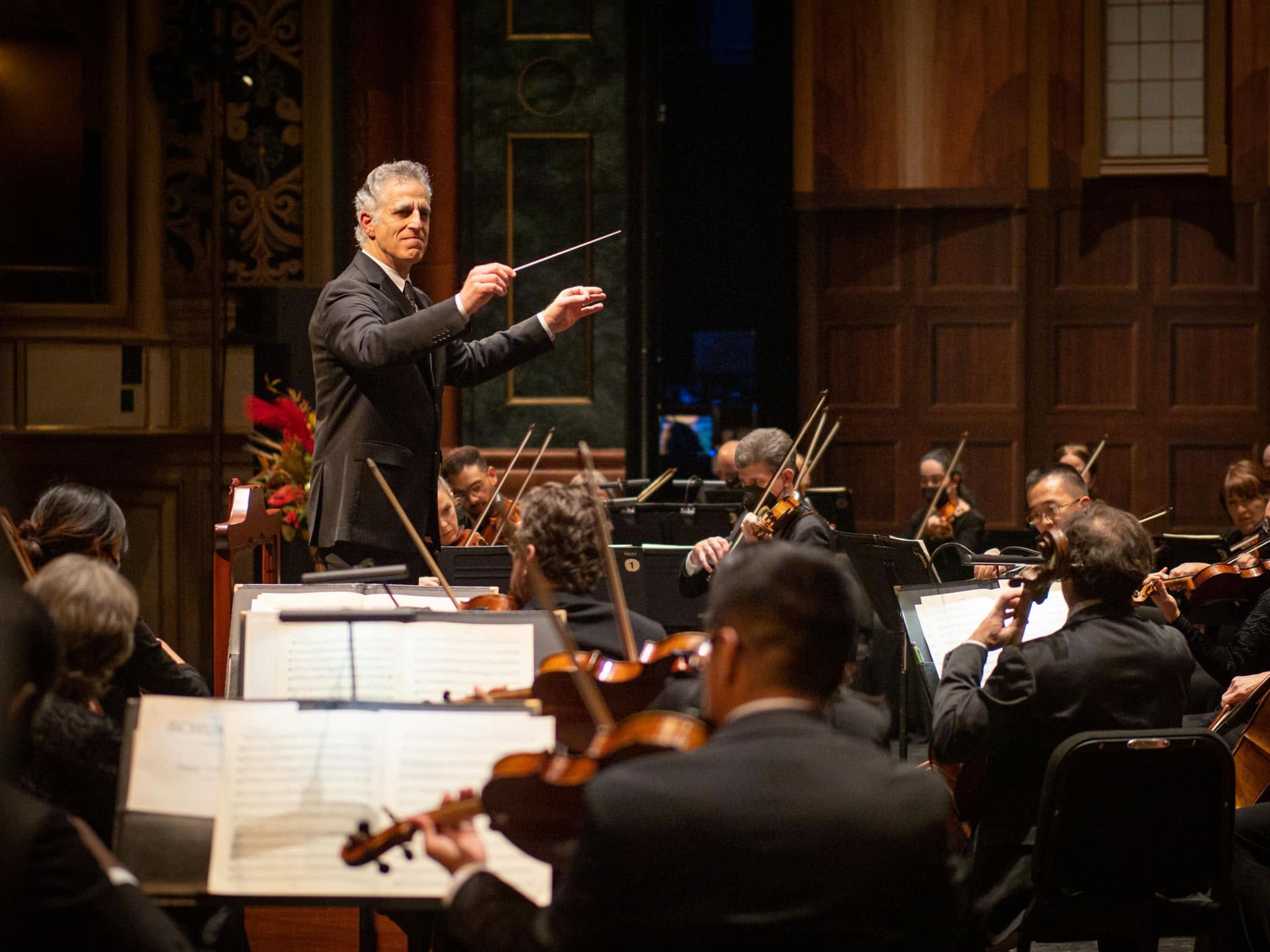
One week ago, Nir Kabaretti and the Santa Barbara Symphony put the exclamation point on the music director’s record 20th anniversary season with a benefit gala at the Music Academy of the West that included a special concert featuring solo turns from some of its superstars that looked mostly to the orchestra’s past and present. Now, as Kabaretti’s time at the helm reaches the age of maturity with the launch of the Symphony’s 21st season this weekend, the focus turns to the future, which underscores more than ever the organization’s commitment to community, collaboration, and continued growth.
Hitting that mark as the conductor and later music director is no small achievement for what is essentially a regional orchestra in a comparatively small city, exceeding the typical tenure by multiple factors.
“Yes, the average is probably about seven years,” Kabaretti said over the phone in a chat between rehearsal and the benefit concert last weekend. “When I started, I never would have imagined still being here after 20 years. But after my family decided to make Santa Barbara our permanent home, and after COVID and the managerial crisis, the board, our Executive Director (Kathryn R. Martin) and I made a long-term commitment so we could really build something together. We’ve been executing it. We extended our education program. We created the symphony chorus with all community singers, and we brought back the concerts for young people.”
Most importantly, Kabaretti & Co. are coming up with programs that are both broadening the symphony’s musical scope and upping the attractiveness for potential new audience members. Among those more cutting-edge concerts are April’s Casta Diva: Homage to Maria Callas, a tribute to the legendary soprano with Maritina Tampakopoulos, both a singer and an actress, portraying Callas in the drama written and directed by Jonathan Fox.
“He wrote a beautiful script, summarizing a lot of her career in a dramatic way,” Kabaretti said. “It should be a very interesting evening.”
The season-ending May program pairs Brahms and Barber with Slaughter on Tenth Avenue, with choreography by George Balanchine and the State Street Ballet in the latest collaboration between the companies.
“Gangsters on stage after a Brahms symphony is not something I could have imagined even 10 years ago,” Kabaretti said. “But knowing the community and the landscape, it’s something we think people will enjoy and won’t see anywhere else in town.”
The conductor also drew attention to the first two concerts of winter, Holst’s The Planets in January, with projected HD images courtesy of NASA, and February’s full focus on movie music by beloved composer John Williams, from Star Wars and Schindler’s List to Lincoln and The Terminal, plus themes from The Lord of the Rings by Howard Shore, and more. What makes it unusual is that the Valentine’s Day weekend concerts will have no movie clips playing.
“A lot of our musicians are part of the film industry, and our quality keeps going up, so now it’s very natural to say we can play this gorgeous music without the film clips showing behind us,” Kabaretti said.
January’s program, which also brings back violinist Anne Akiko Meyers to perform as soloist for Michael Daugherty’s Blue Electra, has a new first for the symphony. Select music majors from all of the area colleges will have the chance to perform alongside the ensemble’s musicians side-by-side on stage.
“They are working with their teachers and then receive coaching from our principal player to prepare,” Kabaretti said. “It’s part of our commitment to build up the community.”
Meanwhile, for March’s concert Lakshmi Basile “La Chimi” will be the flamenco dancer for Ponce’s “Concierto del sur,” which also features guitar soloist Pablo Garibay, plus de Falla’s “Three-Cornered Hat, Suite No. 2,” and perhaps the most famous symphony of all time in Beethoven’s 5th.
The season’s most staid show may well be the opening program at the Granada October 24-25, with Rachmaninoff’s “Piano Concerto No. 2” and Shostakovich’s “Symphony No. 5.”
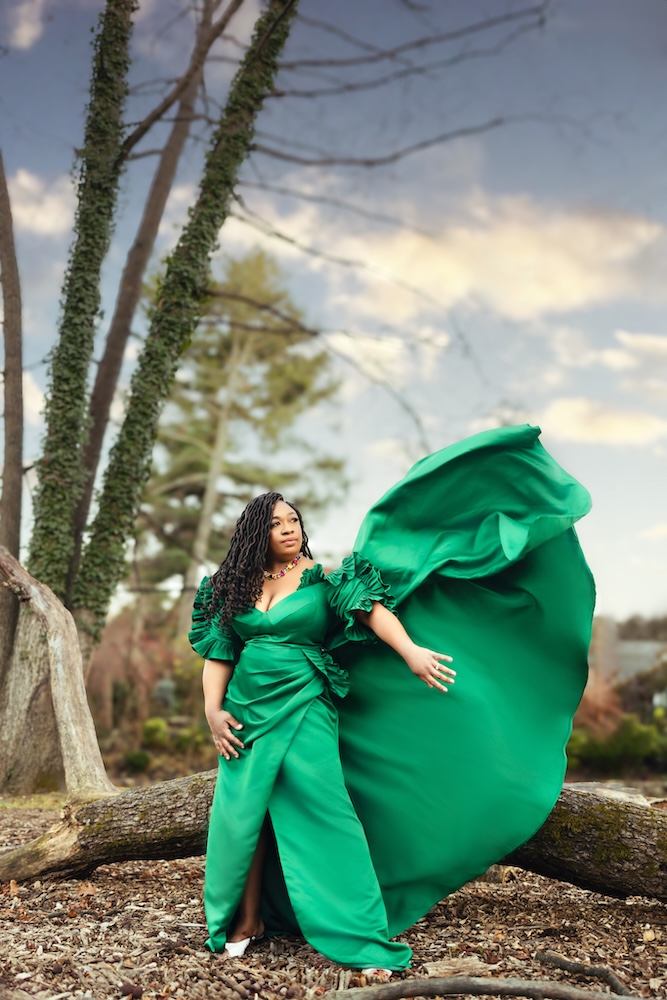
For pianist Michelle Cann, the soloist, it’s all about collaboration, too.
“Usually I only get to hear my own ‘voice’ as a solo pianist,” she said in a brief interview with the symphony. “Chamber music is so much more fun because you get to see how your voice fits in with others. You get inspired just during the live performance to do something differently because someone else is. A full orchestra is chamber music at its grandest level with everyone working together.”
Cann called the Rachmaninoff one of her favorites to both play and listen to.
“There are so many singable melodies and epic moments within the concerto. There’s the romantic love song and also the most powerful, thunderous music that you’ve ever heard. I love the high of the feeling of going from something calm and sweet and intimate, to where you can let everything out and scream at the world, and everything in between. It’s just glorious.”
Perhaps that fits the full season, too.
Visit www.thesymphony.org
You might also be interested in...




You must be logged in to post a comment.