
Breadth from Above
Life is a continuum. From birdsong to bombardiers, from Charlie Bucket to Veruca Salt, from manna to inopportune picnic lightning – our time on the Earth’s surface is a bewildering maelstrom, a crapshoot. When I was but a child (your weekly clenched sigh here, reader) I saw that the world was aswirl with this strangeness. You know in old Hitchcock movies where a guy in a nightmare is shown slowly whirling in a vividly colored spiral vortex, his expression sheer terror, his necktie jerkily adrift as Bernard Herrmann attacks both cowering cochlea with screeching minor chords? Like that.
Space Food
The late ‘60s/early ‘70s was a particularly ripe “transitional life” period whose gyrations often seemed inspired by a caterpillar with a waterpipe. Those decades bridged a tapering Vietnam War and just ahead lay ubiquitous Marlboro Man moustaches, platform shoes, and doomed plutonium tattletale Karen Silkwood. The western world was trying and failing to find its footing. This swing dance on thinning ice still troubles us today, but with scarier stakes.
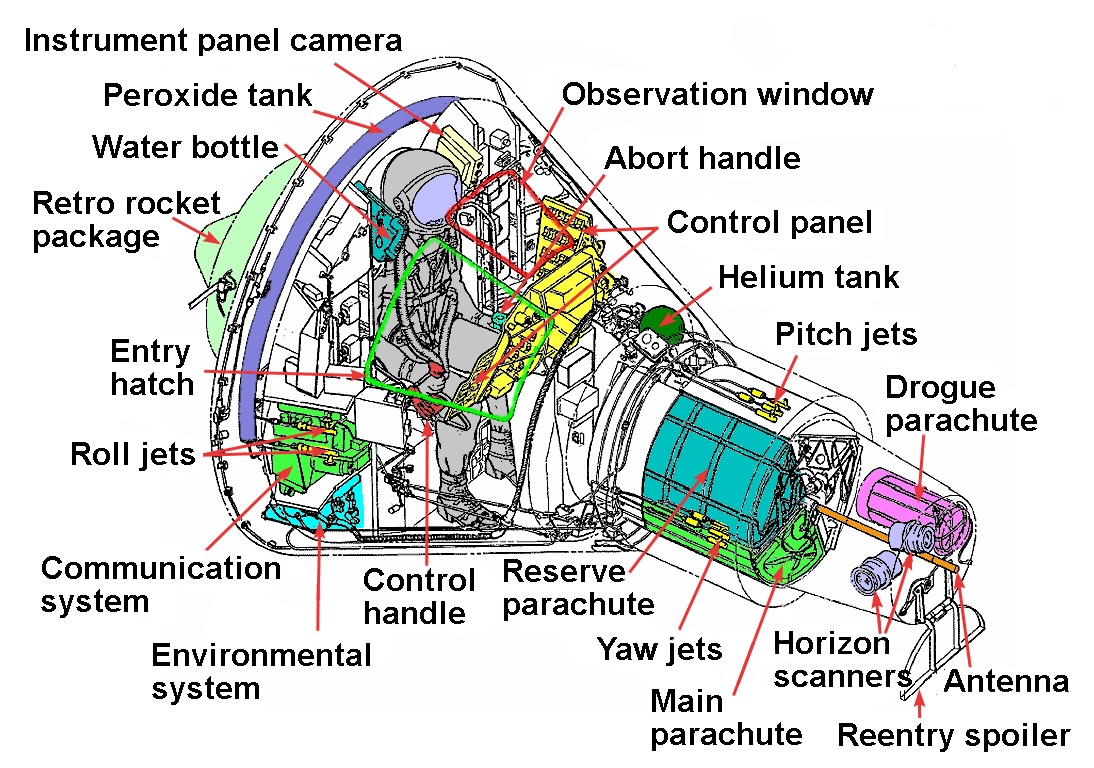
One result back then was Space Food Sticks™, a popular snack item whose subtly graceful brand name bespeaks the intensely engineered crucible that birthed it. When the NASA crewcuts thought it time to give their astronauts solid food to eat in space (early Mercury Program hero John Glenn had been obliged to suck Tang out of a baggie), they turned to Pillsbury. That company’s completely nude mascot “Poppin’ Fresh the Pillsbury Doughboy” could be seen nightly on Pillsbury’s TV ads, having his spongy gut poked and offering an insincere little giggle. How this sycophantic wad of flour moved product we can only wonder. The space agency’s goal was an edible that in zero-gravity orbit wouldn’t foul the already claustrophobic Mercury capsule environs with an undulating cloud of crumbs, and Pillsbury was glad for the contract. Nabisco’s Saltines were sent home without an interview.
Astronaut Scott Carpenter had the distinct pleasure of trying the first Space Food Stick™ prototype aboard the Aurora 7 in ‘62. At that time the form was a Space Food Cube™, which seems not to have taken into account the gloved and hungry space adventurer having to manipulate something into his pleading astro-yap in the cramped confines of the capsule. We can imagine a frustrated and hungry Carpenter surrounded by floating cubes as he overshoots Hawaii. When NASA figured out the stick design, an orbital snack era was born.
The public’s avid interest in the space program prompted NASA to commercialize the Space Food Stick™, and the item had about a decade-long run on grocery store shelves. The sticks were sold 14 to a box, were individually wrapped in lightly metalloid paper, and available in “peanut butter,” “caramel,” and “chocolate.” I can personally attest that Space Food Sticks™ were genuinely unearthly as food items, the taste and texture evoking raw cookie dough infused with motor oil.
Half novelty item, half precursor to the modern energy bar, half giggling Pillsbury Doughboy reimagined as a severe little rod of comestible discomfort (yeah: three halves) – Space Food Sticks™, were popular for a time, mostly because you felt you were sharing in the astronaut program without the centrifugal rigors and unflattering “suit.” By the ‘80s, Space Food Sticks™ had disappeared from store shelves. Later NASA would develop relish you could slice, so there may have been some unsung passive aggression in the NASA test kitchen.
Macramé, Namath, the Wild West
In the early seventies: my mother threw herself at the macramé plant holder craze and our home began to feel like a stalactite-crowded cave, elaborately knotted slings in their dozens cradling wilted ferns my mom’s loving but inept botanical attentions would hurry along to fern Valhalla. During this period my dad flushed my tiny pet turtle down the toilet while he was sleeping (while my turtle was sleeping, you understand), NY Jets great Joe Namath pitched Hanes’ Beautymist pantyhose on TV, and pixieish actress Sandy Duncan was revealed to have a glass eye. It was a time of madness during which the desperately questing tween mind could find no purchase.
Class time began to focus on the early explorations of the Wild West. While our stifling teachers thrilled us with state-mandated recitations and endless illustrations of covered wagons, the facts beckoned from afar.
Open Space: The Final Frontier
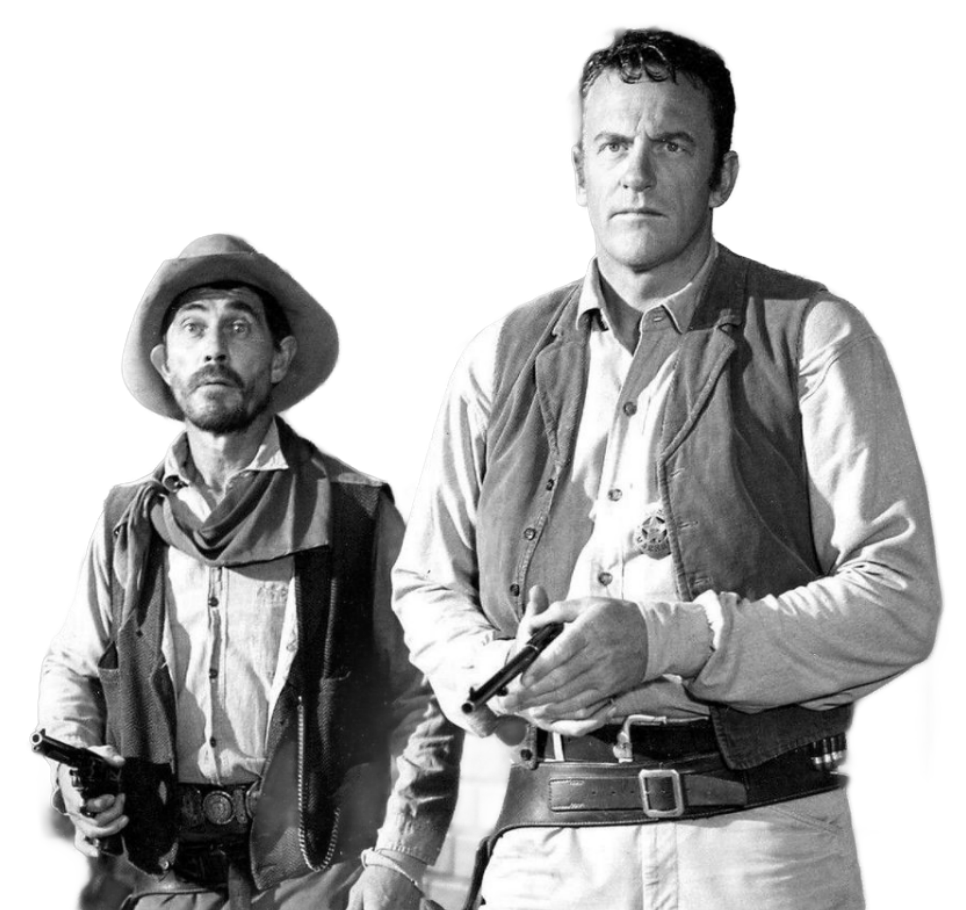
The opening and mapping of the Western United States was a nearly science-fictional plunge into the unknown for the European stock who undertook the endeavor, but our classrooms and ‘70s television programming painted a different picture. The word ‘frontier’ stirred in the explorers of the 18th and 19th centuries a feeling of awe and mystery, a vast unknowable gulf that may as well have been deep space. To Boomer kids, though, the once-unimaginable American ‘frontier’ was presented as buckskin with fringes, future vintner/hotelier Fess Parker as Daniel Boone splitting a tree with a hurled tomahawk, Sheriff Matt Dillon and his desiccated Gunsmoke sidekick Festus, Chuck Connors as The Rifleman, and cavalry outposts whose remote defenses were long upright logs and sometimes the hapless Ken Berry. The barbarians who 1,200 years before had brought down the Western Roman Empire would have walked through our Wild West Lincoln Log Forts like a hot coal through margarine.
So the Actual New World was in many ways a foal on shaky legs; soon to exhibit real horsepower but in the meantime a timorous newbie whose wide-open spaces really screwed with the frontier imagination and scared most people witless. The westerns on TV didn’t really play this up, choosing instead to sell cereal by glamorizing gunfights, coquettish ladies in huge dresses, and a bottle of whiskey that could be bought for a single largish cowboy coin.
Jackanapes
In the ‘70s, whether a show was set in space or 19th century Stockton, the writers would soon run out of steam and that TV convergence would begin. Two or three seasons in and the Space Family Robinson’s spat aboard the Jupiter II would be more or less indistinguishable from the Big Valley’s Barkley family bitch-fest around an evenly burning, smokeless campfire in the middle of an airless set of glimpsed maroon concrete.
Kids notice when the Robinsons on the way to Alpha Centauri are saying the same dumb scripted junk as the Barkleys of 1874 Stockton. Soon enough the old tropes emerge to sully prime time. The TV worlds which to the writers, entertainment lawyers, and industry “leaders” were the stuff of P & L, were to we preteen couch-cripples habitable ur-environments we urged into realness between fistfuls of Screaming Yellow Zonkers ®. We didn’t care about Will Robinson’s argument with his dad. We wanted to see that giant exoplanetary Cyclops throwing boulders at the Robinsons’ six-wheeled space chariot.
Today, of course, the hurled boulders seem distasteful (though the Benson & Hedges® theme still swings). It’s all part of growing up, I suppose.
Jeff has updated his byline photo to more accurately reflect his current state of vibrant good health. You’re no more shocked than Jeff himself to see this stooped and wizened figure.
You might also be interested in...




You must be logged in to post a comment.