
Following Riesling Through Germany, With a Detour to the Spa

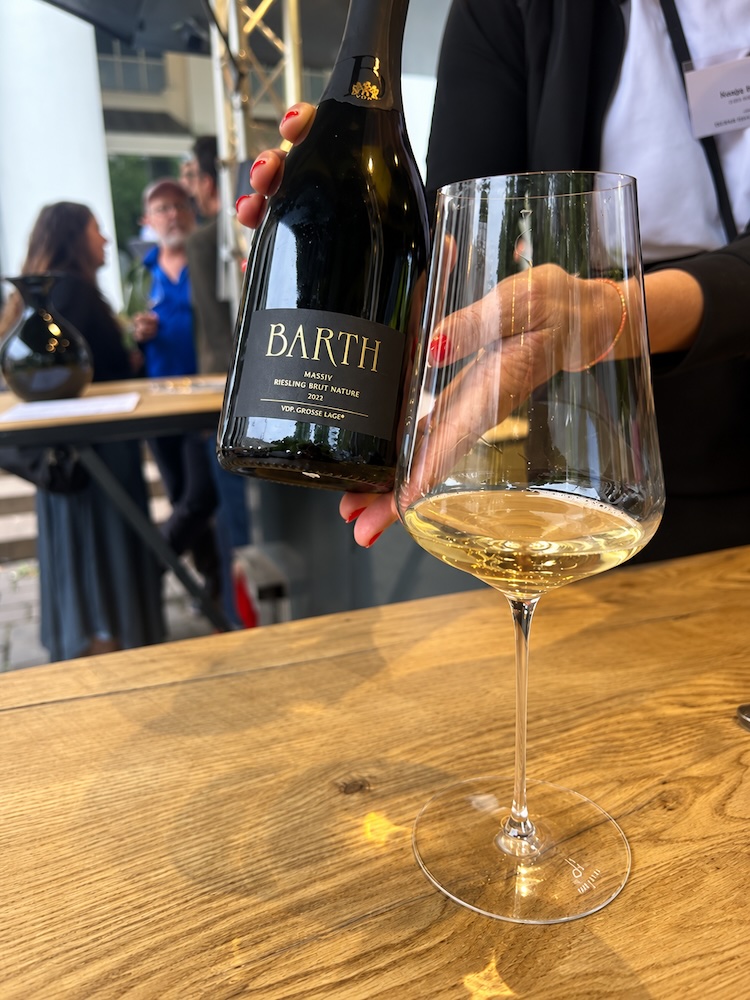
Last month, I was invited to Wiesbaden, Germany, for the 2026 VDP.GROSSES GEWÄCHS Sneak Preview, where Germany’s leading wine estates unveil their latest dry wines from the country’s finest classified vineyards. By my third day, I’d tasted my way through row after row of riesling, spätburgunder (pinot noir), silvaner, chardonnay, and more, and my palate was pleading for a pause. So, when the chance came to trade my tasting glass for a bathing suit, I didn’t think twice. Soon I was drifting between thermal pools, saunas, and steam rooms in a city whose very name means “meadow baths,” where people have been soaking in mineral springs since Roman times.
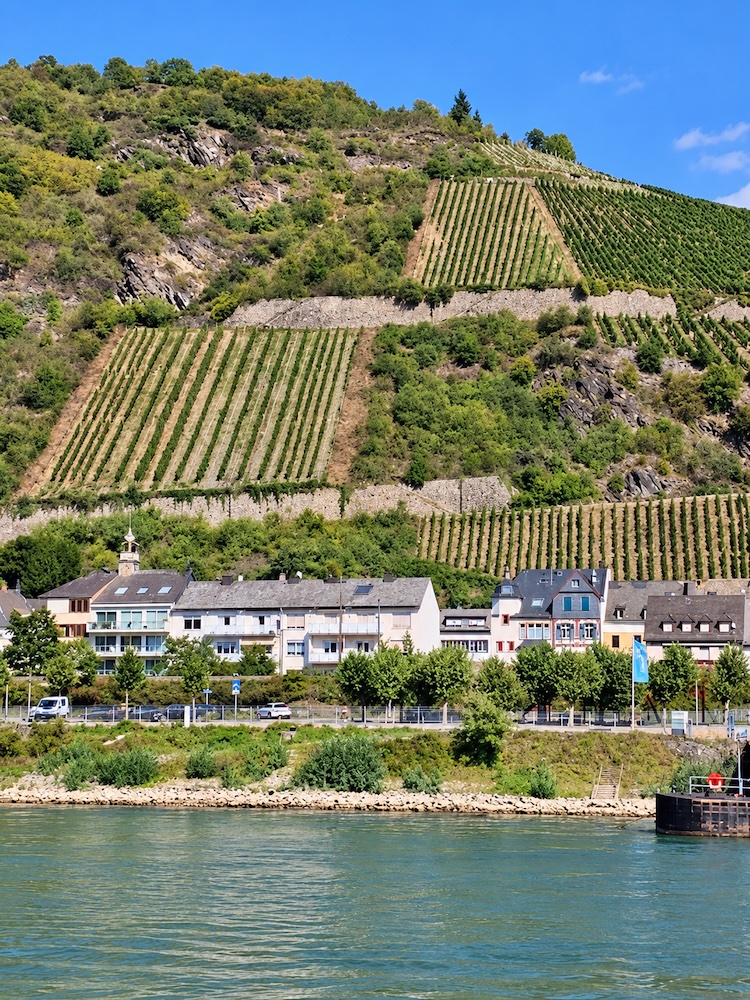
That afternoon has stayed with me as vividly as any wine I tasted, probably because it captured everything I look for in a wine destination. The bottles matter, of course, but I also want scenery I can’t stop photographing, historic towns worth wandering, wonderful meals and, whenever I can manage it, a little pampering. My three days of tasting in Wiesbaden set the stage for the rest of my week exploring Germany’s wine country. As I worked through the wines, I found myself returning to regions I have come to love over my travels, each with its own scenery, history, terroir, and distinctive expression of riesling.
If riesling still makes you think of sweet wine, Germany may change your mind. The grape produces everything from bone-dry whites to luscious dessert wines while retaining its bright, mouthwatering acidity. On a label, trocken is the word to look for, since it means dry. The letters GG, short for Grosses Gewächs, identify a dry wine from one of the VDP’s top classified vineyards, a designation often compared with Burgundy’s grand cru classification. Meanwhile, feinherb generally signals something off-dry. Because I order seafood whenever I can, I find dry riesling hard to beat at the table. Its citrus, stone fruit, and lively acidity are lovely with oysters, grilled fish, and anything finished with fresh herbs.
The Rheingau
My favorite wines kept pulling me back to the Rheingau, which begins practically on Wiesbaden’s doorstep. Here, the Rhine swings west for a stretch of roughly 30 kilometers, allowing many vineyards to face the southern sun as they rise from the riverbank past castles, monasteries, and centuries-old estates. The rieslings I loved most combined freshness with texture and generous fruit, and one came with a story I couldn’t resist. It was from Hochheim’s Königin Victoriaberg vineyard, named in honor of Queen Victoria after she and Prince Albert visited in 1845. The British had grown so fond of Hochheim’s wines that they began calling Rhine wine “hock,” a term that lingers in Britain to this day.
I’d spend my days exploring the wine villages around Eltville, Hattenheim, and Rüdesheim, enjoying riverside lunches, vineyard walks, and visits to historic estates, then return each evening to Wiesbaden, whose elegant nineteenth-century streets make it a gracious luxury base.
Along the Mosel
For anyone who has dreamed of seeing wine country by river, the Mosel belongs on the itinerary. Its winding loops are lined with vineyards so steep they seem to hang above the water, with medieval villages below and castle ruins perched along the ridgelines. The region’s celebrated slate vineyards produce rieslings prized for their freshness, aromatic complexity, and distinctive character. One of my favorite discoveries in Wiesbaden came from Dr. Loosen’s Bernkasteler Lay vineyard, where steep slopes rise dramatically above the river. I’d build a Mosel stay around Bernkastel-Kues, with its half-timbered market square, leaving room for side trips into the quieter Saar and Ruwer valleys. This is countryside made for scenic drives, river excursions, and lunches that drift well into the afternoon.
The Nahe
The Nahe surprised me. It’s smaller and far less known internationally than its neighbors, yet it holds an astonishing range of geology, with slate, sandstone, volcanic rock, and other soil types sometimes changing from one vineyard to the next. That variety shows in the glass, where Nahe rieslings can have remarkably different personalities depending on where they’re grown. The wine I keep thinking about came from Dönnhoff’s im Mühlenberg vineyard, planted on weathered red sandstone. My notes describe a cool, mineral character that immediately made me want to stand in that vineyard myself. Travelers who enjoy exploring lesser-known wine destinations will find plenty to discover here, among river valleys, dramatic rock formations such as the towering Rotenfels cliffs near Bad Münster am Stein-Ebernburg, hiking trails, and traditional wine villages where family estates still pour their own wines.
Pfalz and Franken
With a longer trip, I’d add two more regions. The Pfalz, sheltered by the Palatinate Forest, is home to the German Wine Route, which winds approximately 85 kilometers through vineyard villages from Bockenheim in the north to Schweigen near the French border. It’s one of Germany’s warmest, sunniest wine regions, with a generous food culture and rieslings to match.
Farther east, Franken, or Franconia, brings a different landscape and another of Germany’s great white grapes, silvaner, often poured from the region’s distinctive flat, rounded Bocksbeutel bottle. My most memorable silvaner came from Würzburg’s historic Stein vineyard, where limestone soils help shape the character of the wines. Würzburg itself, with its baroque Residenz, setting on the Main River and grand old wine estates, would make a wonderful final stop.
Back to the Water
Returning to Wiesbaden, the spa made perfect sense. Germany has a long tradition of taking to the waters, and few cities have honored it longer than this one, which still pairs historic bathhouses and contemporary thermal facilities with stately architecture and leafy parks. After concentrating on wines for three days, I thoroughly enjoyed giving myself a few restorative hours. More and more, this is how I love to travel, with exceptional wine balanced by long walks, beautiful food, and the occasional quiet afternoon. I still want that memorable bottle at dinner, but I’d also like to wake up the following morning feeling ready for whatever the day brings.
I arrived in Wiesbaden with a tasting book and left with a renewed appreciation for Germany’s wine regions, their historic vineyards and the remarkable landscapes I want to continue exploring. Next time, though, I’m setting aside several days for the spa.
You might also be interested in...




You must be logged in to post a comment.