
Feeling SAFE: What Shelter MeansWhen Everything Else Is Gone
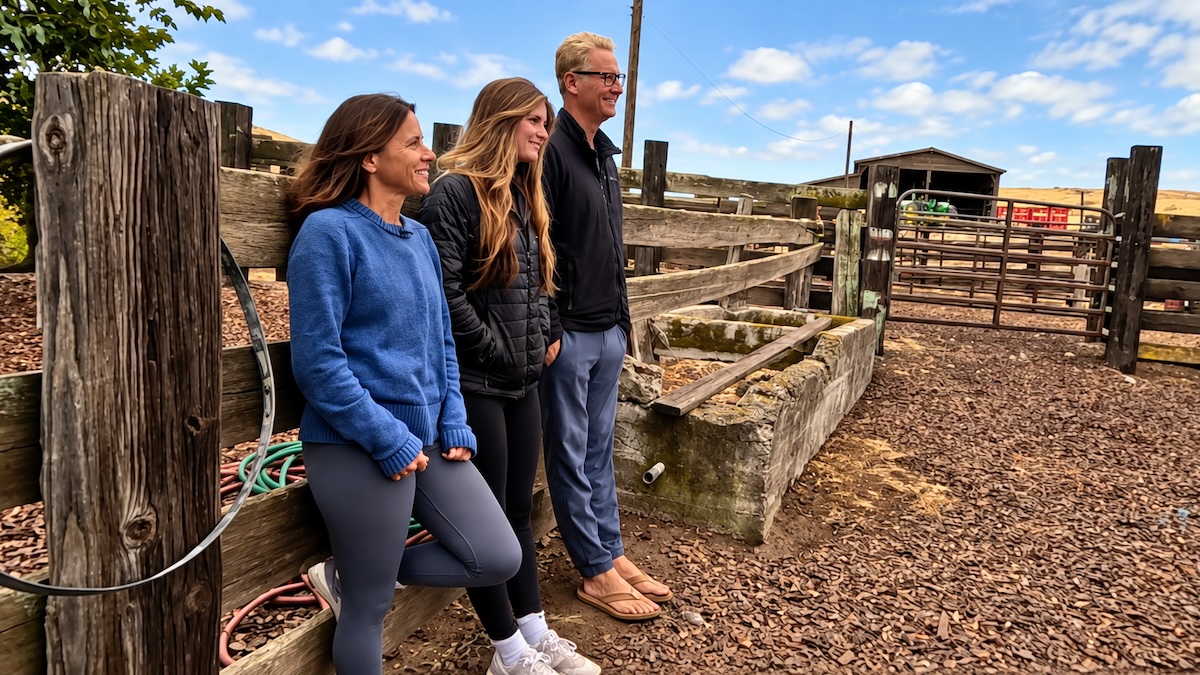
In Montecito, a disaster is not an abstract idea. Our community remembers the 2018 Debris Flow and the neighbors whose lives were lost. I grew up knowing that an ordinary day can change without warning. This month, I began to understand what it takes to help a family in the days that follow.
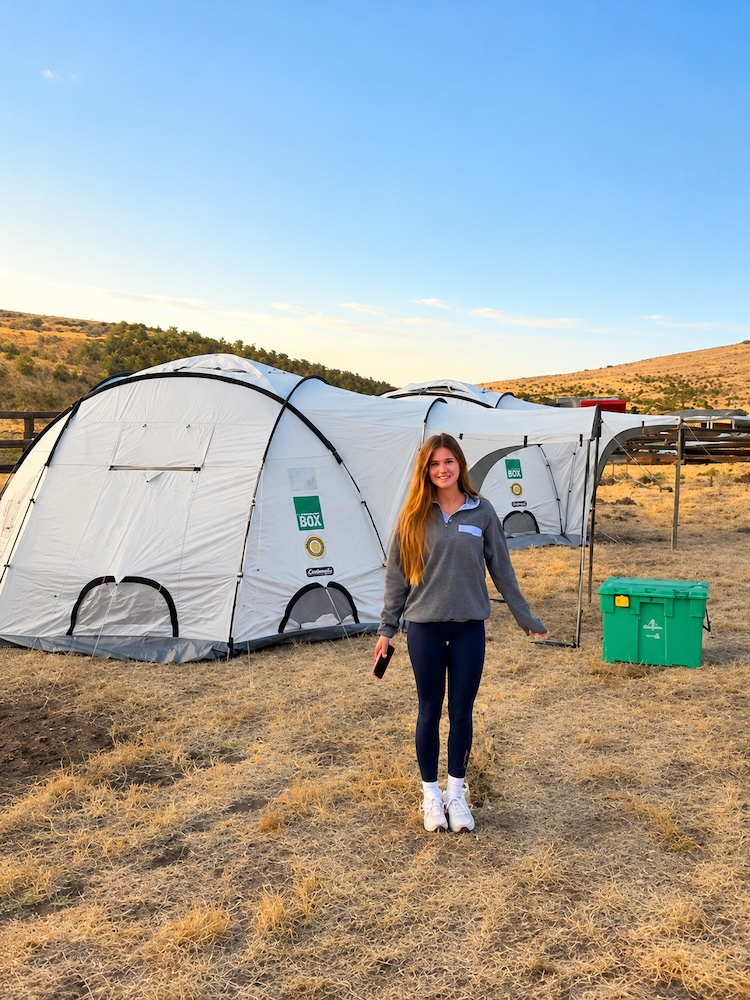
(photo by Helene Keech)
I’m a junior at San Marcos High School in the AAPLE Academy and began interning with ShelterBox USA during my freshman year. I learned about SAFE, the ShelterBox Ambassador Field Experience, a training exercise where participants sleep overnight in tents and go on a simulated catastrophe. I wanted to attend SAFE to experience as closely as possible what it would feel like to be on the front lines and to learn more about an organization I care about. The response simulation is usually attended by adults, and my parents agreed to train with me.
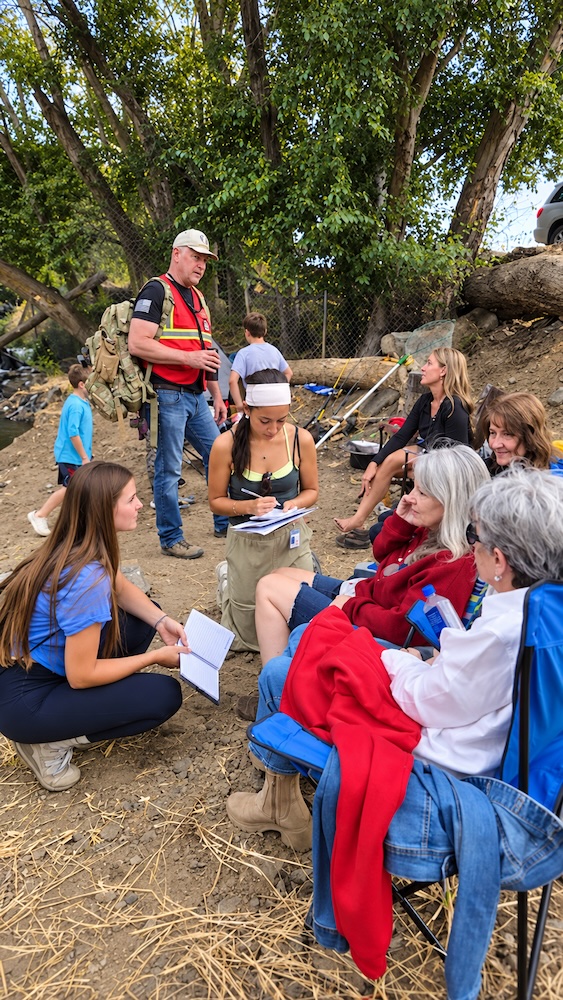
For one weekend in Echo, Oregon, we entered a fictional disaster zone called Cascadia. ShelterBox Response Team members, with experience in a range of disasters from Iraq to recent calamities in Venezuela and beyond, briefed us as though we were deploying with ShelterBox. They gave us information quickly, assigned us to teams, and sent us into villages representing communities affected by the disaster. We had to work through uncertain needs, language barriers, safety and security issues, and the logistical challenges of delivering humanitarian aid. Because resources were limited, we also had to decide which people were most vulnerable and should receive
priority assistance.
I had expected to learn how ShelterBox delivers shelter. I had not understood how much listening comes first.
In each village, we had to find out what families needed and who was most vulnerable. We could not learn that by walking in with assumptions. We had to pay attention to what people told us, ask better questions, and rely on one another to make careful decisions. Over the weekend, 24 people who had arrived as strangers became partners.
That night, a significant rainstorm fell around the ShelterBox tent where my family slept. The tent kept us dry and warm. We had privacy, a place for our few belongings, and room to be together. It began to feel like our home.
I also knew we would go home after the simulation. Families displaced by a real disaster may have no idea when they can return, or what they will find when they do. That difference stayed with me. The ShelterBox tent showed me what shelter can offer during an uncertain time: a safe place to sleep, a measure of privacy, and space for a family to face the next day together.
The response team members spoke honestly about their deployments. They described meeting families after terrible losses and the pain of having to tell some people they did not meet the criteria for assistance. I could see how deeply those decisions affected them.
I asked team member Reis Pearson what it feels like to come home after a deployment. He talked about the frustration of returning to everyday life after witnessing poverty and destruction, and about feeling more grateful for things he once might have taken for granted, including a meal and a roof over his head. His answer helped me understand that the people who respond carry these experiences home, too.
We learned that a response depends on many people: team members, local partner organizations, Rotary partners, volunteers, donors, and the families themselves. ShelterBox provides shelter and essential supplies, but those things also carry a message. They tell a family facing one of the worst days of their lives that people they may never meet are thinking of them and want to help them find a way forward.
I went to SAFE because I wanted to understand the work of an organization I care about. I came home wanting to stay involved for the rest of high school. My family came home with that connection, too.
Even greater connection and awareness came from a stirring reflection by Marco Farrell, dynamic ShelterBox ambassador. The Montecito mud flow destroyed his family home. Marco and his parents narrowly escaped death, some neighbors did not.
“I’ve been wandering for the past seven years,” said Marco. “Yet, through my time at SAFE, connecting with the survivors in the simulation using my story, I’ve been able to flip the script on my trauma, and I’ve found my new self.”
You might also be interested in...




You must be logged in to post a comment.