
Haute Couture in Santa Barbara
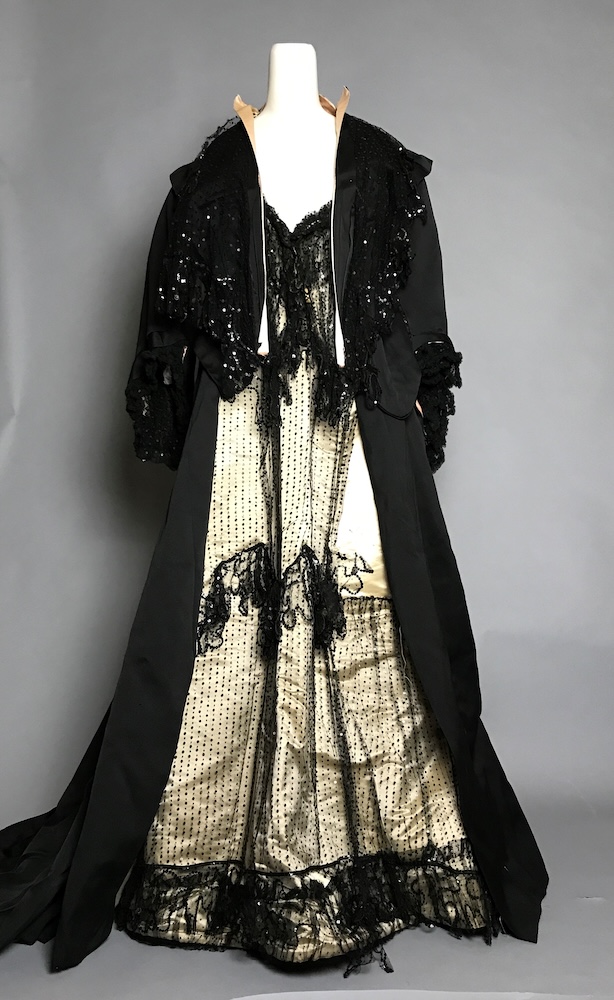
Since the days of Spanish settlement in California in the late 1700s, a universal desire for unique, beautiful clothing and adornment was perceivable. Recently, a new museum has arisen in town that celebrates that artistic desire. Couture Pattern Museum, founded by Cara Austine-Rademaker and staffed by a group of fashion industry experts, has taken on the task of preserving haute couture patterns. They have established a comprehensive collection of these patterns along with costume pieces from legendary designers who shaped fashion history.
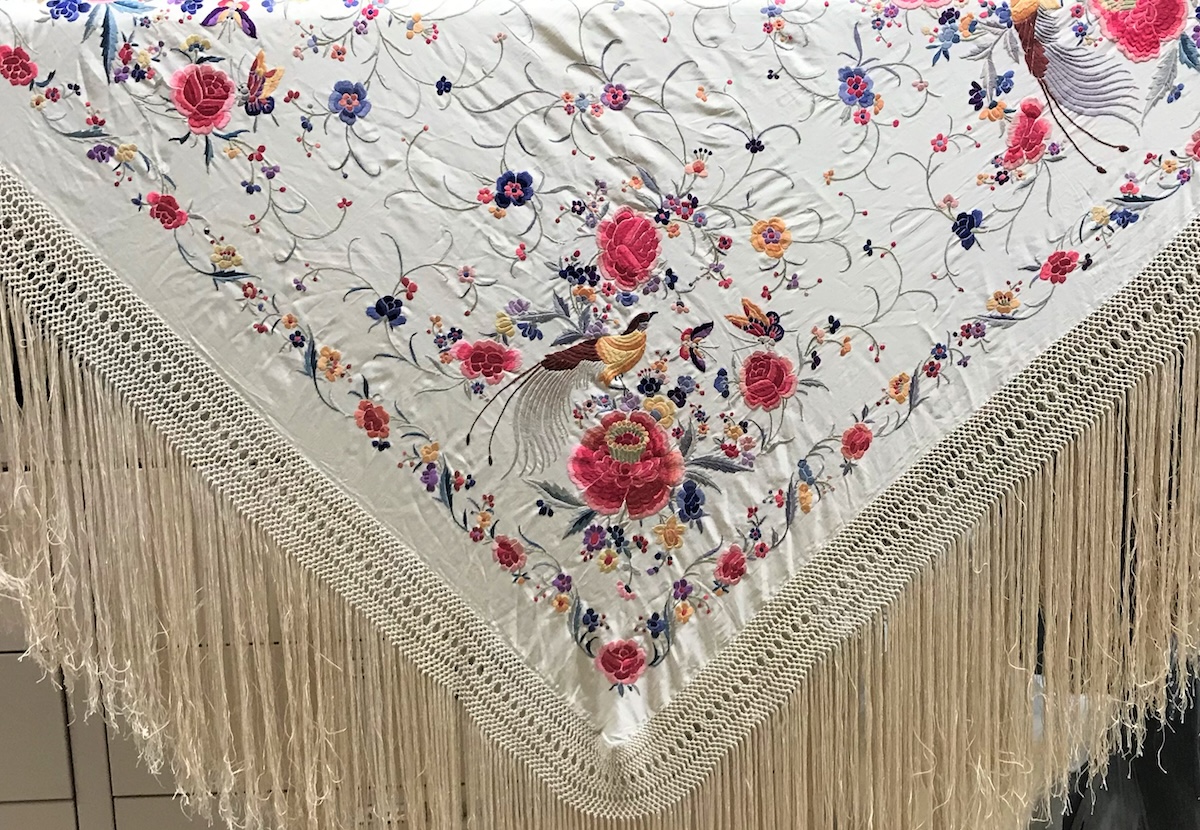
Back in Spanish California, beautiful fabric and beautiful clothing had to be imported. This presented a problem. Due to the Spanish mercantile laws, Californios could only trade with Spain. As luck would have it, however, a former comandante of the Santa Barbara presidio, José Francisco Ortega, had established a family ranch at today’s Refugio Canyon. Foreign ships did a brisk trade smuggling goods, and they accepted “California dollars” (tanned cowhides) in exchange for the beautiful clothing and mantones brought from China. The señoras and señoritas especially liked these shawls trimmed in hand-knotted fringe and embroidered with roses and peacocks.
After Mexico won its independence from Spain in 1821, foreign trade with Santa Barbara was legal but taxed. After 1848 and the results of the Mexican American War, the trickle of Americans who had established themselves in early Santa Barbara became a surge. For those who came to look for gold or to farm, however, the concept of haute couture, which was established in Paris in the 1860s, remained very foreign, indeed.
By the latter part of the 1880s, an influx of citizens and part-time residents from the more well-to-do families of the East, brought greater attention to fashion, and the newspapers reported on the attire of the women at various social functions. For the grand Mission Centennial Ball at Lobero’s Theatre in 1886, the newspaper devoted a full three columns to descriptions of the eloquent costumes of each lady. The reporter said, “Senorita Delfina de la Guerra was brilliant in crimson satin and white lace with yellow ribbons… Miss Elizabeth Eaton wore blue silk with black lace ruffles and drapery and a red rose in her hair.”
Twentieth Century
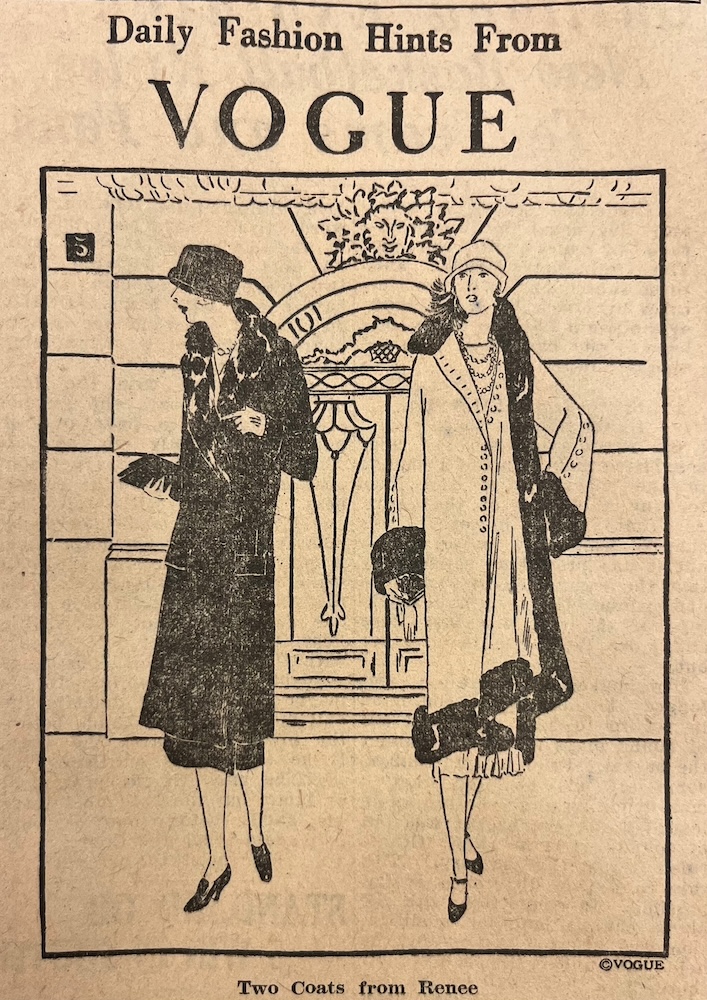
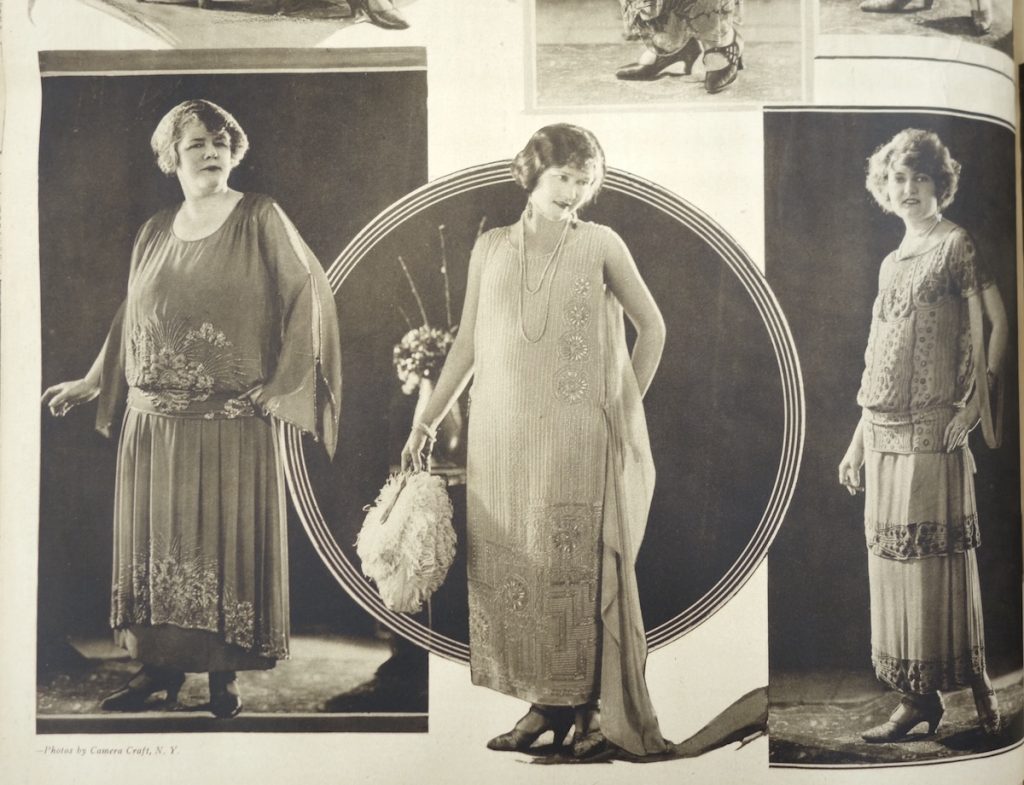
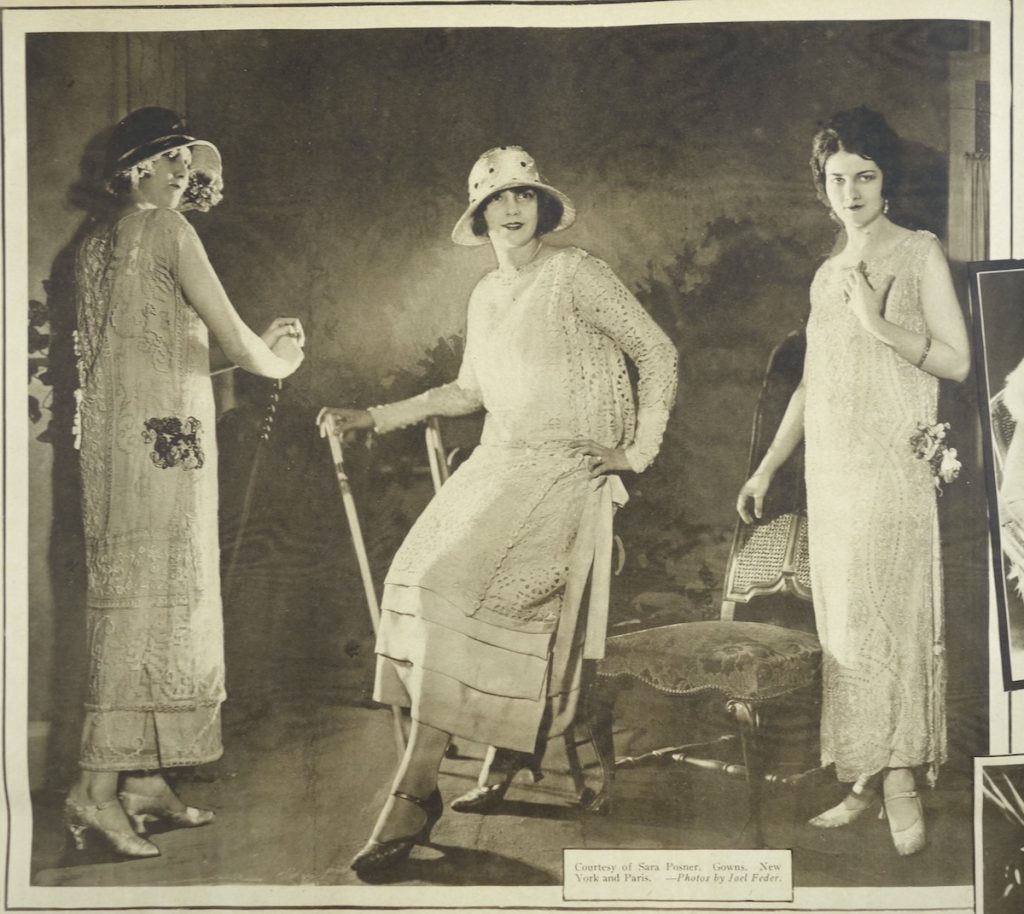
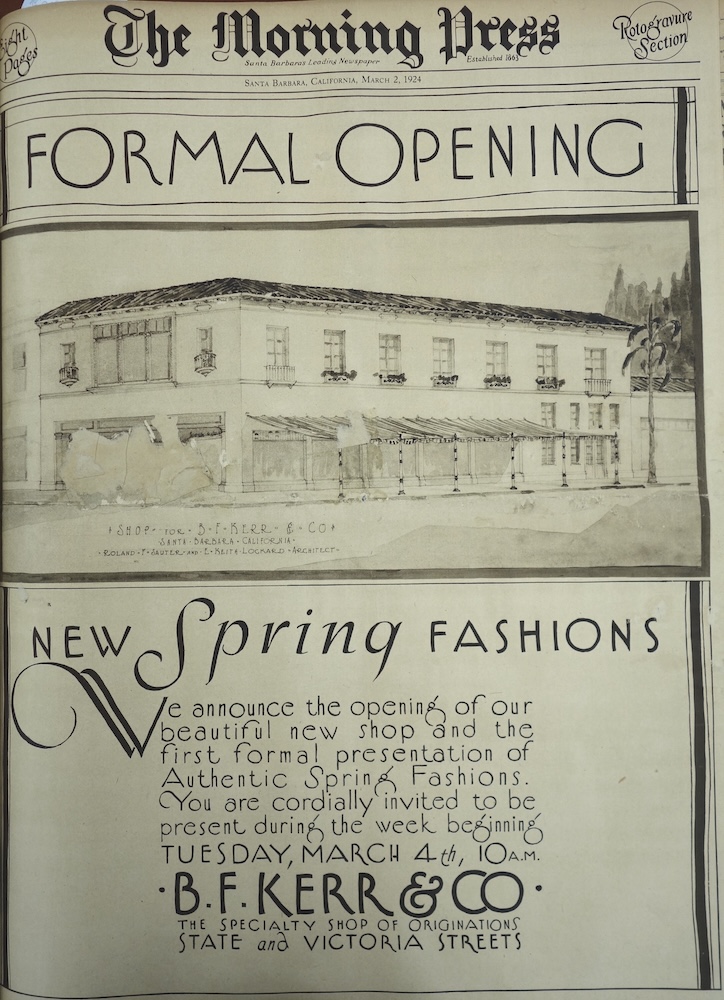
At the beginning of the 1900s, there were few clothing stores in Santa Barbara. In 1904, four shops advertised men’s furnishings, and five offered women’s furnishings. There were seven milliners, seven tailors, and twenty-three dressmakers.
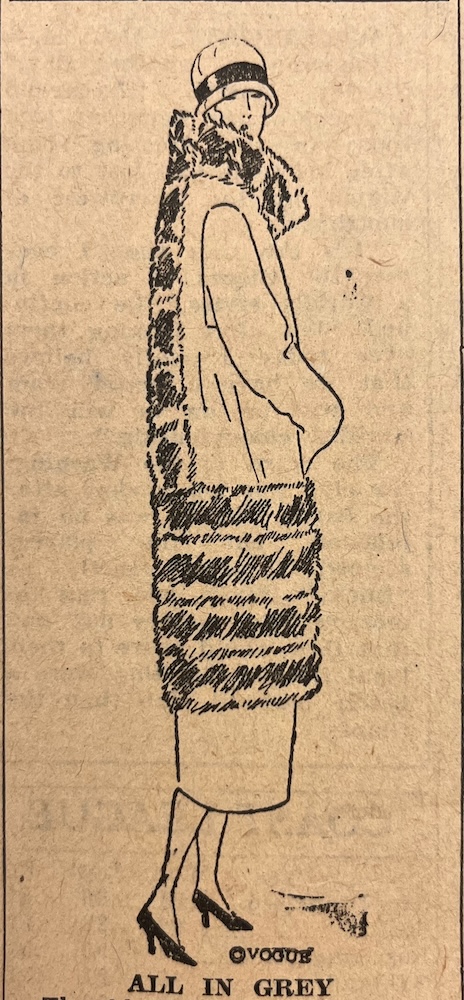
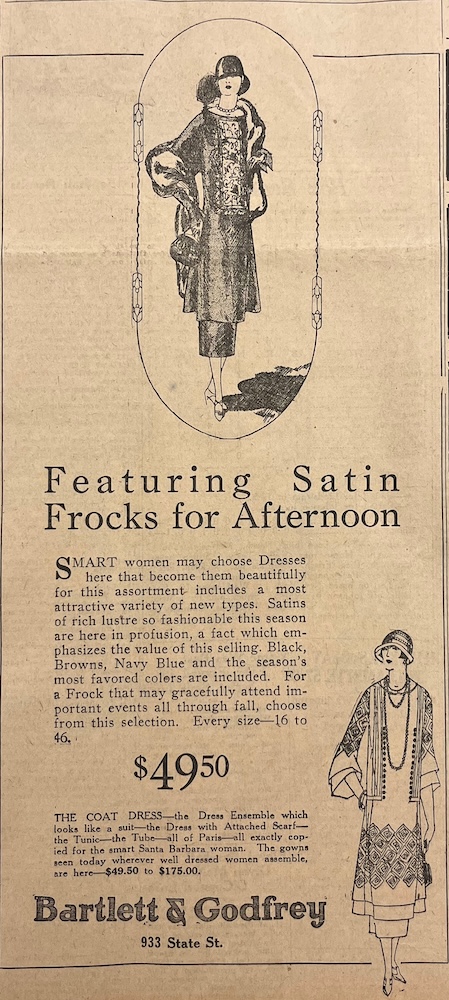
Things had changed somewhat by 1924. While there were still 23 dressmakers, the number of milliners had increased to 13, and there was almost twice the number of clothing stores. This revealed an increased awareness of haute couture advertisers appealed to “smart women” who valued style and elegance. Also, the Morning Press started publishing “Daily Fashion Hints from Vogue.”
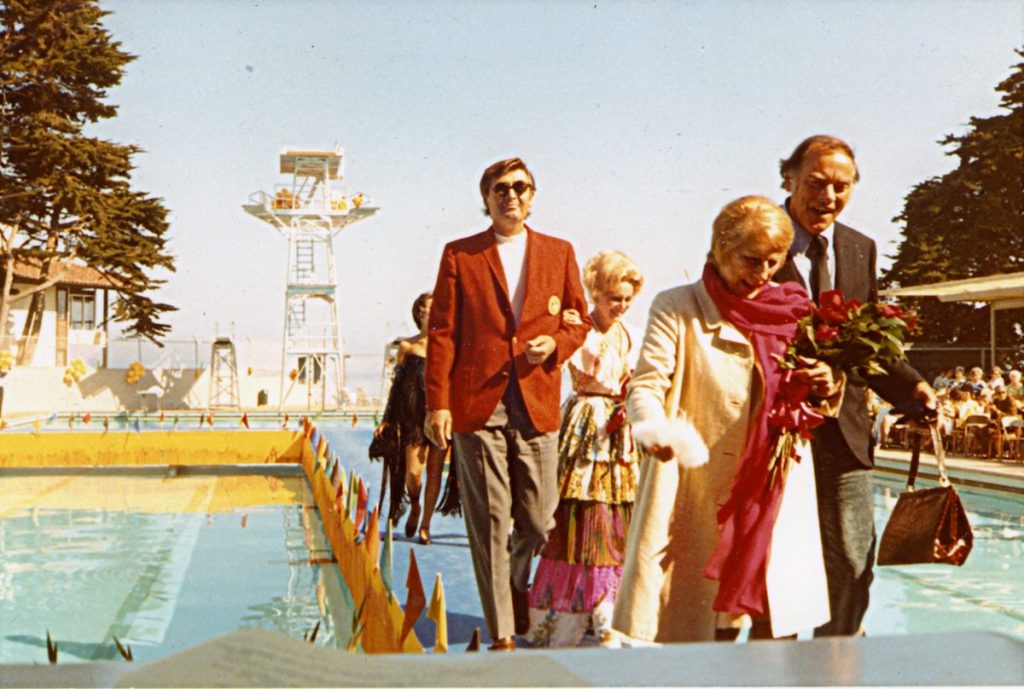
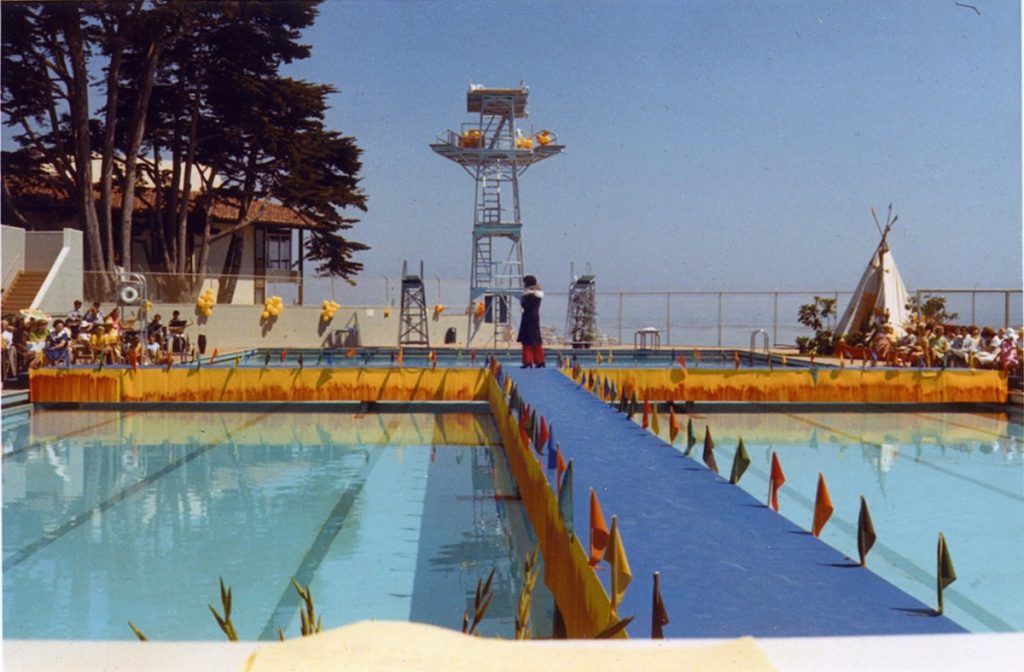
In the 1960s, the Town and Country Women’s Club of Santa Barbara hosted elaborate fashion show benefits for the Cancer Society at the Coral Casino. Scripted around a general theme, each of the five or six acts involved a cluster of fashion models wearing the latest from long-forgotten designers like 1962s Marusia, Helga, Harou, and Zolot and 1970s Jennifer, Woolies, Mimi de N, Evan Picone, Baron Peters, and Gino Paoli. Local dress, fur, and hat shops, like Lou Rose, Mr. Milton’s, and Peningers, helped produce the shows. The legendary Gil Rosas provided the music.
In 1970, the benefit was themed “Time for a Holiday.” Eva Gabor, Fess Parker, John Ireland, and Dame Judith Anderson were celebrity guests and participated in the performances. The descriptions of the modeled outfits provide a trip back to life 50 years ago. The most expensive ensemble shown was a pair of violet and lilac silk chiffon pajamas under matching satin coat by Georgia Bullock, $450. Not to be outdone, Gino Ricci was showing the “Wet Look” in a coat and blue vest and pants. (Quite trippy!)
Preserving the Couture of the Past
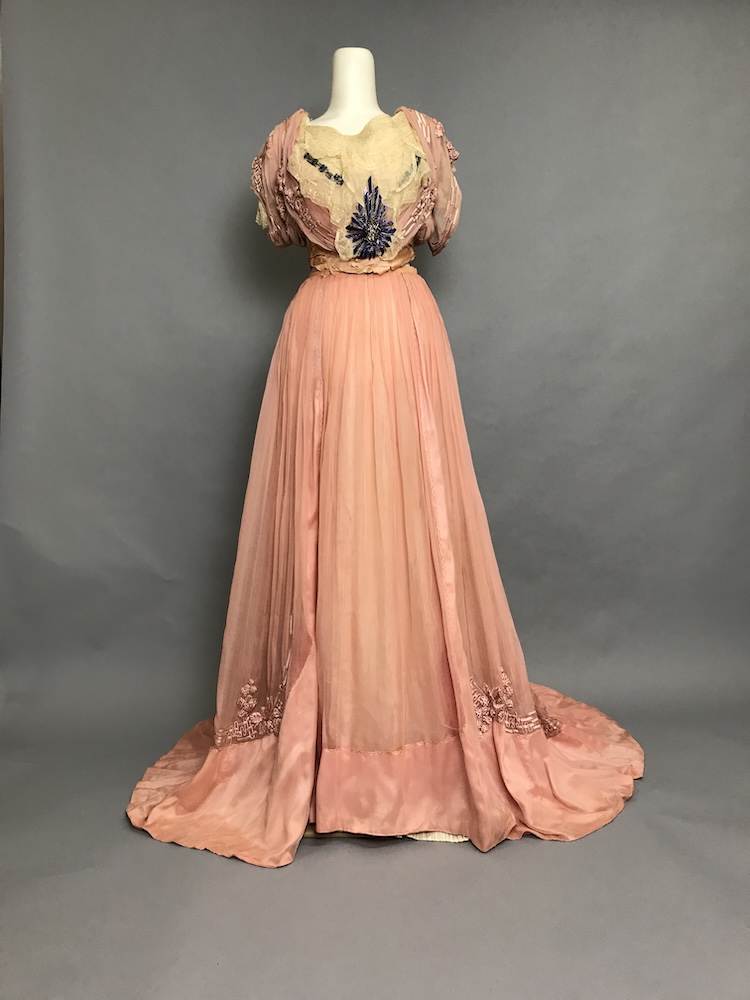
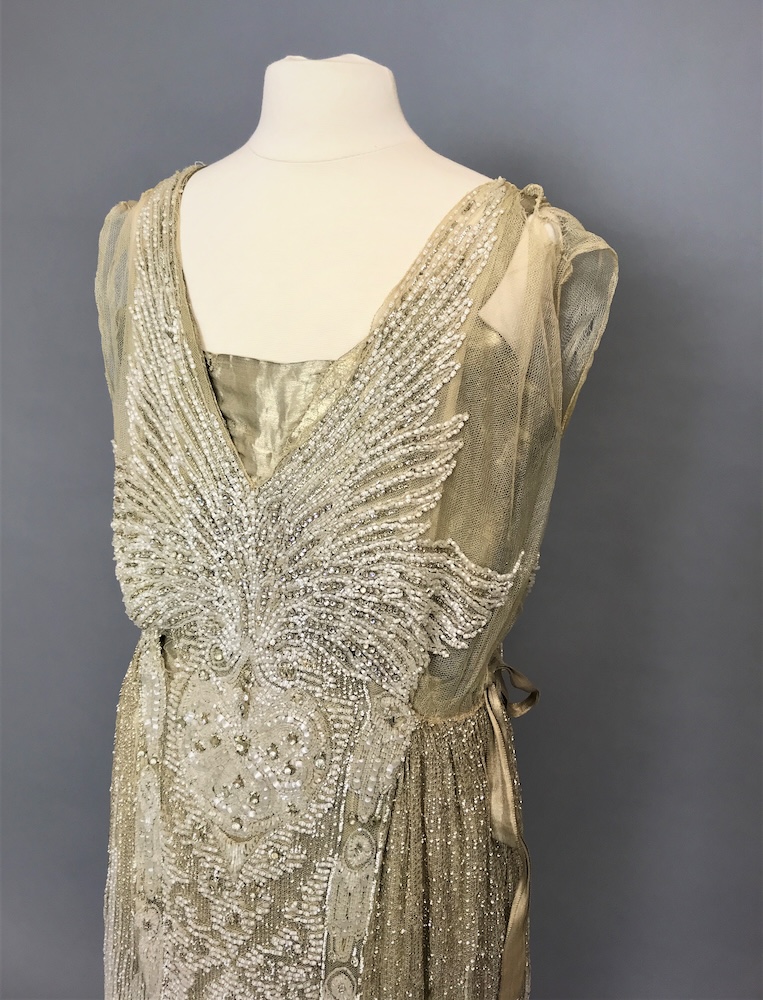
The Santa Barbara Historical Museum has an extensive collection of haute couture and historic clothing, all carefully preserved and curated with images available online. For a 2019 exhibition of a portion of the collection, The West Dressed Woman, Executive Director Dacia Harwood explained the painstaking and expensive process of preserving fabric and the fragility of the antique clothing itself. That exhibition was sponsored by Sharon Bradford, who, said Harwood, “donated her love, time, and resources to bring these delicate pieces of history before the public, together with tales of their owners.”
The complete collection reaches back to the late 1800s and features the work of several well-known designers, including Arnold Scaasi, Reville and Rossiter, Zoë De Salle, Christian Dior, Gustave Beer, and Charles Frederick Worth, a British transplant to Paris who is considered the father of haute couture. The list of Santa Barbarans who donated their clothing to the collection is extensive.
The Santa Barbara collection does not contain designs by the enigmatic and controversial Coco Chanel, but Couture Pattern Museum will be hosting the launch of the much celebrated two-volume book Chanel in Vogue. The book details in word and image the history of Gabrielle Chanel’s creations as seen on the pages of Vogue magazine. Vogue had been reporting on the work of Chanel since the 1910s and continued when she returned from a long absence after WWII.
Coco
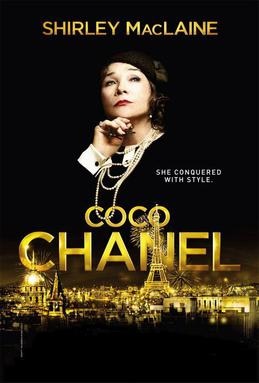
Chanel’s life story has been interpreted on stage, screen, and in print. In 1969, Katherine Hepburn played her on Broadway in Coco. In 2009 Shirley MacLaine starred as Coco in a TV movie, and in 2022 PBS aired a special on her life.
Gabrielle Bonheur Chanel was born in Saumur, France, in 1883. At age 12 her mother died, and her father sent her to a Catholic orphanage/school where the nuns educated her and taught her to sew. Later she had a brief career as a singer, just long enough to obtain a “protector,” who offered to help her set up a millinery business and acquire the nickname Coco, which was a shortened version of cocotte. The French word translates as “kept woman.” She left him for a wealthier friend of his, but both men helped to open her first shop in 1910. She later expanded to Deauville and Biarritz, playgrounds for the ultra-wealthy.
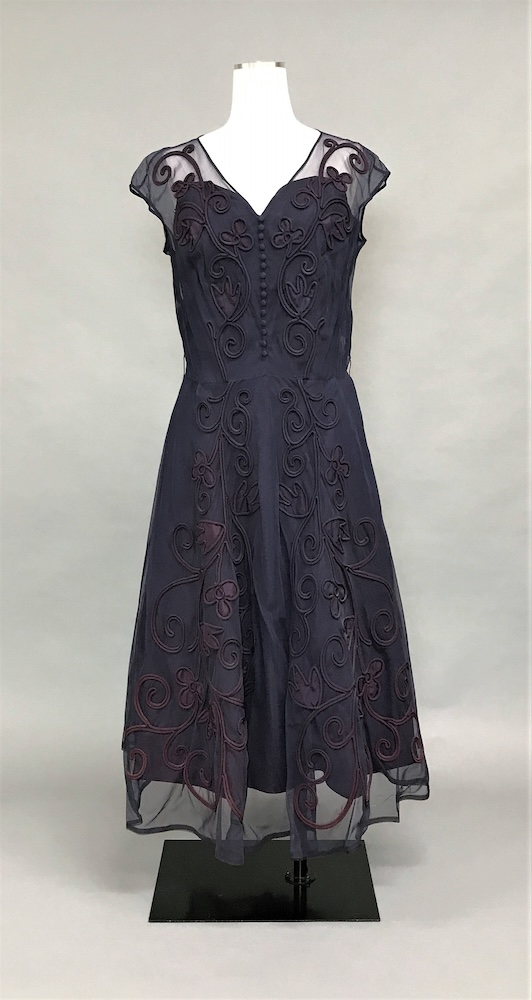
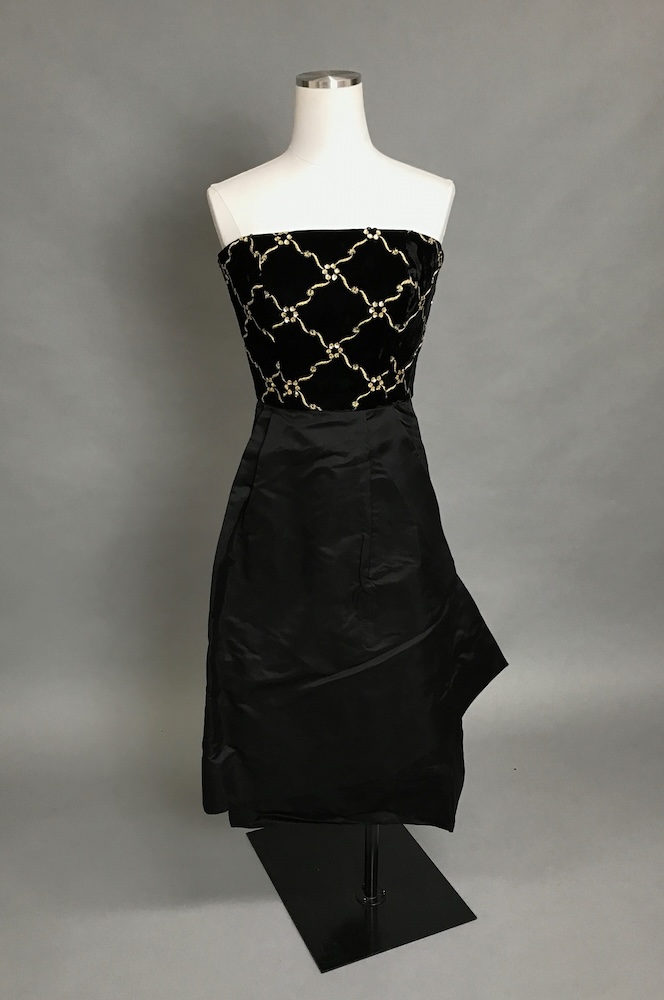
In 1925, the Chanel suit and Little Black Dress made their appearances using ideas that were revolutionary at the time. She borrowed elements of men’s clothing and sought to make clothing comfortable. With her little black dress, she took a color associated with mourning and transformed it into a symbol of sophistication that suited every occasion, including evening wear.
During WWII she formed a liaison with a ranking Nazi officer who protected her and kept her in the style to which she was accustomed. After the war she was accused of being a Nazi collaborator, but there is also evidence that she worked for the Resistance. Regardless, after a few hours of questioning by a post war tribunal, she was released and fled Paris for Switzerland, not emerging until 1954 with a triumphant, if controversial, return to the world of fashion.
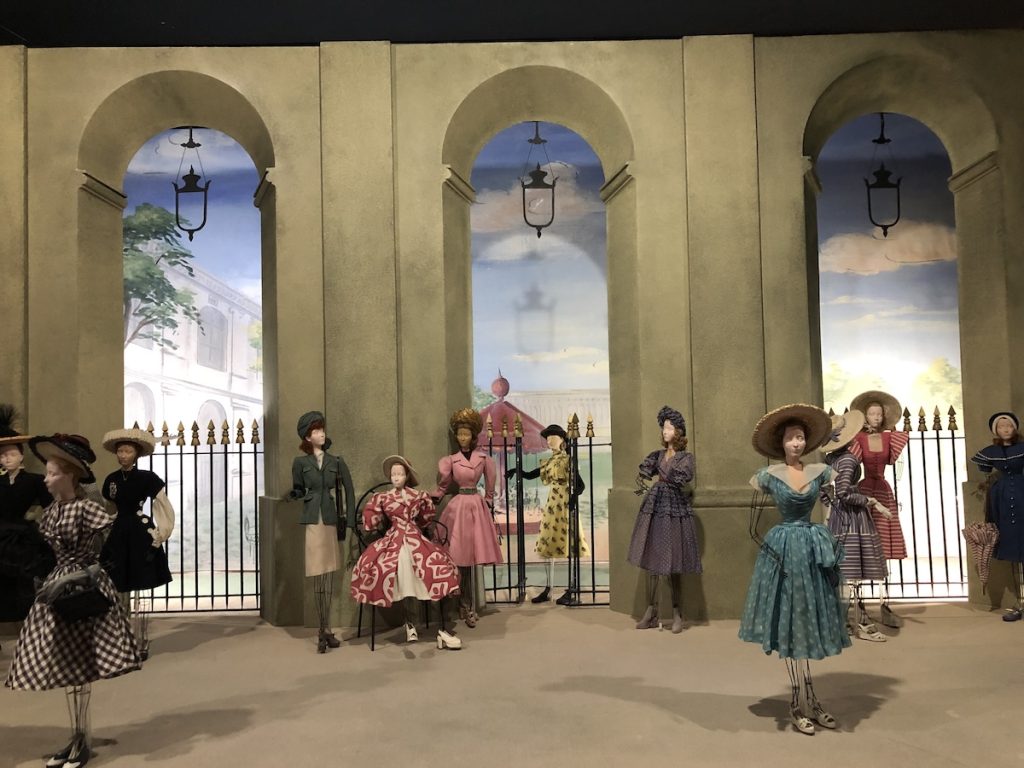
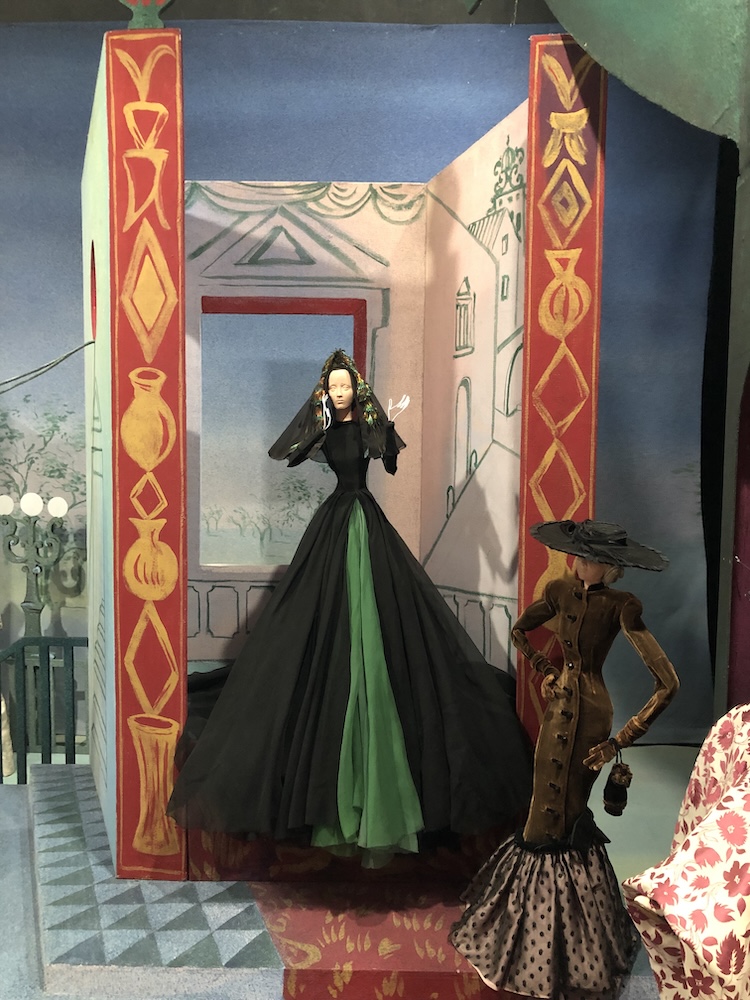
Because Chanel left Paris, she was not part of the post war effort to reestablish haute couture and raise money for French Relief organizations. Shortage of materials prevented a full- scale fashion show put on by the reigning designers, but Nina Ricci’s son came up with the idea to use 30-inch high wire mannequins for “Le Théâtre de la Mode.” Designers created miniature versions of their dresses and accoutrements, an artist sculpted pottery heads, a set designer created the settings, and every detail from purse to shoes to necklaces to hats was produced in meticulous miniature. “Le Théâtre de la Mode” was a rousing success and travelled the world. Today it is part of the Maryhill Museum of Art collection in the state of Washington.
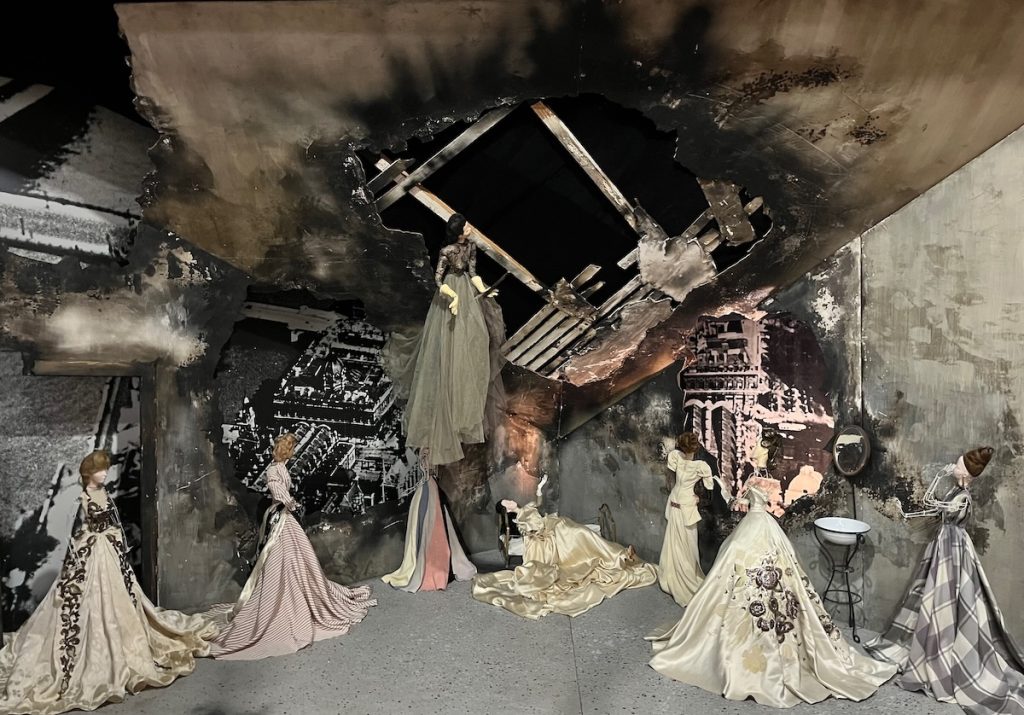
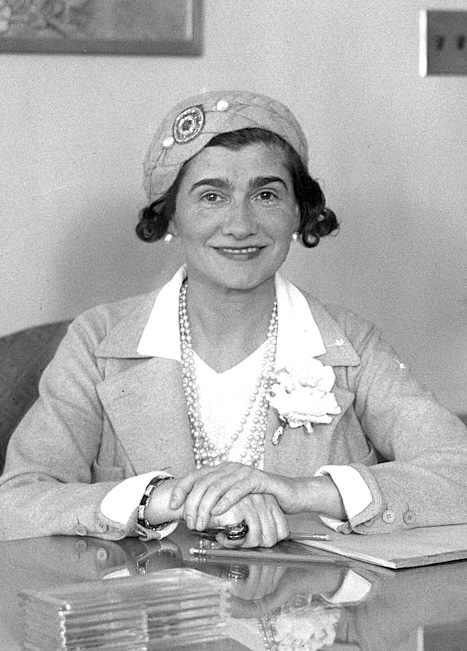
(via Wikimedia Commons)
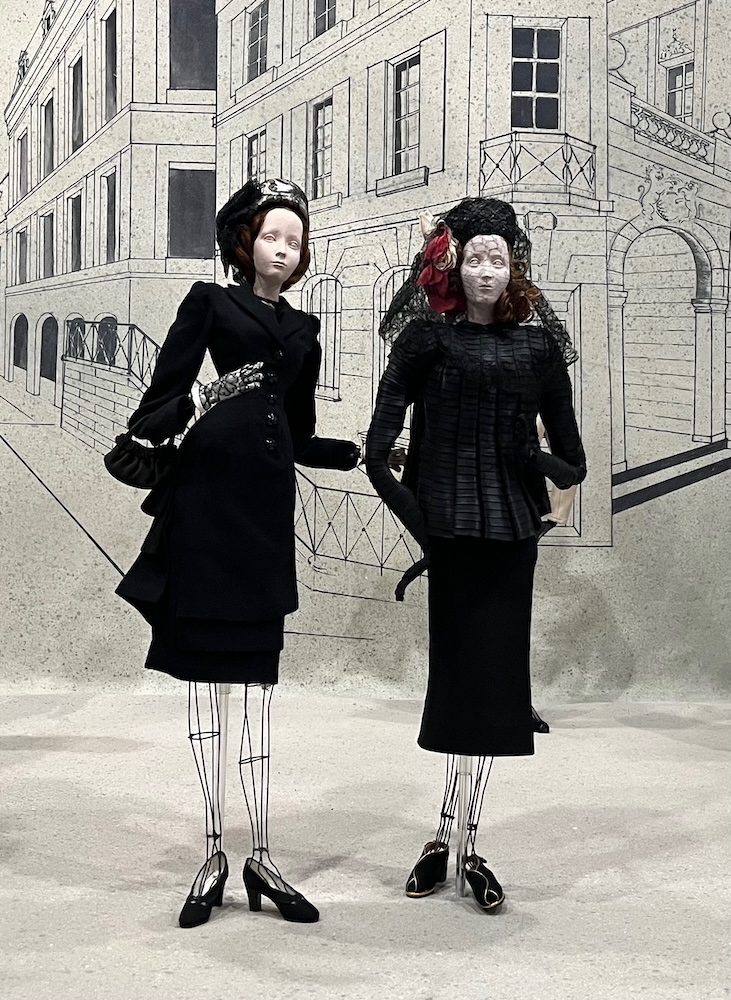
On October 24, Couture Fashion Museum will be hosting the exclusive West Coast premiere of the book Chanel in Vogue from 2 to 4:30 pm at 1525 State Street. The event will feature the authors, a special photographic exhibition from the book which was published by Thames and Hudson, a presentation by a former Chanel technical designer and draper, and a French inspired afternoon tea.
Tickets, which include a copy of the book, are available from www.couturepatternmuseum.com/event-details/chanel-in-vogue
And, as a last note from the world of fashion, I offer this quote from Oscar Wilde. “One should either be a work of art or wear a work of art.” I wonder what Oscar would have to say about the art of just being or doing a piece of work.
Sources: Contemporary news articles; Coco Chanel by Biography.com; Wikipedia; Morning Press articles from 1924; Maryhill Museum; Santa Barbara Historical Museum collection details; “Le Théâtre de la Mode” by Valerie Steele in ARTFORUM, accessed September 18, 2026; Santa Barbara Independent 2019; “The Coral Casino” by Hattie Beresford, Montecito Journal, date unknown.
You might also be interested in...




You must be logged in to post a comment.