
The Revolt of the Flappers Redux
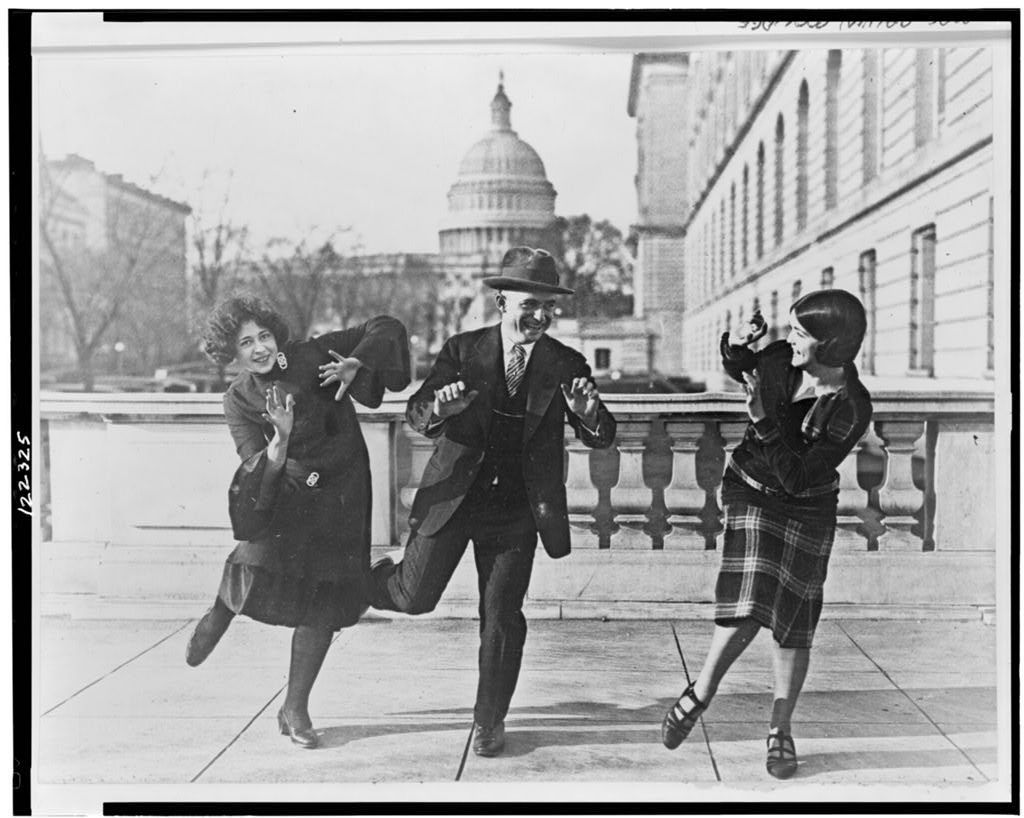
The 1920s saw the result of worldwide revolutions, not the least of which, according to Frederick Lewis Allen in Only Yesterday, was a revolution in manners and morals. Women, who up until then were considered the guardians of morality, were getting their sexual hangups psychoanalyzed, bobbing their hair, revealing their gams, and wearing rouge. The waltz and minuet were replaced by the Charleston and the “indecent” fox trot, and the violin by the “barbaric” saxophone. Worse still, girls were smoking cigarettes, frequenting juice joints and necking with drugstore cowboys.
The “problem of the younger generation” was discussed by the schools, churches, and news editors while parents lay awake at night worrying about their wayward children. Santa Barbara and Montecito were not immune to these controversies. Periodically the Morning Press printed “informative” articles aimed at those deviating from conventional standards.
Flapper Style
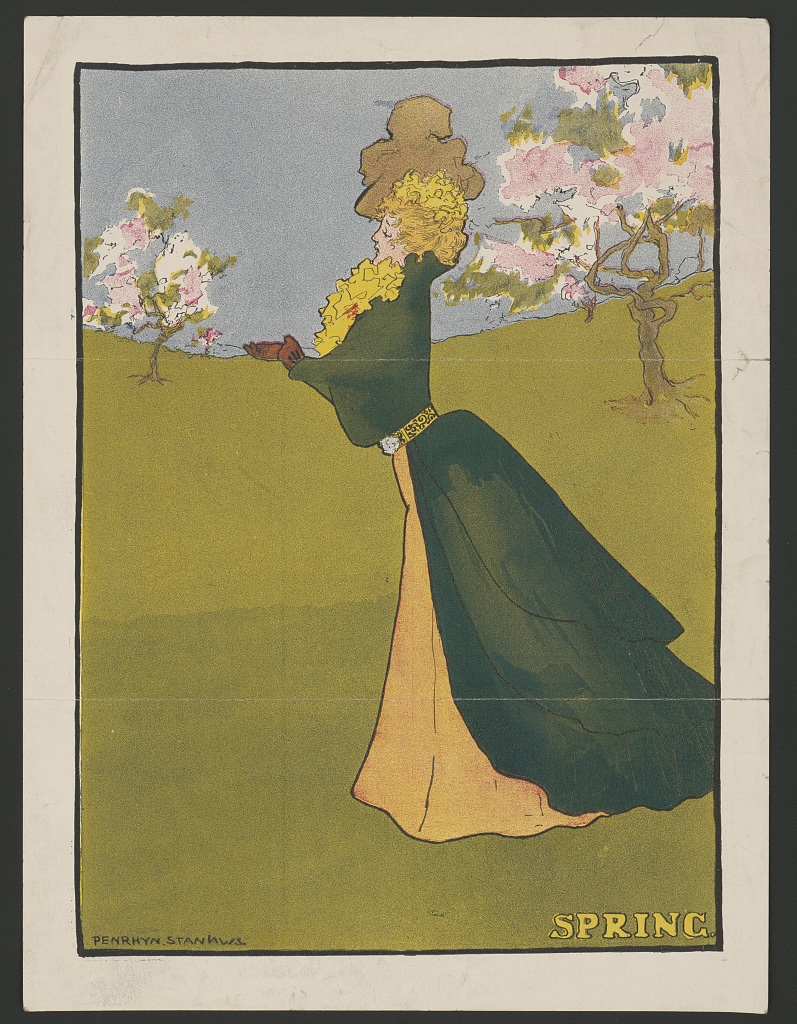
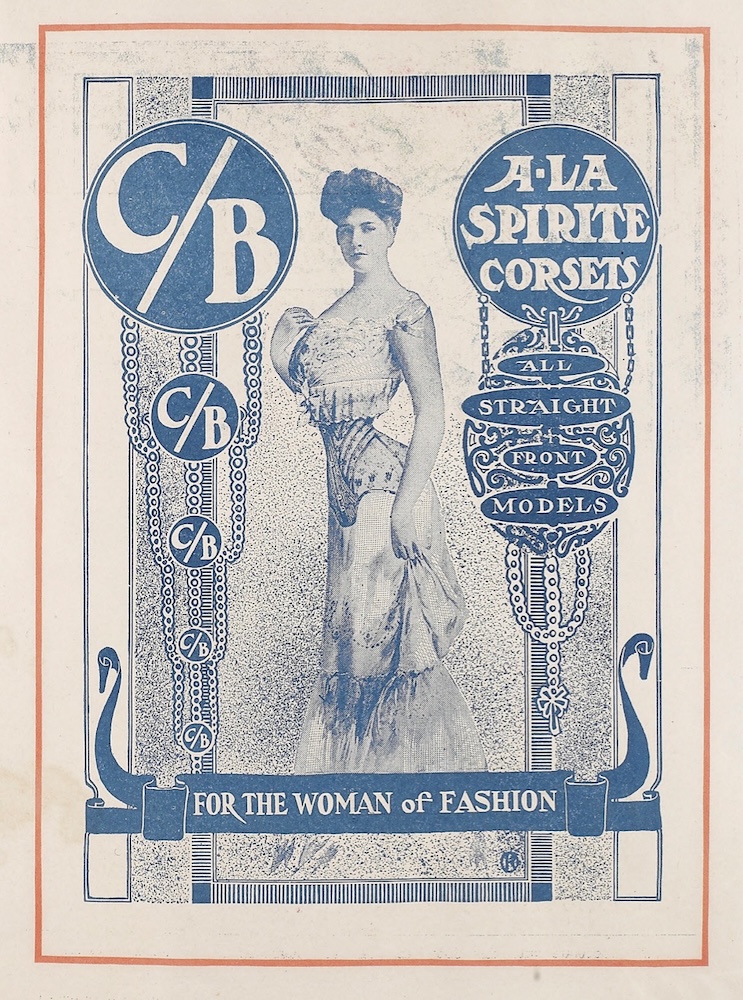
In 1920, the New York Times reported “…the American woman … has lifted her skirts far beyond any modest limitation!” Hemlines were a shocking nine inches above the ground. The President of the University of Florida declared that low-cut gowns, rolled hose, and short skirts were “born of the Devil.”
In 1925, a Morning Press article referred to the Pope’s campaign against women’s immodesty of dress. Archbishop Shaw of Louisiana commented that the clothes worn by many women upon the streets of New Orleans were an invitation to insults. It was up to high-minded women to declare what constituted modesty of dress, he said, “for it is a sad fact that in such matters many women are without conscience.” Fanny Flapper just rolled her eyes and intoned, “You’re all wet!”
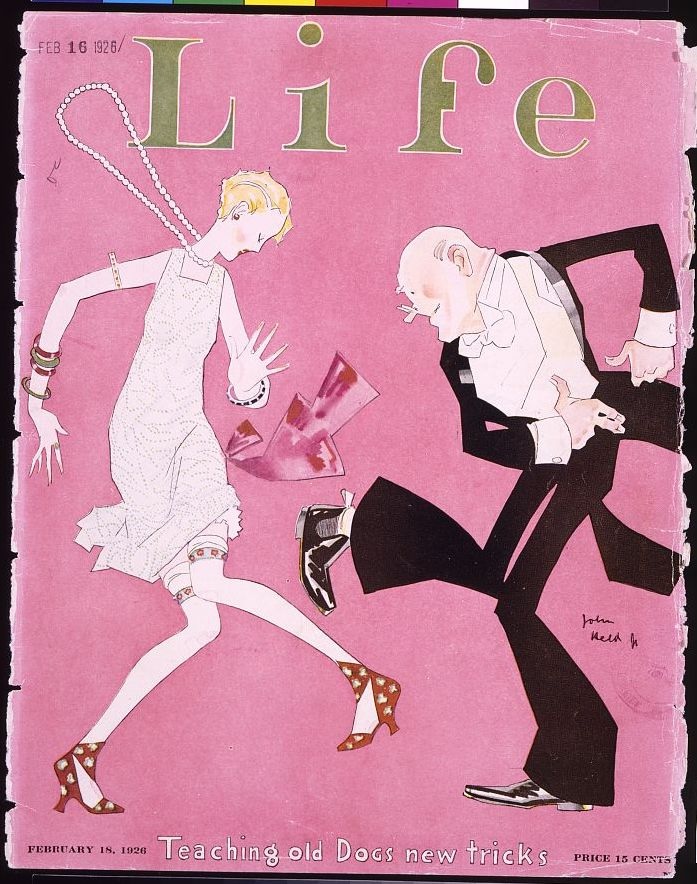
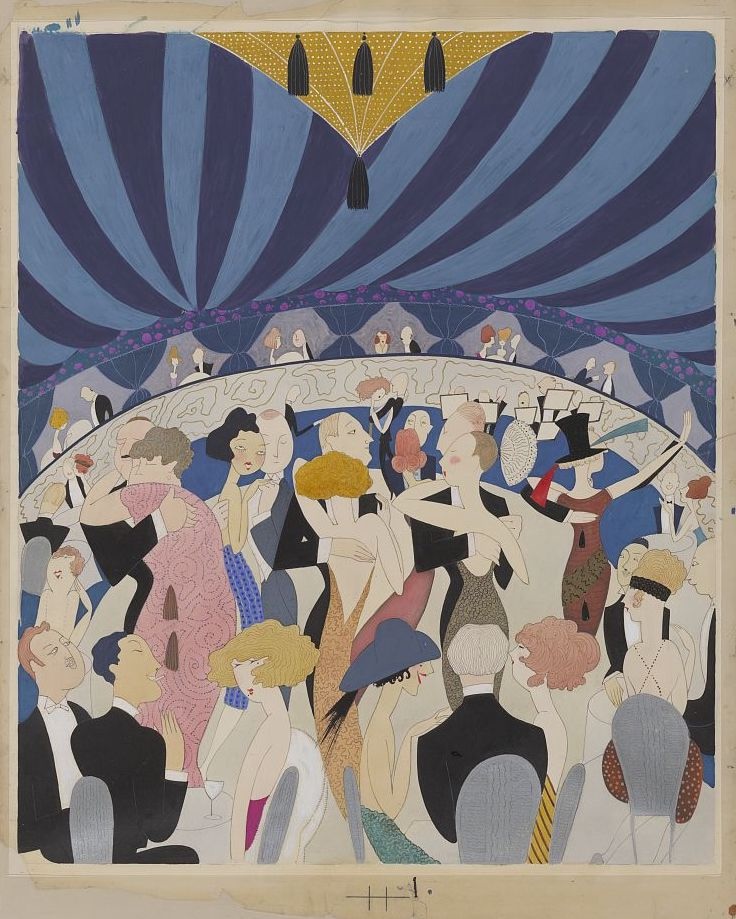
Throughout the nation, efforts were made to abolish the flapper look. The Y.W.C.A. promoted modesty of dress, and Philadelphia formed a Dress Reform Committee. Over a thousand clergymen added to their pastoral duties by emulating Coco Chanel by turning their haute couture talents into the design of a “moral gown.” The resulting dress was very loose-fitting with sleeves below the elbows and a hemline only seven inches above the floor. (Sort of like a clergyman’s robes or a potato sack.)
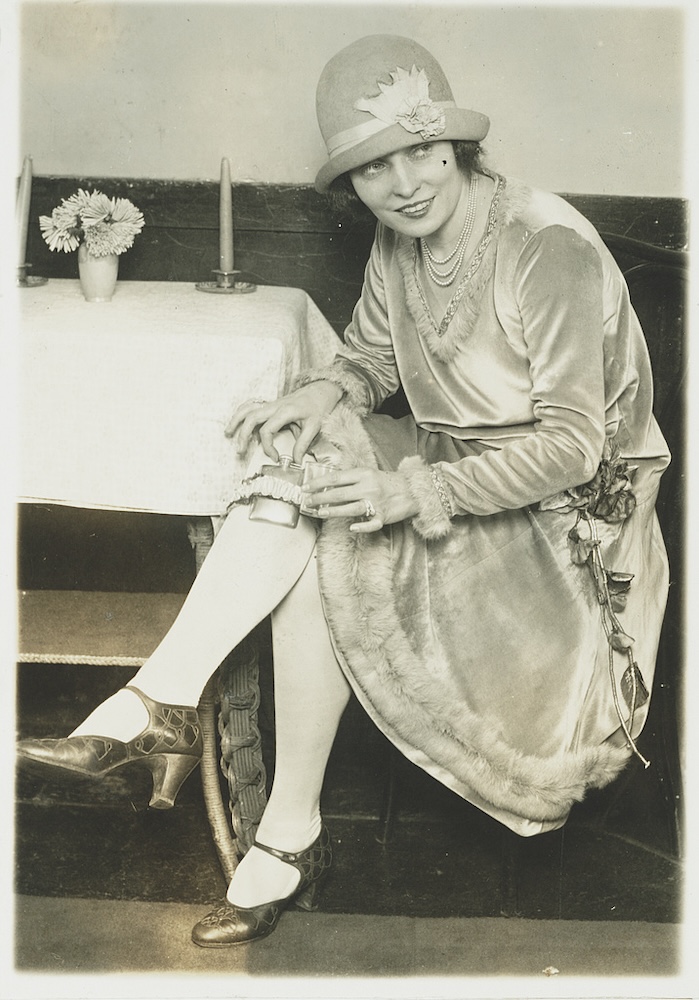
Bluenoses in the state legislatures went further and proposed dress codes backed by fines and imprisonment for violation thereof. Utah wanted to limit hemlines to three inches above the ground, and Virginia and Ohio wanted to limit décolletage to two inches. No more turned up nose and turned down hose!
Once the purview of women of loose morals and actresses (the two not being mutually exclusive in the minds of some guardians of morality in the 1920s), lipstick and rouge became vogue for even the girl next door. As the decade progressed, even nice girls were plucking their eyebrows, powdering their noses, rimming their eyes with kohl, and painting heart shapes on their lips. Their mothers were singing “No Man’s Mama” and undergoing a new surgery meant to restore lost youth; the facelift.
Not getting anywhere by chastising their daughters for looking like hootchie-kootchie girls, the Mrs. Grundys of Santa Barbara were happy when in July 1925, the Morning Press reported a dermatologist’s warning that “Skin ills and homeliness follow use of powder and paint.” A Professor H.N. Cole spoke before a convention of the American Medical Association claiming facial disfigurements threatened to become epidemic in proportion because in 1921 American women spent $75 million dollars more on cosmetics than they had in 1919.
Equality of Vices
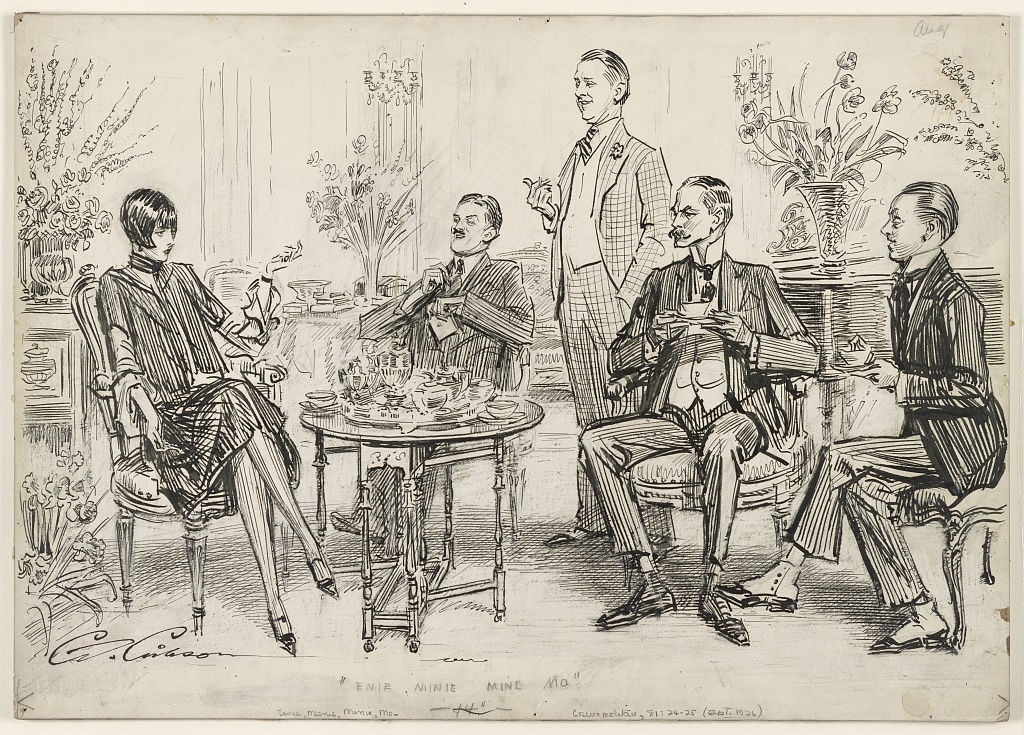
Having popularized the Gibson Girl look in the 1890s, Charles Dana Gibson depicted a new feminine ideal in the 1920s (courtesy of Library of Congress)
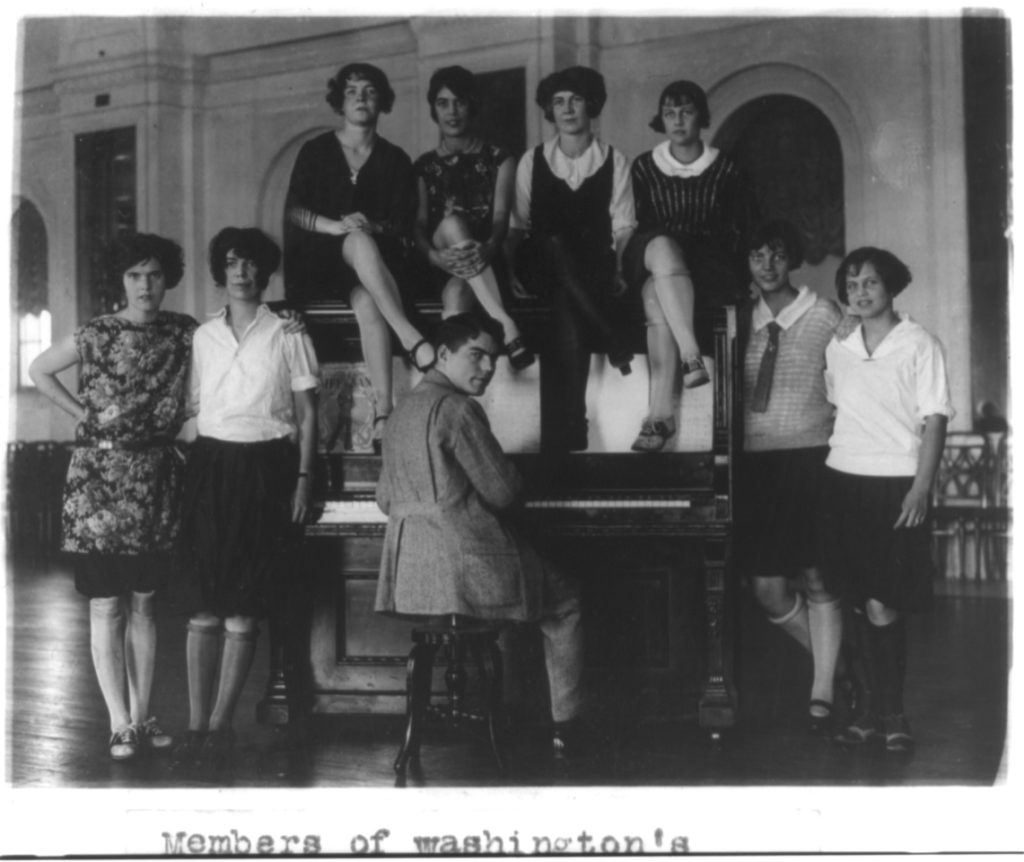
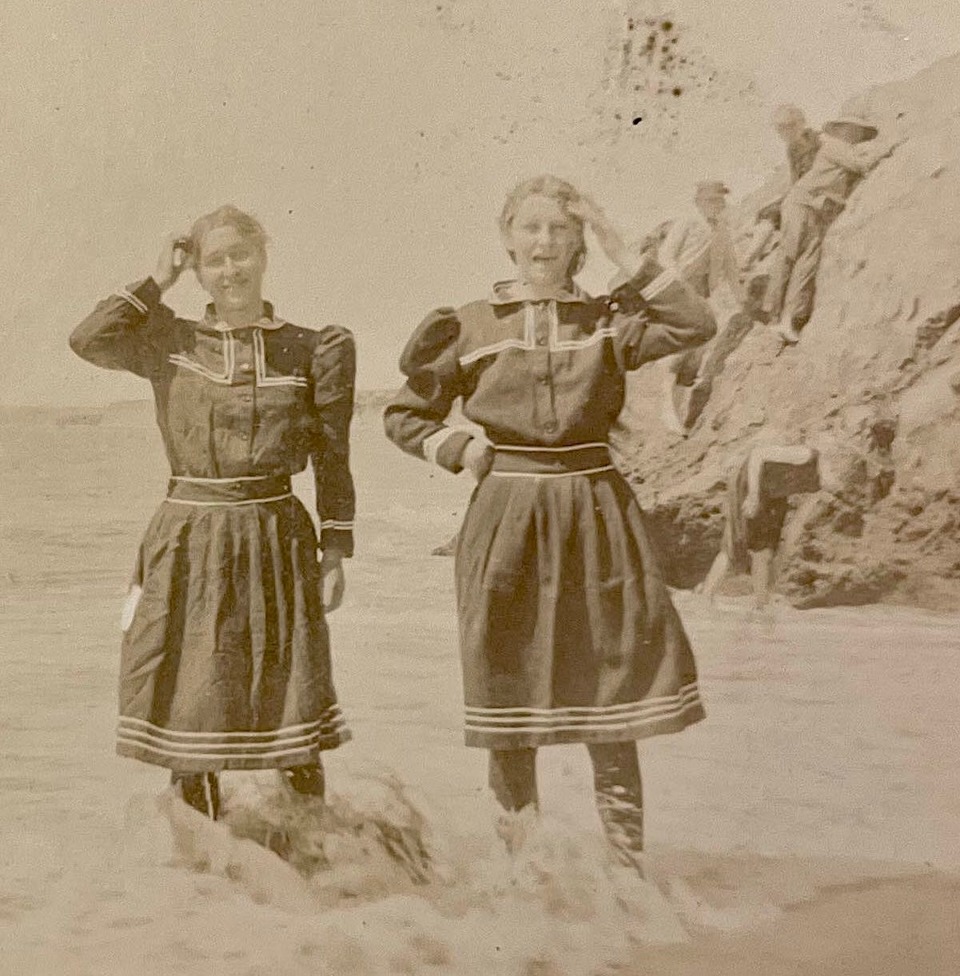
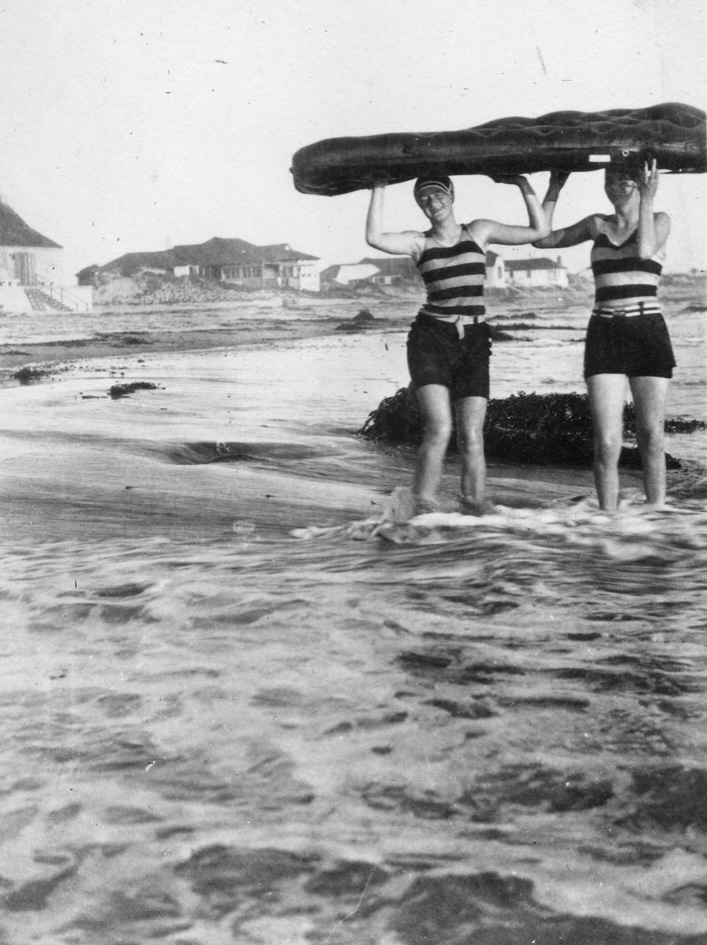
In 1923, turned-down hose, rouged knees, bobbed hair, and scandalously short skirts became all the rage, much to the consternation of the Mrs. Grundys of the world (courtesy of Library of Congress)
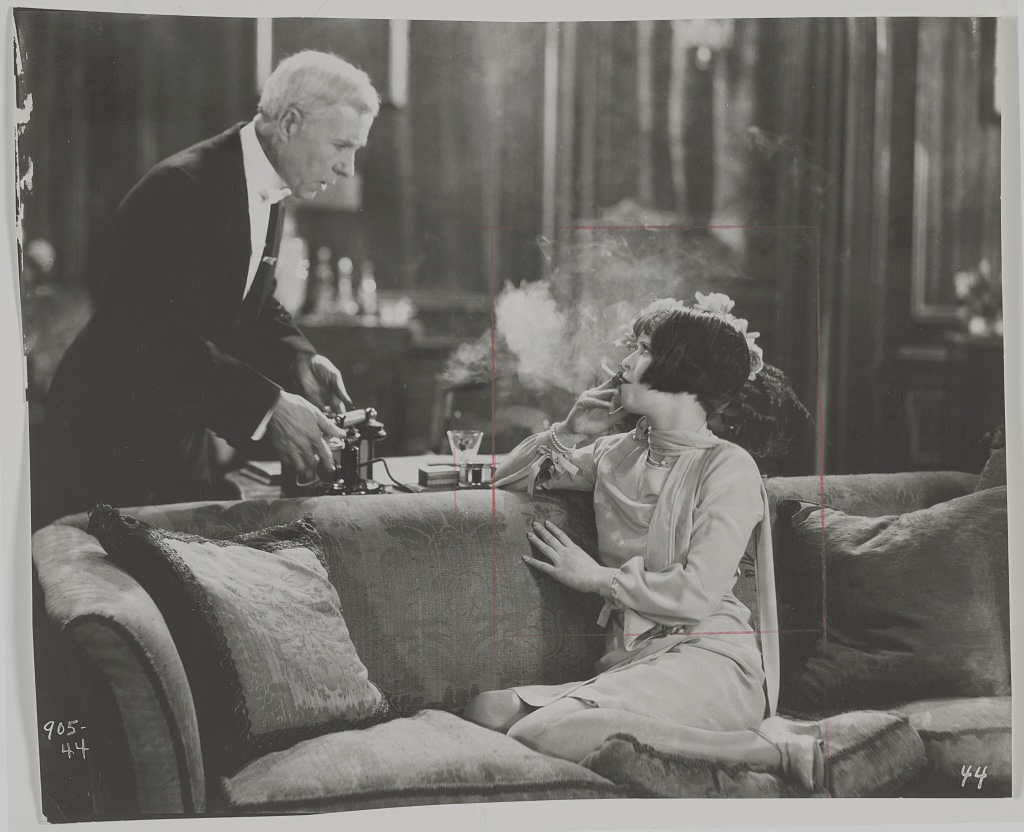
In the 1926 silent movie Dancing Mothers, Clara Bow as “Kittens” Westcourt shows her equality with men by smoking, drinking giggle water, and talking on the phone. (courtesy of Library of Congress)
Another symptom of women’s rebellion against Victorian morals and an assertion of their new political equality with men was smoking. Women smoked openly and theatrically. To counteract this new abomination, the Morning Press published the opinion of Dr. R. Hofstetter, a noted Viennese gynecologist who had written a book entitled The Smoking Woman.
Hofstatter claimed that the features of smoking women were sharper and the skin overly taut. “The lips,” he said, “lose their natural color and become pale … and there is a tendency for the lower lip of a female smoke addict to project further than the upper lip. Through this gradual change, the features of the smoking woman become more-and-more masculine.” (Men, of course, were immune to these effects and could continue to smoke, it being a manly thing to do.)
Women learned to drink during the era of bathtub gin and speakeasies. Another assertion of their equality with men, their tippling wasn’t always cosmopolitan. In August 1925, Mrs. D. Keith of Santa Barbara led the police on a frantic, drunken chase after Captain Baker stopped her for speeding at Anacapa and East Cabrillo Boulevard. According to his testimony, she had no driver’s license and addressed him profanely. When he told her she was in no condition to drive, she said, “No one can tell me how to drive my own car!”
She threw the coupe in gear, knocked over Captain Baker’s motorcycle and raced away. Righting his damaged motorcycle, Baker gave chase with siren blaring. After reaching speeds of 58 miles per hour, Mrs. Keith’s motor seized up at the corner of Anacapa and Canon Perdido.
According to Captain Baker, Mrs. Keith, in her spifficated state, continued to vilify him and resist arrest. In her car he found a thermos of whiskey. At her trial Mrs. Keith claimed, “That whiskey was prescription whiskey; Dr. _______ gave me the prescription.” This being now but that being then, Judge Rizor let her off with a $250 fine and a stern warning.
The Moral of the Play/ Censorship
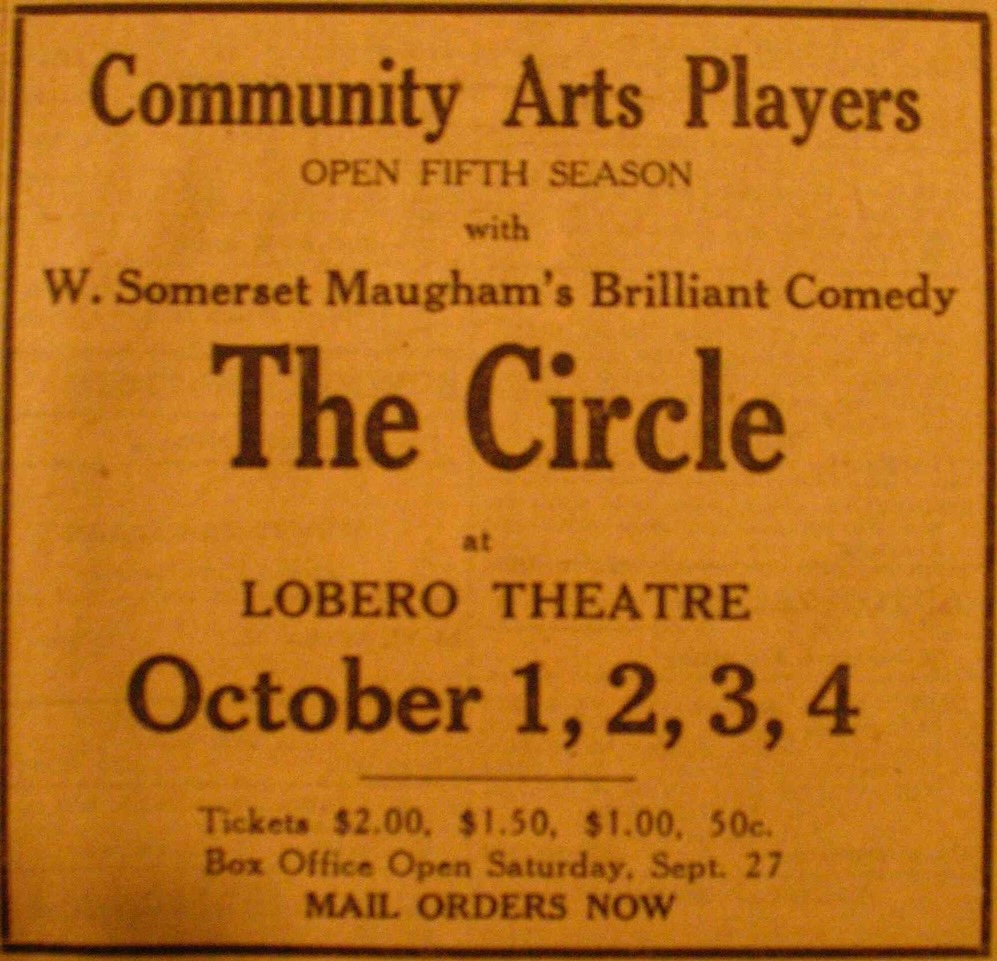
On September 24, 1924, the Morning Press announced, “Santa Barbara and Montecito can prepare for the worst. Their morals are due for a shock!” The Community Arts Drama Committee, despite stiff and vociferous opposition, had agreed to produce William Somerset Maugham’s The Circle at the Lobero Theatre.
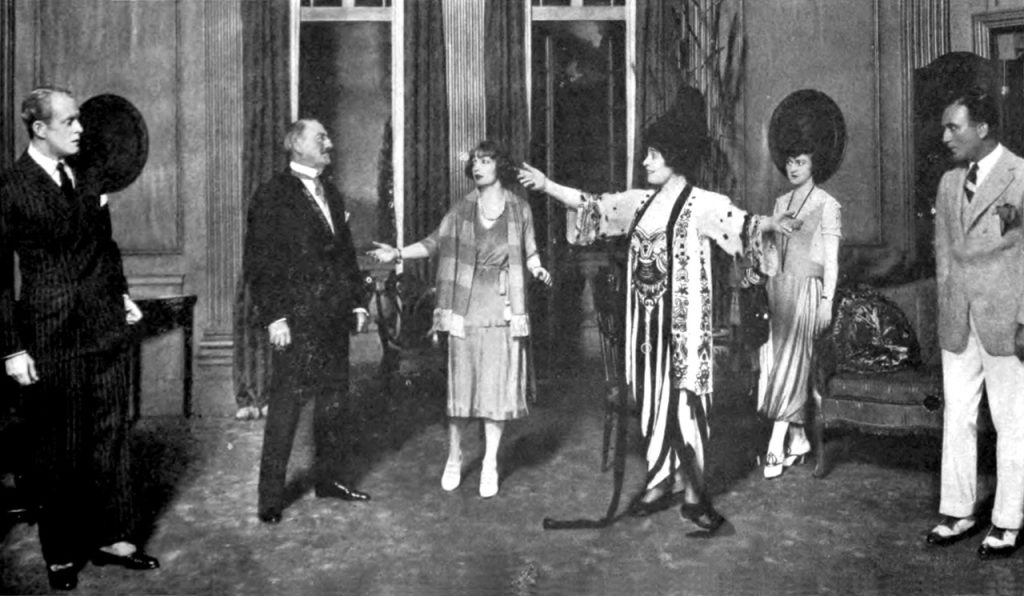
Opening on Broadway in 1921, the play was an elegant social satire. It was set in 1919, 30 years after Lady Kitty had run off with her husband’s best friend, Lord Porteous. The story revolves around their visit to her now-grown son and his wife, who is also considering running away with an illicit suitor. To complicate things, Lady Kitty’s husband arrives, and the stage is set for what promoters of the Shaw Festival’s 2007 revival of the play called, “a deliciously subversive sendup of the convention of marriage,” or as Fanny Flapper would say, “The Bee’s Knees!”
Apparently, the play was too hotsy-totsy for some members of the Santa Barbara Community Arts drama committee. They stood firm in saying that “Santa Barbara must not be corrupted and must be protected from the immoral influences of the modern play.”
Three members quit the committee, and one Montecito matron claimed to have gathered over 100 signatures in protest.
After the directors of the Community Arts Association were challenged to actually read the play before passing judgment, they agreed that The Circle was copacetic and could be performed at the Lobero because it taught a moral lesson.
After the play, reviewer Sarah Redington didn’t believe that the audience profited from the moral of the story in The Circle. She wrote, “I doubt very much if the play gets over as more than a clever comedy – too cynical to please a great many people.”
The editor of the Morning Pres, however, felt that Redington was all balled up. He wrote, “Is it absolutely essential, then, that a play shall unfailingly teach a moral?” A playwright, he said, should be free to explore some slice of life which he sees as interesting, amusing or significant. He should not be obligated to provide a moral lesson. He felt the play was the cat’s pajamas.
As the wailing saxophone played on, Santa Barbarans joined the rest of the nation as it struggled to come to terms with the tremendous changes in morals, values, and manners that found voice during the Roaring Twenties.
Sources: Only Yesterday by Frederick Lewis Allen, contemporary news articles, and http://local.aaca.org/bntc/slang/slang.htm)
This article was originally published in the March 18, 2010, edition of the MJ and has been augmented and minimally revised
You might also be interested in...




You must be logged in to post a comment.