
A Crown Jewel: Jada Elevates Paso’s Wine Scene, and One Family’s Legacy
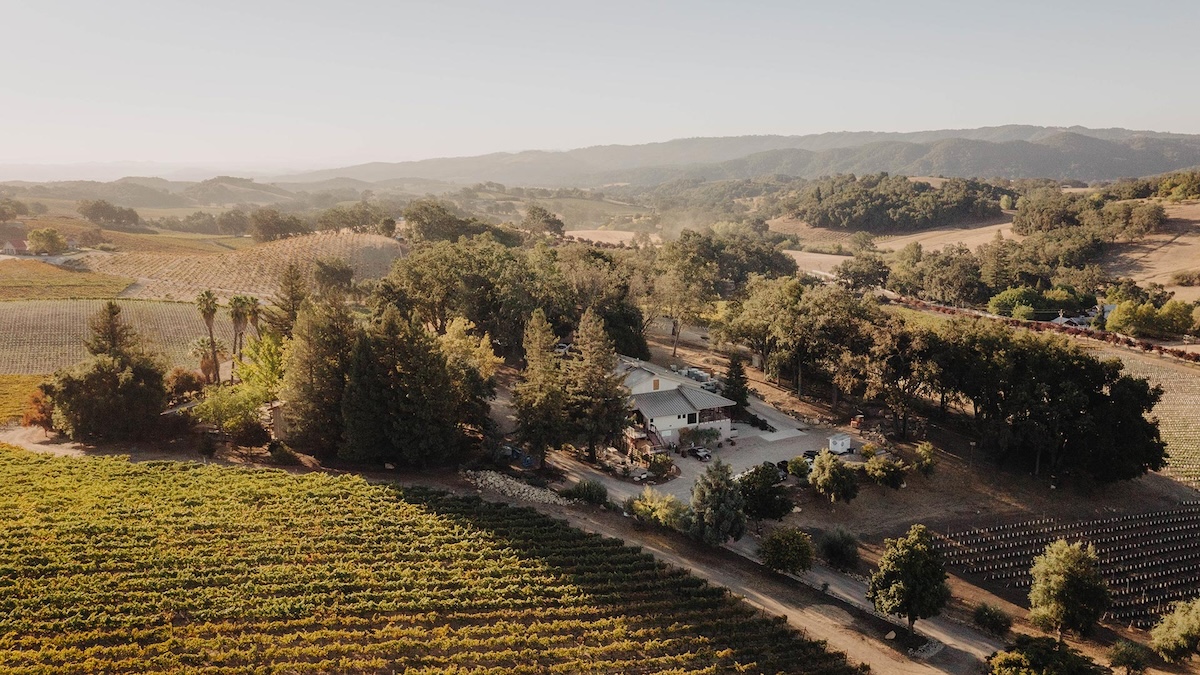
The Jada estate is stunning. Its 95 acres are sloped and terraced, tucked into steep hillsides, and the towering oaks dappled across the rolling ridges of the woodland floor, with their twisting branches and dense green canopies, cast constant shadows. It all coalesces to mirror beautifully the dramatic, rugged charm of the Paso Robles wine growing region itself.
If it feels like time has come for your next wine country escape, this is the place for you.
The undulating terrain, of course, which elevates to more than 1,100 feet above sea level, becomes part of the way wine is grown in this pretty pocket of the Willow Creek District AVA. Vines are planted to follow the natural pitch of the hillsides rather than the valley floor, creating a patchwork of micro-exposures where vines catch sunlight at different angles throughout the day. The soil – a subterranean grid of chalk, limestone and shale – invigorate a root system that spreads out across 55 acres. And maritime winds, driven through the Templeton Gap from the coastline shores just 17 miles away, create a diurnal cadence of highs and lows that galvanize the grapes.
What’s become obvious in the years since the 55 acres of grapes were planted here in 1999 is that these conditions, as a whole, become a perfect habitat for Rhône and Bordeaux varieties: syrah and grenache, as well as cabernet sauvignon, merlot, malbec and petit verdot. Two specialty red varieties also grow here – graciano and tannat, both rarities in California – with remarkable results each vintage.
Jada was founded by the Messina family, second-generation Sicilian immigrants via New York City. The name, Jada, blends Hebrew and Eastern symbols – “ayden,” or “thankful one,” and jade, a sign of perfection.
When the Riboli family acquired Jada in 2021, it became a bespoke addendum to an impressive global portfolio. The family’s viticultural footprint is rooted in the historic San Antonio Winery, founded in 1917, today a thriving destination winery in downtown L.A. And their primary revenue engine is Stella Rosa, the semi-sweet, semi-sparkling Italian line that remains the No. 1 selling imported wine brand in the U.S.
To these, the multi-generational enterprise has recently added several premium vineyard holdings, to the tune of more than 1,000 acres across Paso Robles, Monterey and Napa. Of newsy note this summer is San Simeon, which just this week opened the gates to its Paso estate – just a five-minute drive from Jada – to the public. The latest perfect excuse for a culinary escape to SLO County, the estate features a full-time culinary program and a diverse menu of wine-and-food pairings, with vineyard vistas to match. San Simeon wines, all estate-grown from certified sustainable vineyards and made by Winemaker Brian Benson, are a remarkable value: most bottles sell in the upper teens and twenties, with a couple of reserve gems, like the Stormwatch ($70), a high-scoring Bordeaux blend.
Bringing Jada into the fold five years ago represents a deliberate move by the Ribolis to go single-estate and high-end, and it’s become the family brand’s crown jewel since. Despite the corporate ownership change, and intent on building out Jada’s small lot focus and boutique cachet, the Messina family’s General Manager, Josh Messina, remains at the helm. And Nate Hall, who joined Jada as assistant winemaker in 2017, remains in the cellar; the Riboli family promoted him to head winemaker in 2024.
I joined Nate recently for an introductory tasting of the Jada portfolio. We considered sipping at the Tree House, perched on a hillside, with an indoor tasting bar, covered outdoor deck, and sweeping views. But we ambled toward the Oak Lounge instead, a breezy, relaxed outdoor space under the oaks, with private table seating and, for coziness’ sake, firepits and ambient lighting.
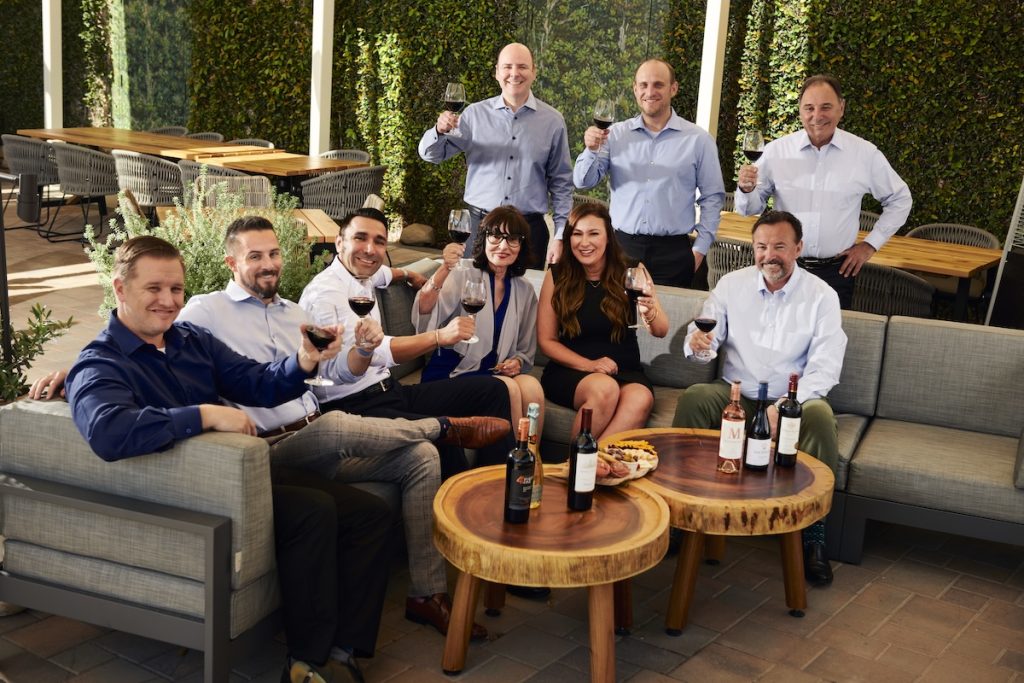
Nate’s journey to the winery was atypical. The ‘06 Cal Poly SLO grad earned his bachelor’s in ecology and biology, and he went on to teach marine biology at his alma mater. He pivoted to wine in 2013 – at Sextant, another Paso powerhouse – and joined Jada four years later.
To hear Nate speak about winemaking, though, is to gain insight into a balanced and comprehensive approach – a method informed by a broad-view understanding about connectivity in the natural world. The caliber of the grape on the vine is directly linked to the health and vigor of the environment around it. Nate was a leading force, in fact, behind eco-friendly initiatives that earned Jada sustainable certification from the California Sustainable Winegrowers Alliance in 2022, and full organic certification the following year.
Nate tells me his goal is to make wines that are “finessed yet approachable,” and “restrained yet alive.”
The 2025 “1149” Rosé ($38) is aromatic, zingy and fresh; a nod to the estate’s pinnacle elevation of 1,149 feet, it’s all-grenache.
The 2024 Lotus Eaters Sauvignon Blanc ($65) is one of only two Jada wines sourced off-estate; these grapes come from acclaimed Vogelzang Vineyard in Santa Barbara’s Happy Canyon AVA, and the wine is vivacious and clean.
The red wine lineup includes nods to the founding Messina family’s Big Apple roots. The 2021 Hell’s Kitchen ($72) is a silky syrah-graciano-grenache blend that critic Jeb Dunnuck scored 98 points; it has dark red fruit notes and a long finish. And The 2022 Jersey Girl ($72), a 95-pointer from Dunnuck, is a syrah-leading blend that’s rich and dark, rounded and refined. A friend tasting along suggests “this would go great with a paté, or some foie gras!”
The 2021 SawBones ($82) is a nearly 50-50 cabernet-syrah, and is both intense and elegant. The name’s a nod to founder Jack Messina’s original career as a cardiothoracic surgeon.
And the 2021 “Passing By” Cabernet Sauvignon ($92) is gritty and expressive.
Some wines, like a 2021 Tannat ($82) and a 2021 Cabernet Sauvignon ($120), fall under Jada’s WCS category, or Wine Connoisseurs Series; limited-production specialty bottlings pulled from barrels, and showcasing exceptional intensity and expression.
And just launched – Jada’s new ultra-luxury wine line, Empire. With a name that’s another NYC nod, and a label inspired by Gotham’s Art Deco architecture, the wines were launched just this spring and are only produced in exceptional vintages. The Grand Vin, a Bordeaux blend, is aromatic, extracted and textured; there’s also a Syrah ($130) and a Cabernet Sauvignon ($150).
And one last note: Jada’s also home to an orchard with seven Italian olive varieties that are only poured at the Paso property; the estate extra virgin olive oil is featured in their charcuterie options and sells for $30 for a 375ml bottle.
Find out more and schedule your visit at jadavineyard.com
You might also be interested in...




You must be logged in to post a comment.