
Judging From Glass to Gold
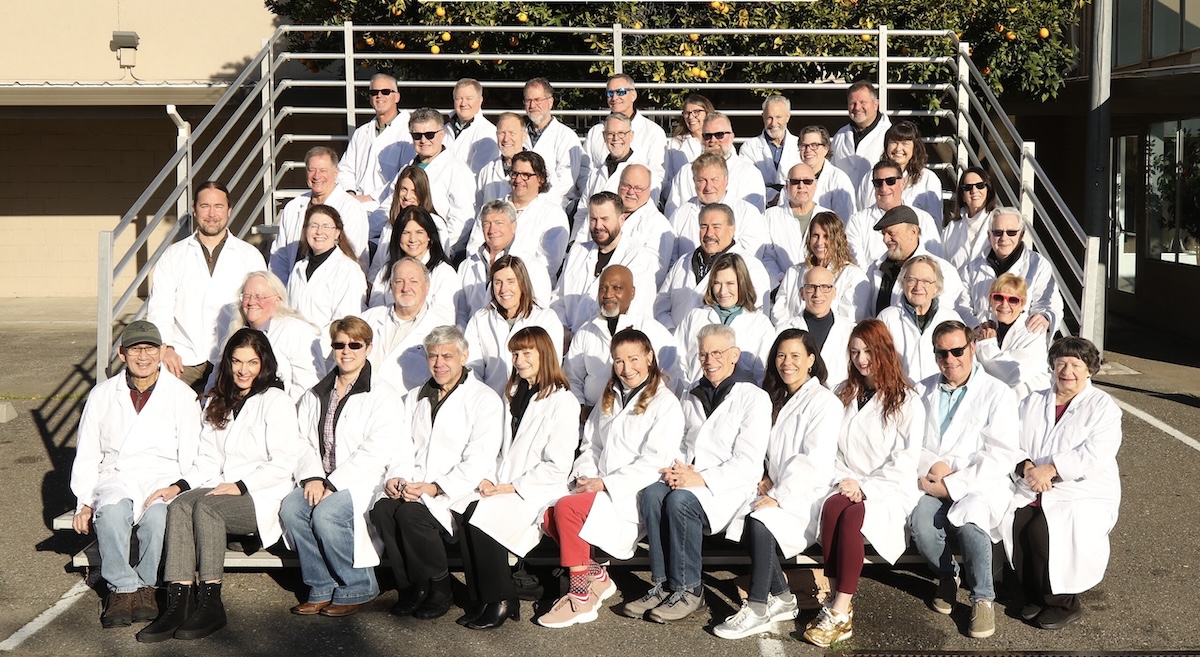
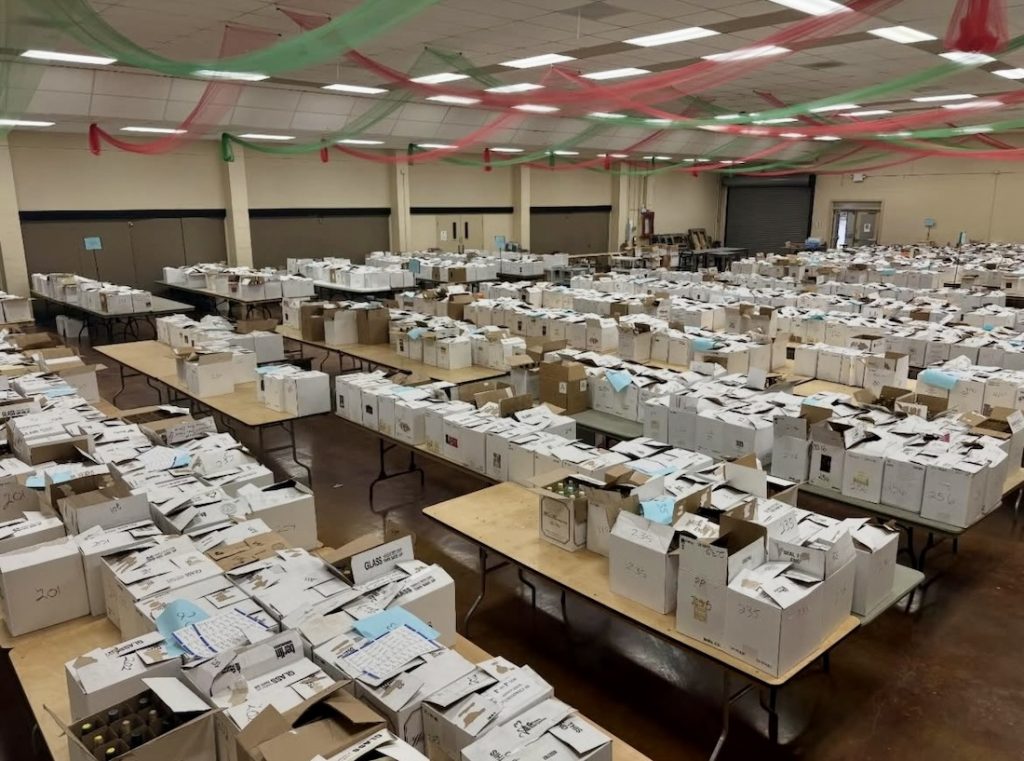
Each January, the historic halls of the Cloverdale Citrus Fairgrounds transform into one of the most important tasting rooms in North America. Long tables draped in white cloth line the space, and these are covered with thousands of carefully poured glasses. Judges arrive and don white lab coats, ready for days of focused evaluation at the San Francisco Chronicle Wine Competition, the largest and most respected wine competition in the country.
In January 2026, I returned for my fifth year as a judge, joining more than 50 industry professionals, to evaluate over 5,500 wines from more than 1,000 wineries. It is an experience that blends discipline, community, and deep respect for the craft of winemaking.
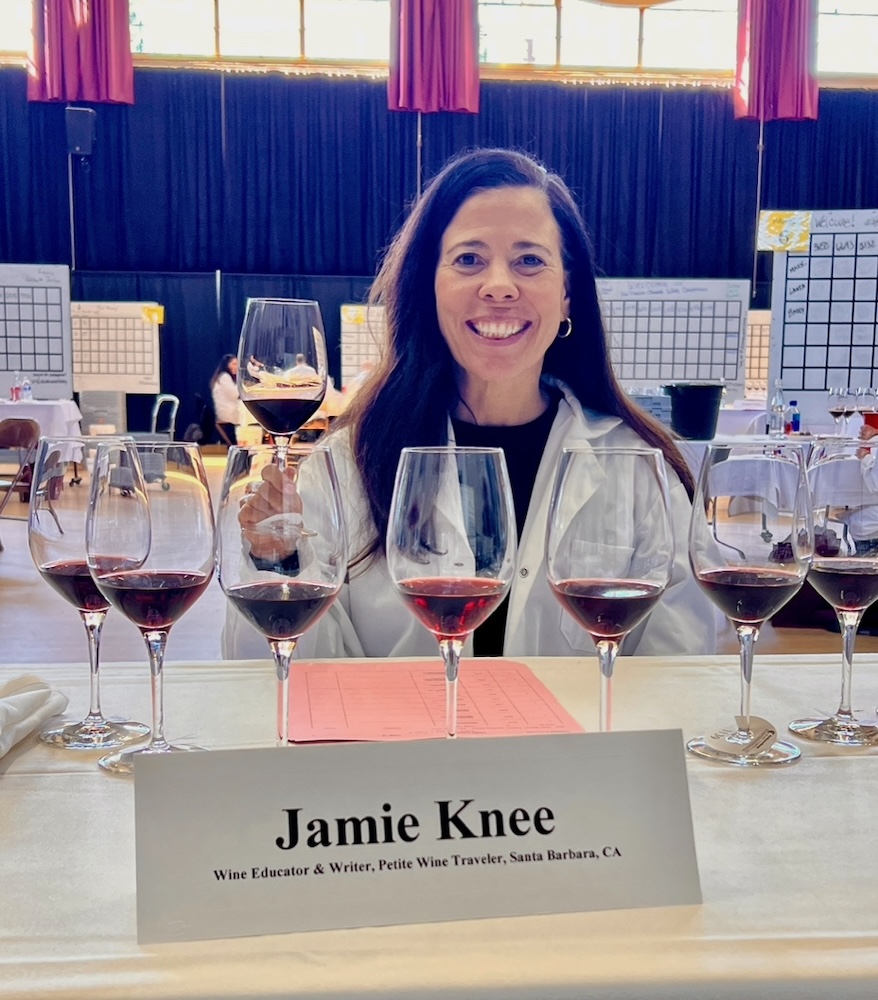
Each year, returning to Cloverdale feels like a professional homecoming. Many of us have not seen one another since the previous competition. We reunite at long tasting tables, catching up between wine flights before settling into the serious work ahead.
This sense of continuity matters. Over time, panels develop trust, shared language, and consistent standards. It strengthens the integrity of the judging process and reinforces the collaborative spirit that defines the Chronicle.
The San Francisco Chronicle Wine Competition stands apart for its commitment to diversity and representation. Its judging panels reflect the evolving wine landscape, with a broad mix of backgrounds, generations, and professional paths.
Judges include wine journalists, sommeliers, retail and restaurant buyers, educators, winemakers, and hospitality leaders. The panel reflects a rare balance of seasoned industry veterans and rising voices, with strong representation from women and younger palates shaping the future of wine. This diversity ensures wines are evaluated through multiple lenses: technical excellence, consumer appeal, market relevance, and cultural context. It is a forward-thinking model that recognizes how wine culture continues to change.
All wines are tasted blind. Judges know only the category and sometimes the price range. There are no labels, producers, or regions revealed. This keeps the process fair, objective, and focused entirely on quality.
To give you a sense of what a typical day of judging looks like, my panel brought together a thoughtful mix of perspectives: myself; a veteran winemaker whose career spans back to 1999; and a respected educator in viticulture. Together, we worked through a full day of tasting that included, for example, 10 Port-style wines, close to 50 white blends, more than 50 Merlot-led blends, and a handful of meads. It’s focused, collaborative work, with each wine discussed carefully as we calibrate our palates and perspectives throughout the day.
Each flight requires concentration, detailed notes, discussion, and consensus. We assess balance, structure, aromatics, typicity, and overall pleasure. Every medal reflects thoughtful evaluation and collective judgment. Wine judging is mentally demanding. Palate calibration, pacing, and discipline are essential. It is professional work grounded in experience and responsibility.
Wine competitions play an important role in guiding consumers. With thousands of wines on the market, medals help drinkers identify bottles that deliver genuine quality and value.
Great wine is not always expensive. A well-earned medal offers reassurance and encourages exploration. For younger and less experienced wine lovers, these signals are especially meaningful.
For producers, recognition can open doors to new markets and visibility. For judges, the responsibility is taken seriously.
The final day brings the Sweepstakes, when judges select top wines from each major category: Sparkling, Rosé/Blush, Specialty, White, and Red. In large categories, finalists can number more than 20.
This stage tests memory, instinct, and professional judgment. Seeing a wine you supported in blind tasting rise to the top reinforces the strength of the process.
2026 Sweepstakes Winners
-White: New Clairvaux Vineyard 2025 Viognier, Tehama County
-Packaging: Nola Grace 2021 Cabernet Sauvignon, California
-Specialty: Castello di Amorosa 2024 Late Harvest Gewürztraminer, Anderson Valley
-Sparkling: Piper Sonoma Brut Méthode Traditionnelle
-Rosé: Lewis Grace 2025 Estate Rosé, El Dorado
-Red: Pianetta 2022 Syrah, El Pomar District, Paso Robles
The competition is led by Bob and Scott Fraser, along with Cary Fraser, Alexandra Alvernaz, and an exceptional team of staff and volunteers. Their organization, consistency, and attention to detail allow judges to focus entirely on evaluation. Behind every smooth tasting flight is careful planning, coordination, and hospitality.
After nearly a decade on professional wine panels, I continue to value judging for its rigor and purpose. Each glass represents years of work by growers and winemakers. Each score carries real impact. Returning year after year is both an honor and a responsibility.
Wine lovers can experience the excitement firsthand at the San Francisco Chronicle Wine Competition Public Tasting on March 7, 2026, at Fort Mason Center in San Francisco. It is an opportunity to explore award-winning wines, meet producers, and experience the diversity of American wine in one setting. Cheers to the wines, the people, and the shared pursuit of excellence.
You might also be interested in...




You must be logged in to post a comment.