
A Season of Red: Five Central Coast Bottles to Buy Now
I don’t know about you, but when the calendar flips to December, I start seeing red. Red in the ambient glow of holiday lights, to be sure. And red in my wine glass.
Maybe it’s the cooler weather and the darker nights. Or the feel-good buzz of the most festive time of year. Or meals that are more rich, more flavorful and more communal. But the fact is, at our house chilly whites take a backseat to their crimson counterparts, making the holidays the perfect excuse to drink more red.
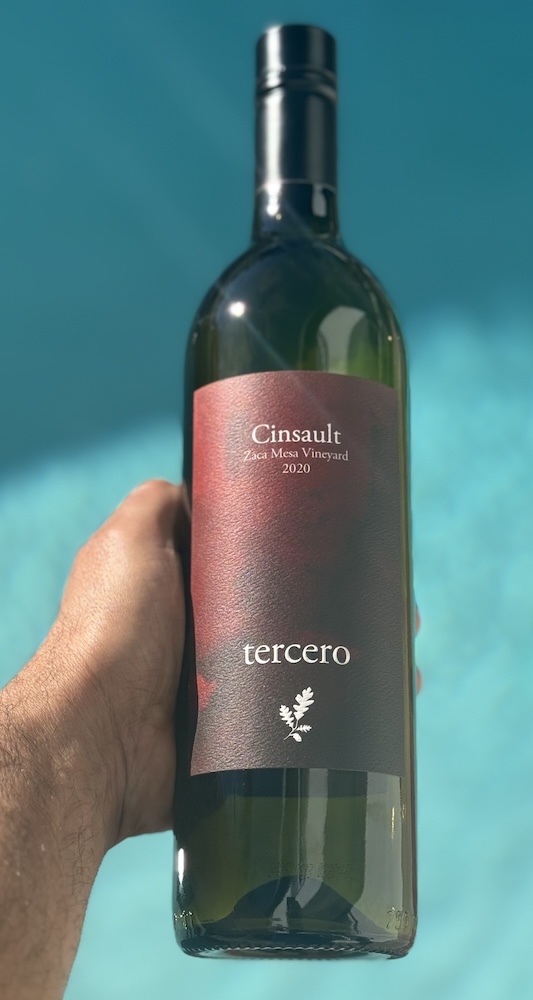
That’s why I popped the cork on the Tercero 2020 Cinsault ($40) last week. (Err, actually – unscrewed the cap; Tercero founder and winemaker Larry Schaffer has been all-screwcap all the time for almost two decades!)
Cinsault is a varietal I haven’t sipped in several years, to be frank, but a refreshing alternative to the pinots and cabs that tend to circulate a lot more regularly across our house. Pronounced “sin-so,” this Rhône grape is related to syrah and grenache, and it’s usually used as a blender – it’s rare to see it bottled as a standalone varietal. Schaffer says that’s got a lot to do with its size.
“Cinsault produces a huge berry, so the skin-to-juice ratio is a lot different,” says Schaffer, who use full grape clusters, stems included, when he makes this wine. “It doesn’t have a lot of color or structure, so I call it the ‘unplugged red.’ It’s like a beautiful acoustic guitar.”
The grapes for the 2020 Tercero Cinsault came from Zaca Mesa Vineyard along Foxen Canyon, in the heart of the Santa Ynez Valley; the property has since pulled its cinsault vines, though, most likely a byproduct of this rare wine’s limited market appeal.
It’s a red wine, though, well worth seeking out and, thanks to its approachability, one that’s perfect for the holiday table. It’s splashy and bright thanks to lower alcohol – 12.8% – and ringing acidity. And yet despite its lightness, this wine is surprisingly interesting, layered and complex, especially for a light red that’s more than five years old. It’s clear-crystal scarlet in color, with strawberry and cranberry flavors, accented by dusty and herbal notes, with a subtle savoriness in the finish. A pretty wine that could easily be served slightly chilled, this one’s a perfect pair with your favorite holiday duck, turkey or chicken dishes. Mediterranean and curried dishes would pair well, too. I enjoyed a couple of glasses with mushroom pizza.
Schaffer also uses cinsault in his Curiosity 1 ($40) blend, which also features Carignan and Counoise; it’s lively, fresh and super easy-drinking.
Tercero’s total production is just 1,500 cases a year. Find out more at tercerowines.com. Staying in the ruby realm, here are four other recent finds that I enthusiastically recommend for your next holiday gathering.
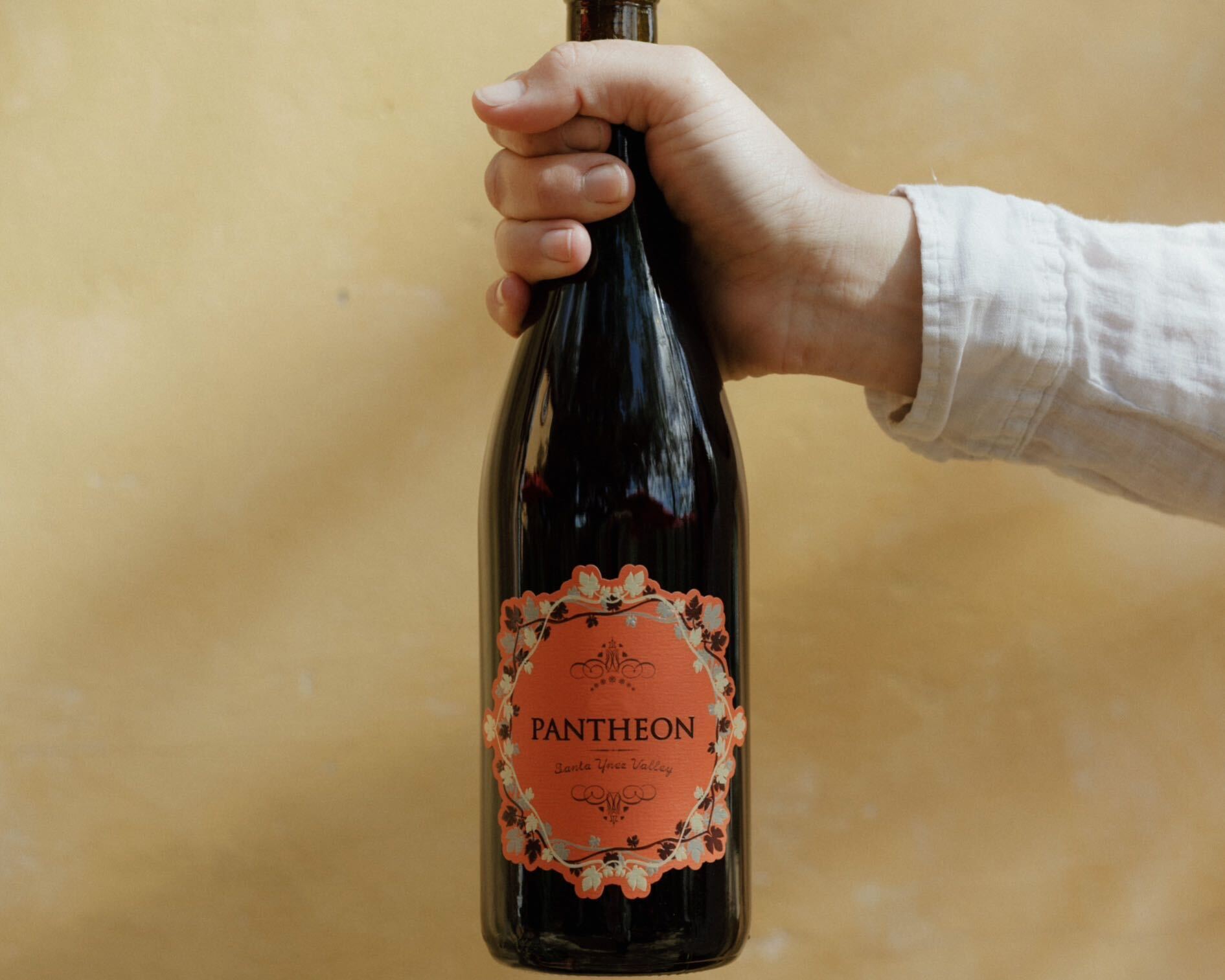
2023 Demetria Pantheon ($40): Demetria is down the road from Zaca Mesa, actually, and their Rhône grapes are also standouts. Their Pantheon blend features some of those more mainstream red varieties – grenache, mostly, with syrah and mourvèdre – that were fermented in stainless steel and concrete vessels and then aged for 18 months in neutral French oak barrels. That delivers a wine that’s bouncy and vibrant, with a refreshing tartness, ringing red berry flavors, and nuanced spice notes. Match with burgers, tacos, or herb-roasted chicken. The wine program at Demetria, which farms its grapes biodynamically, is led by Ryan Roark. Demetriaestate.com
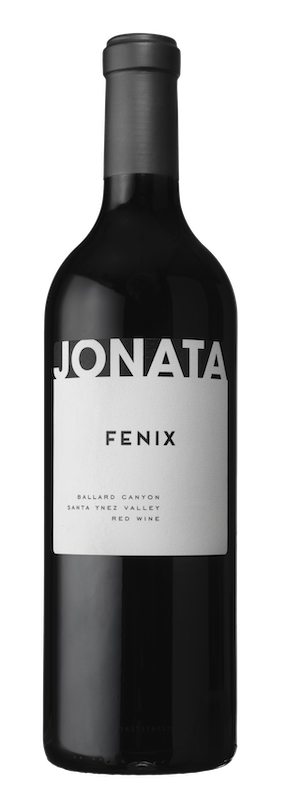
2021 Jonata Fenix ($95): While most of the Ballard Canyon AVA is recognized for its stellar Rhône grapes, winemaker Matt Dees and the Jonata team have also embraced merlot, proving that even this famous Bordeaux grape, with its own checkered story in the marketplace, can thrive in Santa Barbara County. The Fenix – the referenced mythological bird (albeit different spelling) rising from the ashes – is certainly symbolic of merlot’s own, recent commercial bounceback – is 77% merlot that’s blended with cabernet sauvignon and cabernet franc. The wine is fleshy and luscious, curvy but graceful on the tongue, with flavors of dark cherry, plum and cocoa, and a lengthy, generous finish. When you invite that friend over, the one who makes a mean Beef Wellington, pour this. jonata.com
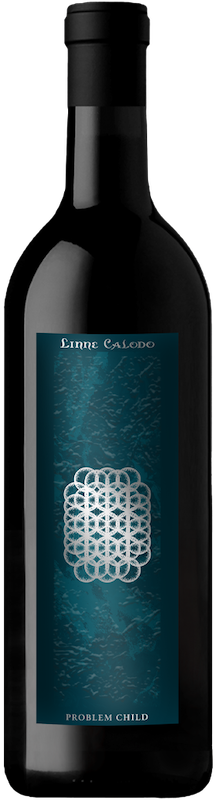
2023 Linne Calodo Problem Child ($95): This is my SLO pick for the festive season, and easily one of the best blends out of the Central Coast today. Makes sense, since Linne Calodo founder Matt Trevisan has been deeply committed to blends from the brand’s launch in 1998 – a brand that now enjoys its own earned cultish status. Zinfandel-anchored blends have been a special focus for Trevisan; his Problem Child, a nod to his own early zin-making challenges, is 58% zinfandel, with an eclectic supporting cast of mourvedre, syrah, Carignan and Graciano. The wine is deliciously exotic, with earthy, spicy, deep red fruit flavors, a voluptuous mouthfeel and – refreshingly – a lively, racy finish. A rack of lamb, a Shepherd’s Pie or grilled sausages would be a great match. linnecalodo.com
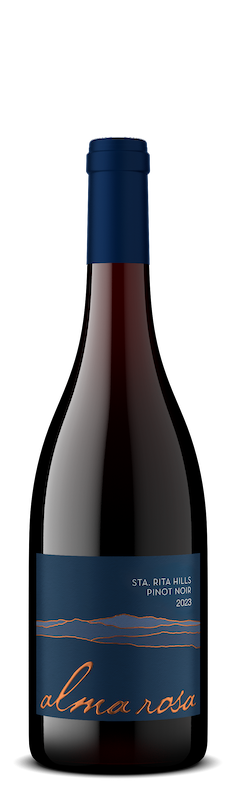
2023 Alma Rosa Sta. Rita Hills Pinot Noir ($55): This is a more traditional choice, and one that does not disappoint, for its elegance and delightful flavor profile. One of several vineyard-specific Alma Rosa pinots, this one is an especially lovely wine. Its primary fruit source is El Jabali Vineyard, established by viticultural pioneer and Alma Rosa founder Richard Sanford. Dubbed in Spanish for “the wild boar,” it was planted in 1983 and would go on to become Santa Barbara County’s first certified organic vineyard. With a sexy carmine color, this wine delivers blueberry and raspberry flavors that are lifted by cracked pepper notes, with a lively mouthfeel and firm yet refined tannins. Sip this with grilled salmon and mushroom risotto. almarosawinery.com
Cheers to happy holidays!
You might also be interested in...




You must be logged in to post a comment.