
High Season with the Sport of Kings
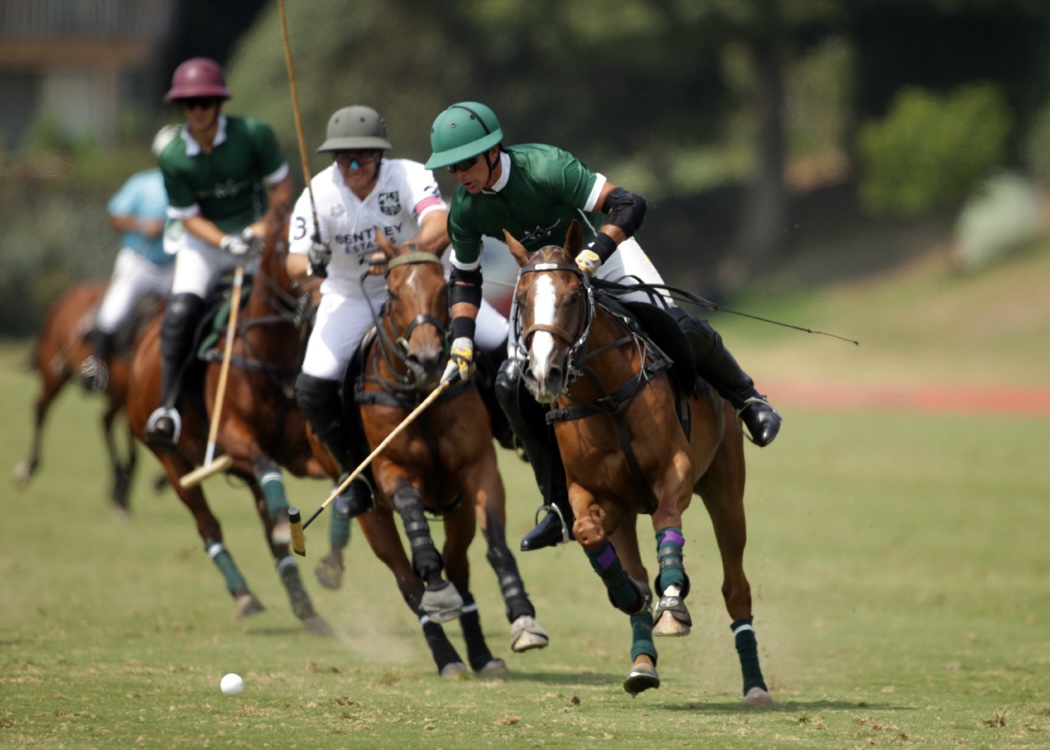
They call polo the Sport of Kings, which isn’t just a cliché but a reference to its historical association with royalty and other wealthy elites. If you want to sponsor a team or play the game at any kind of reasonable level, be prepared to fork over a pretty penny, as well-bred horses and competitive team sponsorships do not come cheap.
But you don’t have to pony up a king’s ransom to enjoy watching the sport just five or so minutes south of Montecito at the sun-splashed Santa Barbara Polo & Racquet Club in Carpinteria, a venerable and world-famous spot for the sport that opened way back in 1911. SBPRC, more colloquially known as the Polo Club, has spent summers hosting some of the best professional players in the world for many, many decades
A century after it opened, SBPRC actually hosted William, the future Prince of Wales, in a charity polo match where the man who will be king scored four goals to help his team win the game and was awarded the trophy – and a kiss – from his new bride, the former Kate Middleton.
Royal trappings aside, admission to watch early round matches in a series of tournaments held all day long on Fridays is absolutely free. And even the championship Sundays cost $25 or less.
In the category “athletics” it may well be the best bargain in town save, perhaps, simply jumping in the ocean.
“It’s a great place to take the family,” said Jeff Hall, who grew up in Santa Barbara and has been playing polo at the club for nearly four decades. “You can make a day of it, bring lawn chairs or sit on the back of your car (in the outer fields). And nowadays, you can dress up or you can dress down. Either one is great.”
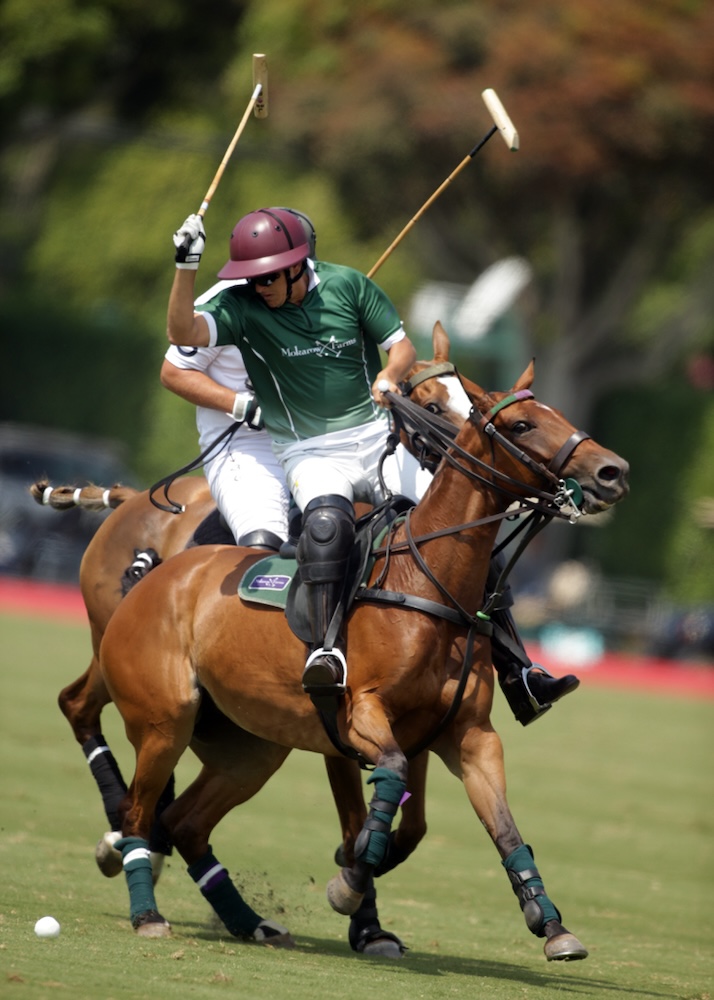
Hall holds the record for most wins of the prestigious United States Polo Association Silver Cup at 10, and is one of only a handful of American players to have participated in the highly regarded Argentine Open; the premier tournament in the country that yields not only most of the players but also many of the best-bred ponies. Hall’s rating once stood at 8 on a scale of 10. Though at 45 he now plays with a 5-goal rating (the system is akin to a golf handicap), he still qualifies as one of the greatest players in the world, and one of just a few highly-rated American athletes in the sport.
Two years ago, Hall became the youngest player ever to be inducted into the Polo Hall of Fame, an honor he said he wasn’t sure how to handle at first.
“It was kind of weird,” he said. “I thought it was a little premature because I’m still actively playing. But then I realized, why not enjoy induction into the Hall of Fame before I’m too old, or even dead, which is when a lot of players get the honor. My kids got to go. It was fun.”
Hall and his fellow players on the Mokarow Farms team – 6-goal Argentinians Facundo Obregon and Joaquin Panelo, and sponsor Kevin Mokarow – just finished claiming the America Cup tournament last Sunday afternoon at SBPRC, and are ready to try to best the other seven high-goal foursomes in the Pacific Coast Open, the most prestigious tourney of the summer, which gets underway this Friday August 15, and winds up on August 31.
“I’m enjoying my team a lot,” said Hall, who won the PCO in 2009 and 2015, among dozens of other important titles. “We didn’t start amazingly, but we’ve been ramping up and I really feel like we’re gelling and have the best team right now.”
Hall was a driving force behind the brand-new Homegrown American credit, which gives teams an extra goal handicap in their rating for using at least one American player.
“The sport is so dominated by Argentines, which is fine and I understand, but it’s important to have an incentive to help encourage up-and-coming younger American players to get a shot to play,” he said. “So a team can be rated 17 goals but get to play in a 16-goal tournament by having at least one homegrown American. All the teams are using it, so it’s working.”
While the game itself seems simple – hit the hard plastic ball between the goal posts at either end of the field – there are some complicated rules regarding right of way and fouls.
The field is 300 yards long and 160 yards wide, making it about the size of eight or so football fields. Teams switch goals after every goal scored. There are six periods of play called “chukkers” with a 10-minute break after the 3rd chukker. Each chukker is 7 minutes and 30 seconds long. The clock is only stopped if there is a foul, a broken piece of tack, or an injured player. The clock is not stopped if the ball goes over the sideboards, a player falls off and is not injured, or a goal is scored.
For new spectators, though, such intricacies may not matter. There’s so much to watch at a polo match at this high level – naturally, the marveling at the skills of the players but even more so their mounts, the polo ponies that rival Triple Crown thoroughbreds at agility, responsiveness to their rider and even speed for short bursts. It’s wise to stop following the ball and just watch the horses stop on a dime, or take off at a dead run at a moment’s notice.
Fridays have been upgraded the last couple of years with a special happy hour match that features live play-by-play over the PA, and specials at the restaurant/bar. Sundays are much more crowded affairs, and can feature spectator couture of the kind exemplified in the famous polo scenes
of Pretty Woman.
There is also family drama, as sons, brothers, and uncles often compete on different teams in any given tournament. The foothills on one side and the ocean providing cooling breezes on the other make for a spectacular setting. And who knows? You might run into royalty.
You might also be interested in...




You must be logged in to post a comment.