
Santa Barbara Tackles Earth, Wind, Fire, and Flood in 1925
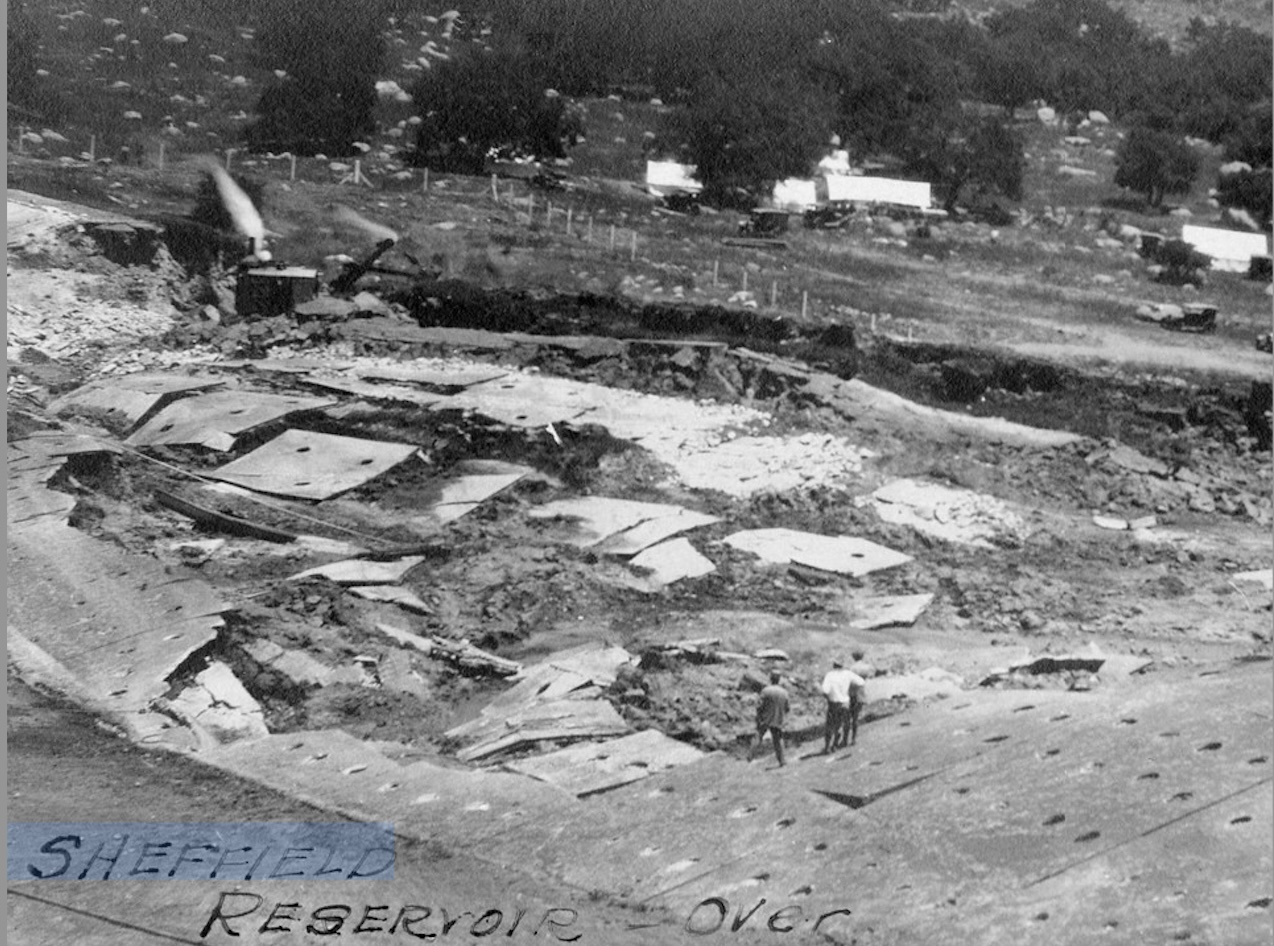
As aftershocks of the June 29, 1925, 6.3 earthquake continued to rock the town and the waters from the broken Sheffield Reservoir still muddied the waterfront, representatives from the Community Arts Association met to discuss Recreational Activities that would, according to CAA member Mrs. Charles W. (Lucy Russell) Dabney, “have a beneficial psychological effect upon men, women and children, during the weeks following the general demoralization of regular routine.”
While the Plans and Planting Committee of the Community Arts Association tackled promoting and facilitating a uniform Spanish style in the rebuilding of State Street, the School of the Arts, the Drama committee, and the Music committee worked with many organizations to relieve the “severe mental and moral strain on the community.” One of their first activities was to hold a street dance on Micheltorena Street in front of the El Mirasol Hotel.
Mrs. Charles W. (Lucy Russell) Dabney of La Risueña Ranch sponsored the event; the out-of-work Frank Greenough orchestra was hired to play for the dance; Hotel El Mirasol furnished the lights, and the City sprinkled the dirt street. Mrs. Dabney later reported, “Twenty-five hundred people, of all ages and representing all groups, turned out – all meeting in a common sympathy, and all rejoicing in the opportunity offered them to forget their fears and anxieties for a few hours, to the strains of good dance music, and under a starry sky.” As additional sponsors were recruited, additional dances were enacted.
In addition to the dances, Music Committee member Mary Overman organized a Spanish choral concert in Plaza Vera Cruz, something she would continue as weekly Community Sings of Spanish songs. Overman was the supervisor of music for the City School District and a teacher of singing.
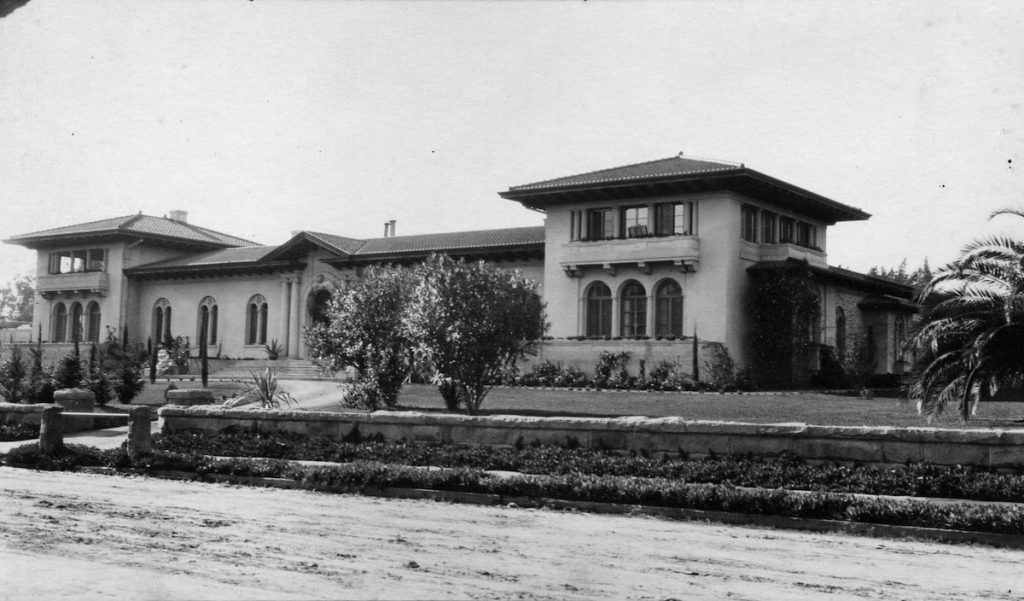
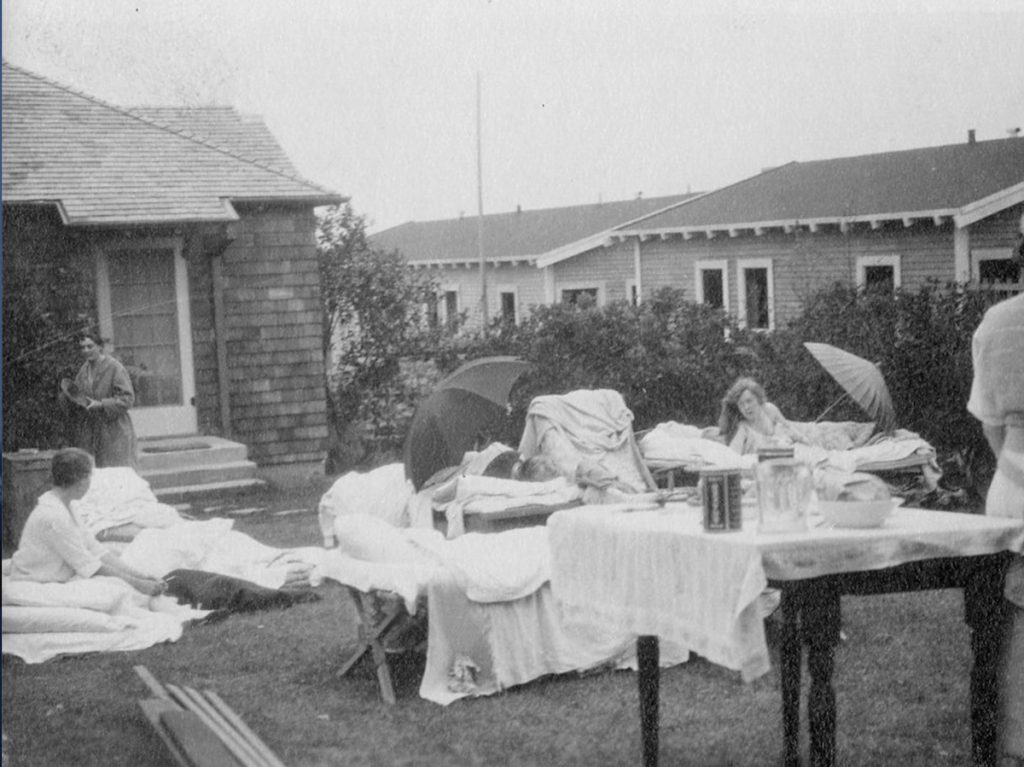
Recreation for All
The previous July, a group of Community Arts actors had formed the Green Room Club of the Lobero Theatre for those who had participated over the years in producing plays. They wanted to keep in touch with their fellow thespians and created theatrical, dance, and musical entertainments for each other while remaining affiliated with the Community Arts Association. To support the greater community after the earthquake, they planned a variety show at Plaza del Mar on July 14 and recruited the best amateur talent in town. A tentative program announced a jazz orchestra by Reid Hollingworth; Scotch songs and dances by William Brightton; the State College glee club; banjo players; song and dance numbers from In Old Louisiana; character songs by Dr. Henry J. Profant; and a magic act by artist and son of the tavern owner, Clarence Mattei.
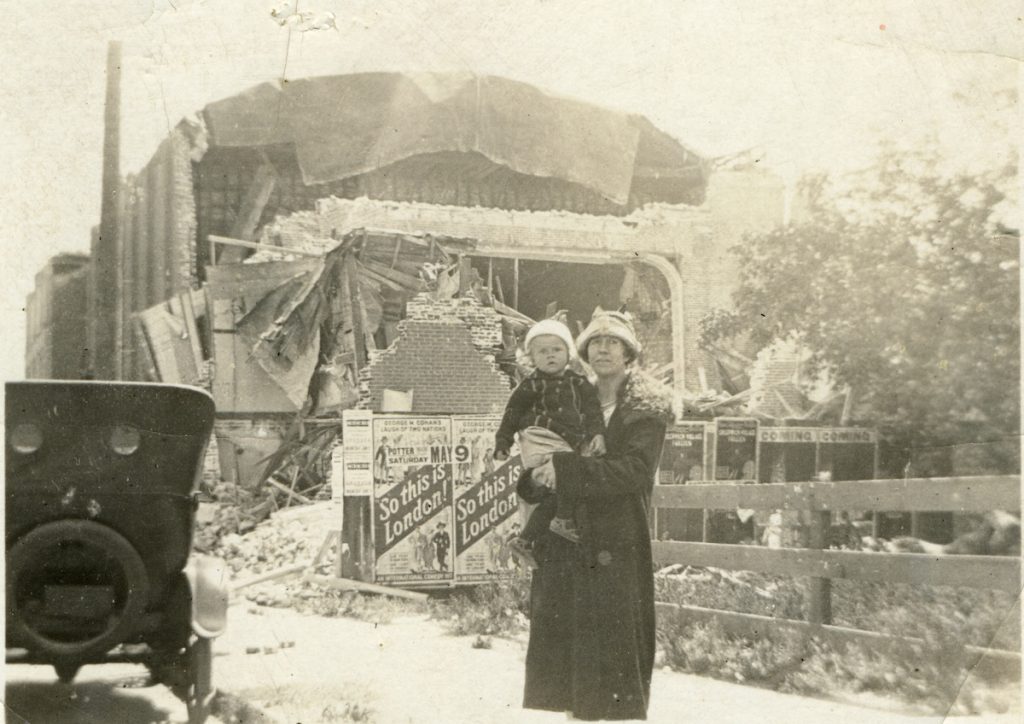

To facilitate and organize the great number of people and institutions that were offering recreation for the public, the Community Arts Association hosted a mass meeting presided over by Pearl Chase, Mrs. (Irene) Hoffmann, and Mrs. Mulhauser. Each branch of the CAA was represented, as well as scores of other organizations. Besides encouraging activities, the goal of the meeting was to avoid conflict of dates. Among the activities for that first week, the CAA was especially involved. The School of the Arts, its adobe building destroyed, was opening at Roosevelt School and offering classes in drama, music, dancing, art, and architectural drafting. Peabody Stadium (the Bowl) at the new High School offered outdoor movies; and the Lobero Theatre was offering a program of “upscale” vaudeville.
On Monday of that first week, Mary Overman held a free Spanish chorus class in El Paseo. On Tuesday, there was the Green Room Club’s variety show at the Plaza del Mar bandstand. On Wednesday, La Cumbre Country Club held a dinner dance open to non-members. On Thursday, there was a dinner dance at El Paseo. On Friday, the pupils of the School of the Arts were to give a music recital at Roosevelt School, and there was another street dance at Micheltorena Street. On Saturday, there was another Dinner Dance at La Cumbre Country Club, and on Sunday, the City Band played a concert at Alameda Plaza. Thanks to the CAA and dozens of other organizations, there was plenty to occupy the mind and lift the spirits of every Santa Barbaran.
With the Granada closed and many other theaters and dance halls as well, the California Theater Company built an outdoor theater at State and Arrellaga streets. They erected a screen to show motion pictures and a large stage for road shows and vaudeville acts. On July 7, the Morning Press was able to write that twelve hundred people had attended the Airdome Theatre and had their first laugh in 10 days as they enjoyed Johnny Hines in The Early Bird. “Hines,” wrote the Morning Press, “made everyone forget earthquakes and started a mirth-quake, with his really funny portrayal of a lovesick milkman.”
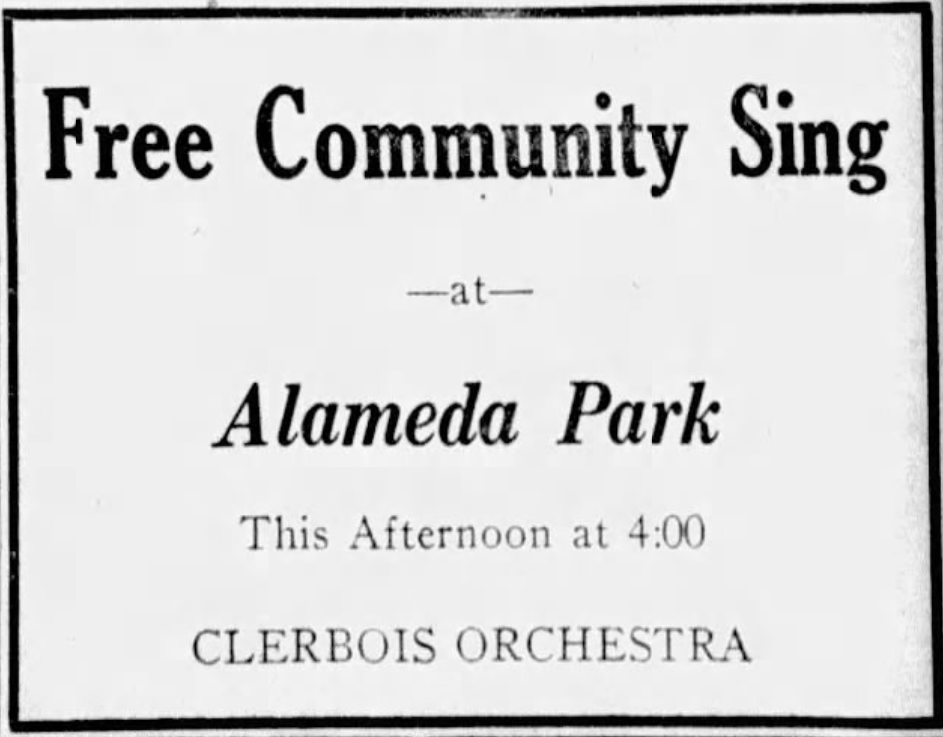
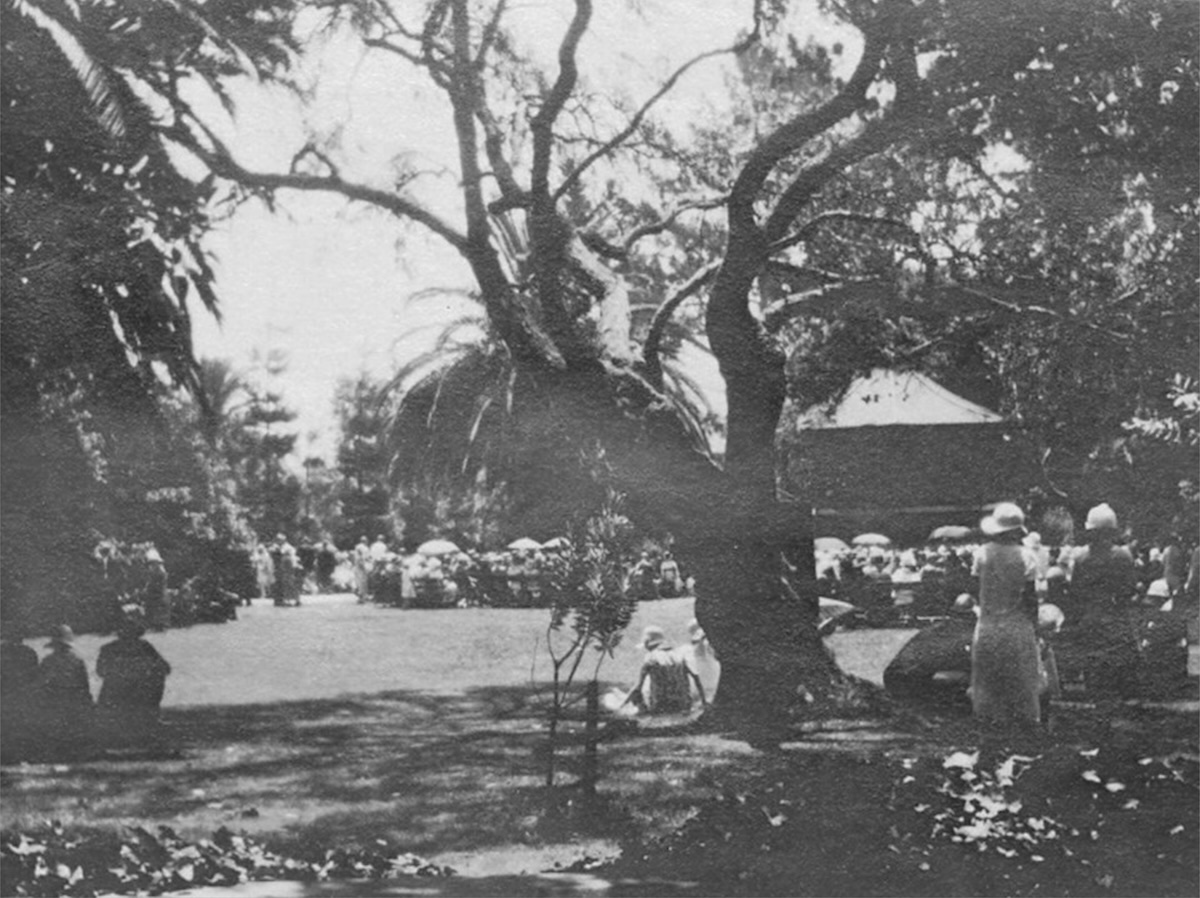
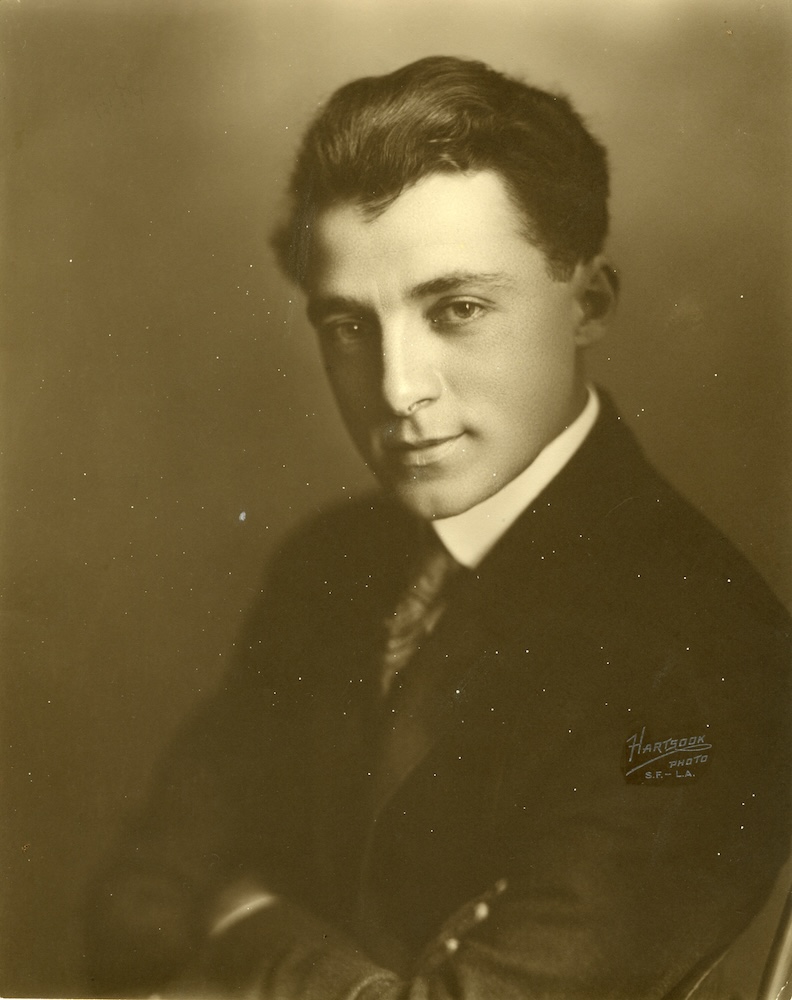
Musician, composer, and conductor Roger (Georges) Clerbois was one of the founders of the music branch and the Community Orchestra. His orchestra, however, had been regretfully dropped by the Music Committee in 1923 in favor of a choral program. Clerbois regrouped with the Clerbois Little Symphony and after the earthquake he sponsored a series of community sings at Alameda Park which his orchestra accompanied. (Community Sings had become popular during WWI as Americans sought relief and communal support during those difficult times.) Of these new sings, the Morning Press remarked, “Supported wholly by a spirit which gives and shares, these sings have brought much comfort to the hundreds who attend each week.”
Only the Locusts Were Missing
By July 12, Santa Barbarans had experienced an earthquake and flood and were already busy rebuilding better and smarter. Although there had been 17 fires, they had all been small, localized, and easily doused other than a house that burned down on West Montecito Street. And then, on July 12 the temperature rose astronomically to 100 degrees, and that evening a fierce Santa Ana wind began to blow.
On Las Tunas Road a still glowing cigarette butt was carelessly thrown into the dried grasses. As they ignited, fifty mile per hour winds blew the small blaze into a wall of flame that descended the hillside and threatened the El Encanto Hotel, the State Teacher’s College, and the entire city itself as it swept across the grassy hillside into a eucalyptus grove north of Mission Ridge Road. Guests of the El Encanto joined the fire brigade in trying to put out the flames.
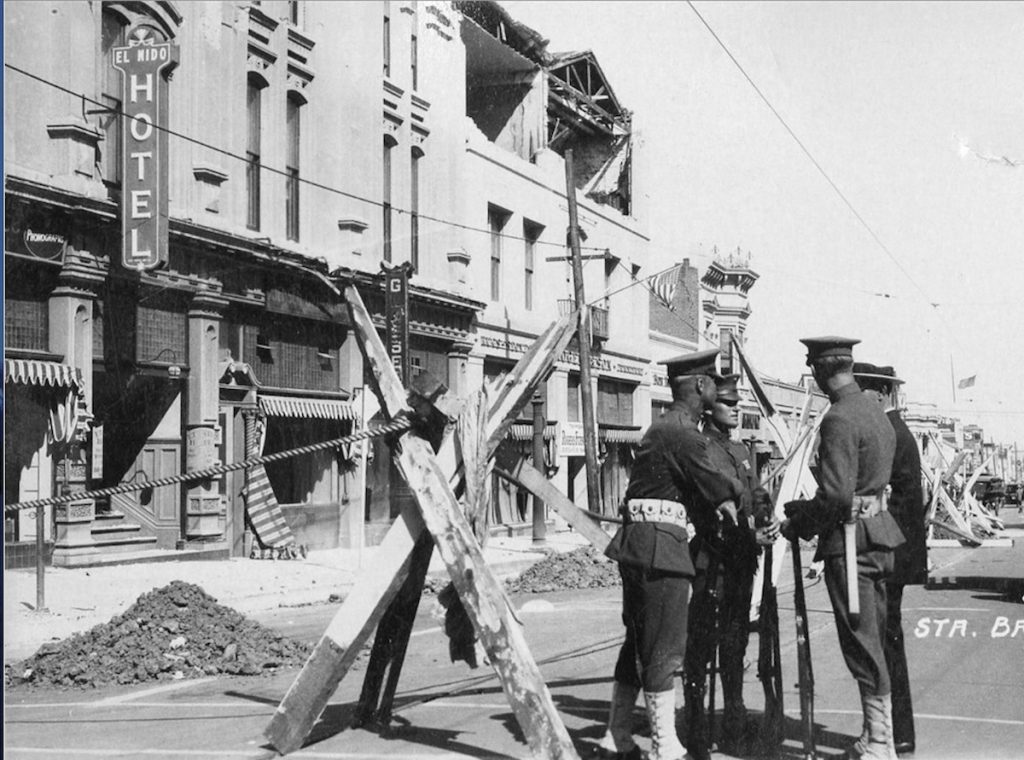
Two companies of Marines, who had been assisting the earthquake-damaged and vulnerable city, had been repairing their camp which had blown down in the severe wind. They deserted their task and rushed up to help the fire brigade but there were no extra wet sacks for them to use against the fire. They took off their flannel shirts, wet them down, and commenced beating the fire. Despite these efforts, the fire was threatening to jump the road and descend into the city when a sudden change in wind direction allowed the firefighters to slowly quell the flames leaving smoke and cinders to shroud the hilltop and settle over the Mission District.
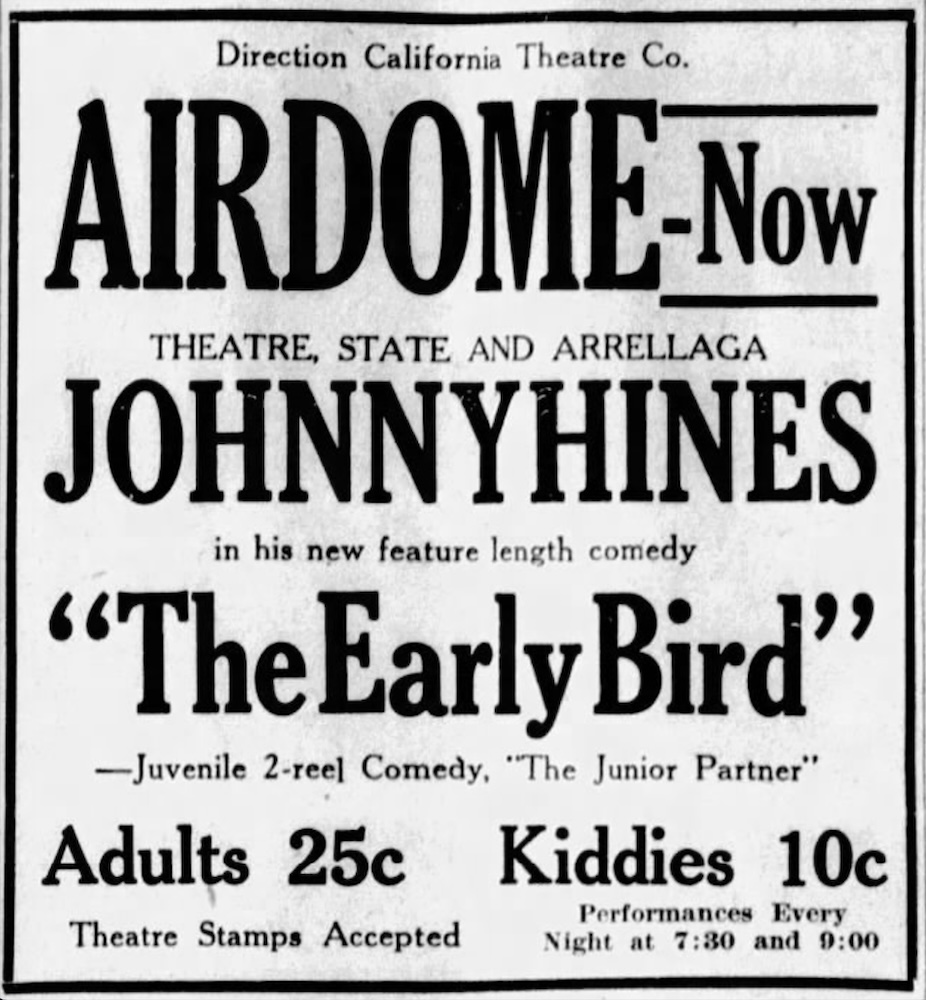
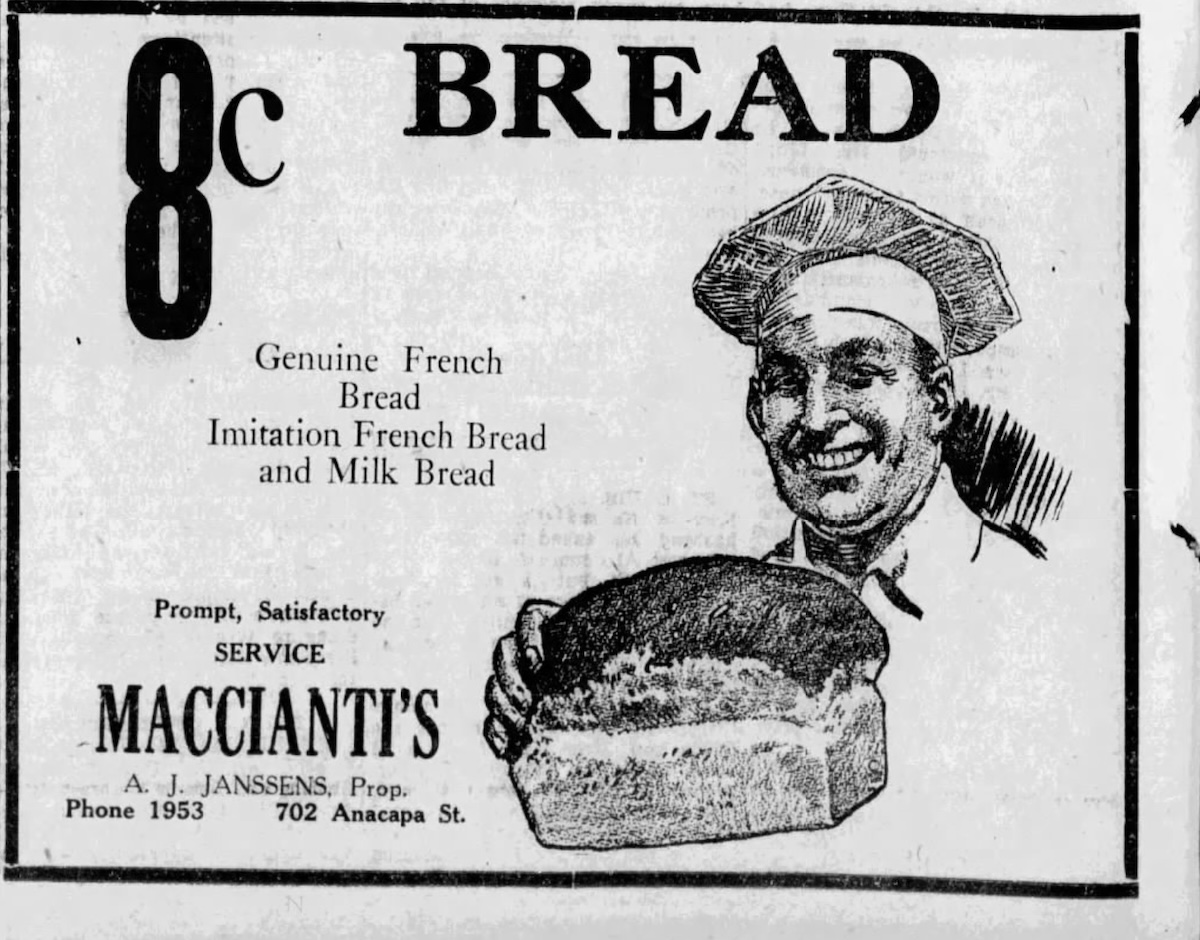
Seventeen-year-old David Maccianti, the son of a baker at 706 Anacapa Street, (today’s La Paloma Café) remembered the fire in an oral interview given in the 1980s for the Santa Barbara Historical Museum. “They closed the theaters during the earthquake,” he said, “so they put up a temporary outdoor theater on the corner of Arrellaga and State streets. I went to the movie there one night, and the fire was going on at the time. I had on a blue pinstripe suit, and I went there, and, of course, the ashes were coming down. When I got home my suit was gray!”
After the fire, there was a surge of requests to keep the Marines in Santa Barbara a while longer. The Green Room Club of the CAA prepared to entertain them with a show in Plaza del Mar as well as a supper at El Paseo, in order to show appreciation for their service to Santa Barbara. Also showing gratitude were the AirDome and the California and Lobero Theatres which offered free tickets to the Marines. Their uniforms were the only ticket they needed to attend the productions. Luckily, in the days that followed, a plague of locusts failed to materialize as Santa Barbarans went about the business of reinventing their town.
You might also be interested in...




You must be logged in to post a comment.