
Shake, Rattle, and Roll in Montecito
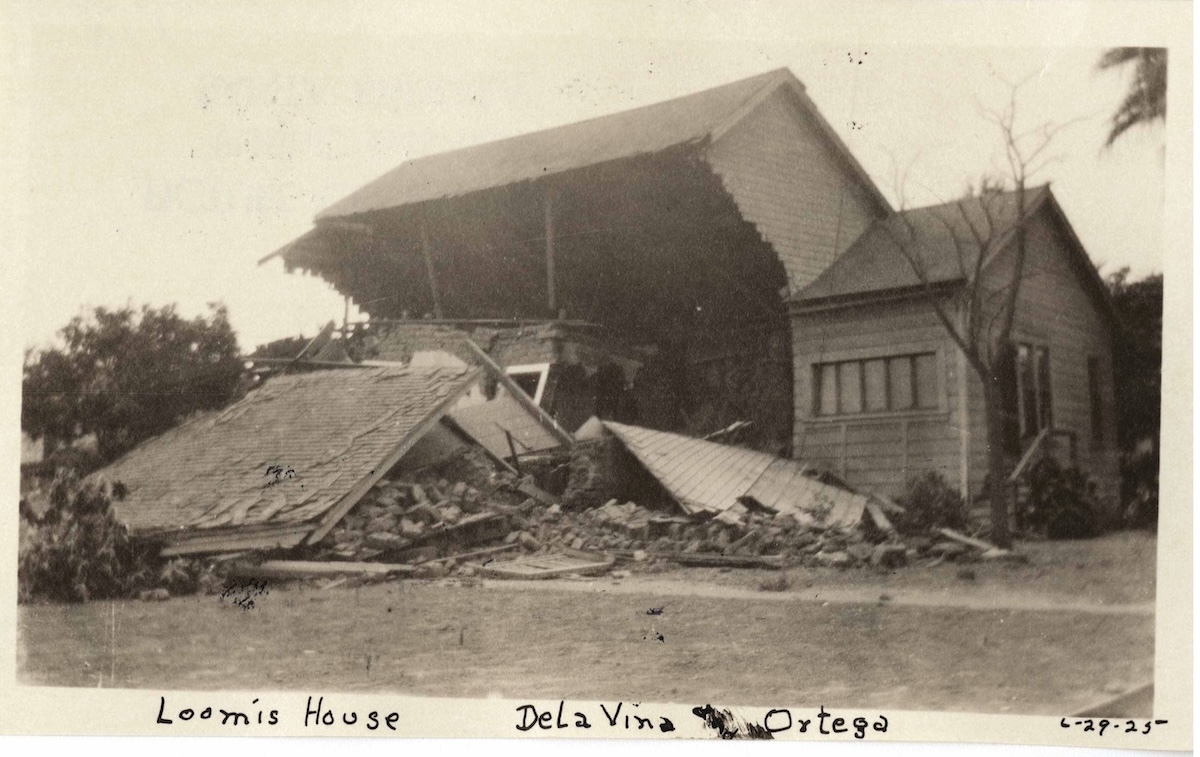
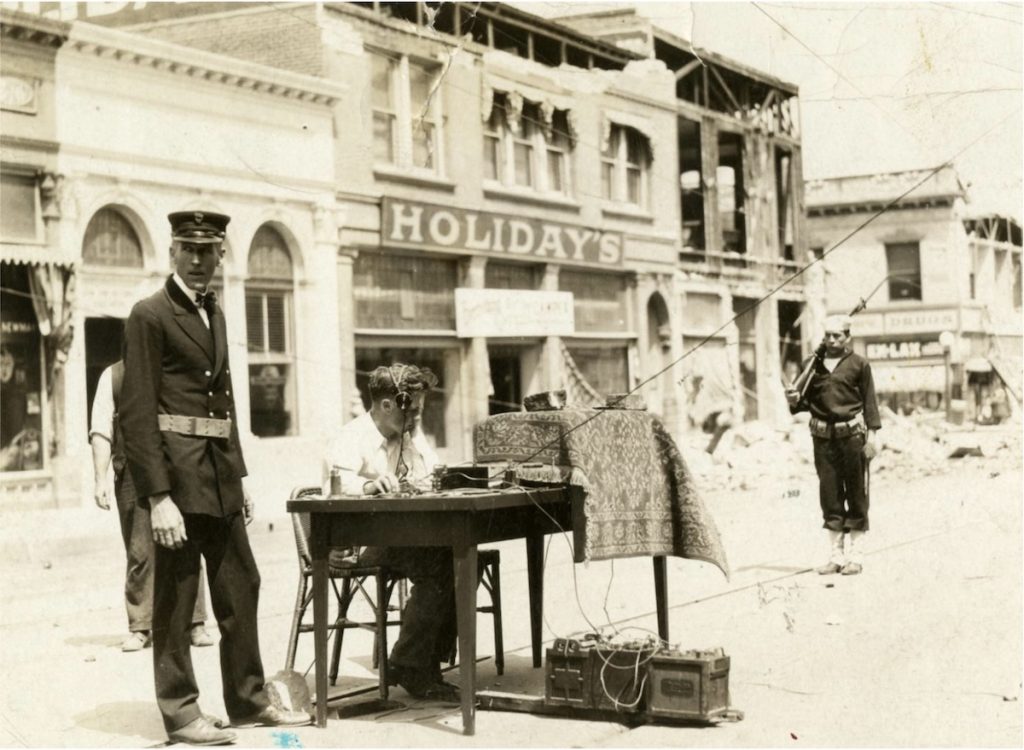
Santa Barbara’s world changed in one mighty crack when a ferocious earthquake shook the town on the morning of September 29, 1925. As false fronts of the business district tumbled to the street and roofs gave way and chimneys toppled in the immediate vicinity, 30 million gallons of water from a collapsed Sheffield Reservoir rushed to the sea. Along the way, the wall of water tore out trees, picked up cars, and destroyed three houses before flooding the entire lower section of town.
Initial reports were chaotic and inaccurate as reporters struggled to ascertain the facts. The Los Angeles Times reported 50-60 deaths. The Morning Press reports twisted the spelling of names and numbers for several days. By the time it was all straightened out, the final death count was 11, with scores more severely injured. Due to the aftershocks, residents were afraid to enter their homes and either slept outside on their lawns or got out of town!
Tumbling Along in Montecito
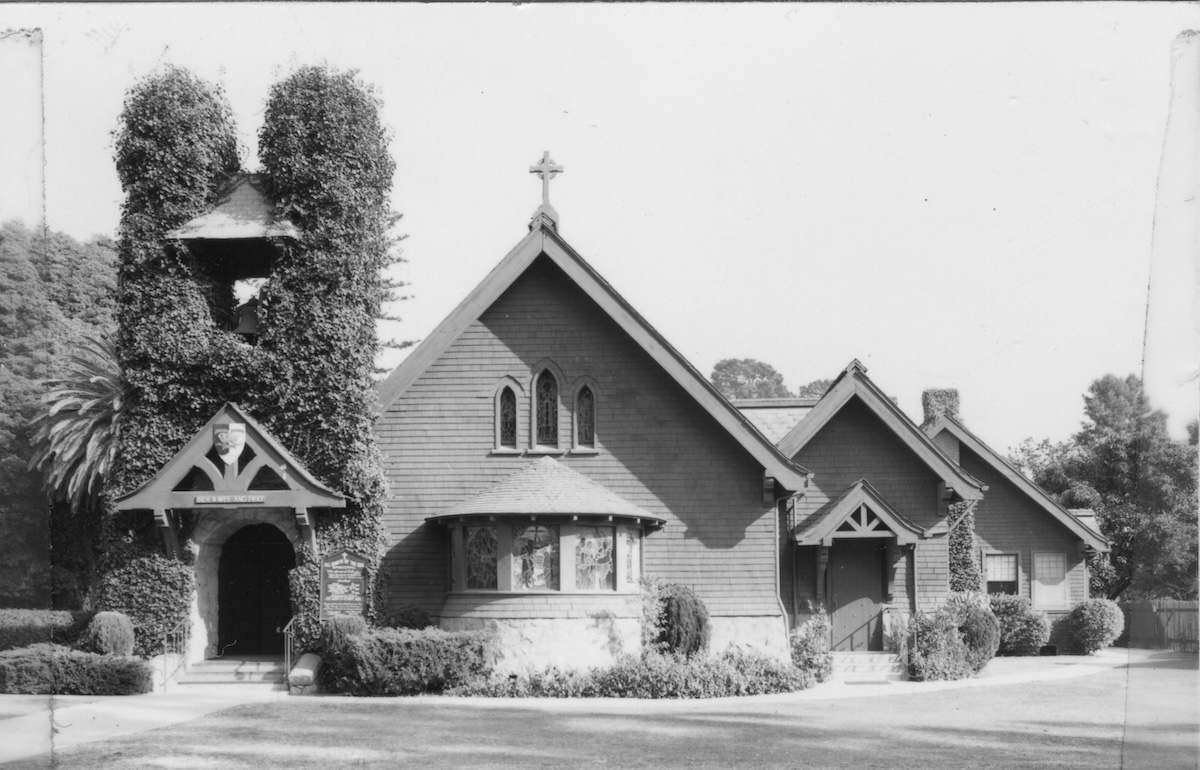
Montecito was not spared from the damage caused by the quake. Early estimates by the Morning Press reported half a million dollars in damages that included broken chimneys and tumbled brick and stone fences. As aftershocks on Monday and Tuesday rolled through the county, many residents of Montecito moved to cots outdoors. All Saints-by-the-Sea Episcopal Church held their services on the front lawn for a month.
Mrs. Rachel Peabody Ogilvy of Eucalyptus Hill, daughter of Frederick Forrest Peabody, moved with friends to Edgecliffe, the Montecito Beach Club. Harry H. Webb and family, who had built a two-story adobe designed by John William Chard and named it Solbrillo, moved to the Miramar Hotel for several weeks.
At Casa Dorinda, Mrs. William Henry Bliss’s water tower fell and smashed the wing of the servants’ quarters. Anna Dorinda Blakesly Bliss was not at home when the destruction occurred. She had acquired the property off Hot Springs Road in 1916 and commissioned Carleton Monroe Winslow to design her vast and beautiful estate. Clearly recovered from the earthquake damage, the house today is the center of a retirement community of the same name.
New York clubman and capitalist, Harry Knight Elston, owned Il Deodoro on Schoolhouse Road. Back in New York, Elston had stints in varying business positions such as secretary/treasurer of the Shantz Button Company, director of Fidelity Trust Company, and stockholder of Eastman Kodak, Co. His house was severely damaged by the quake, and thoughts were that it would have to be completely rebuilt.
Chicago-born Ralph Isham was a Harvard graduate who became associated with the Chicago and Eastern Railroad and the Illinois Steel Company before dabbling in real estate.
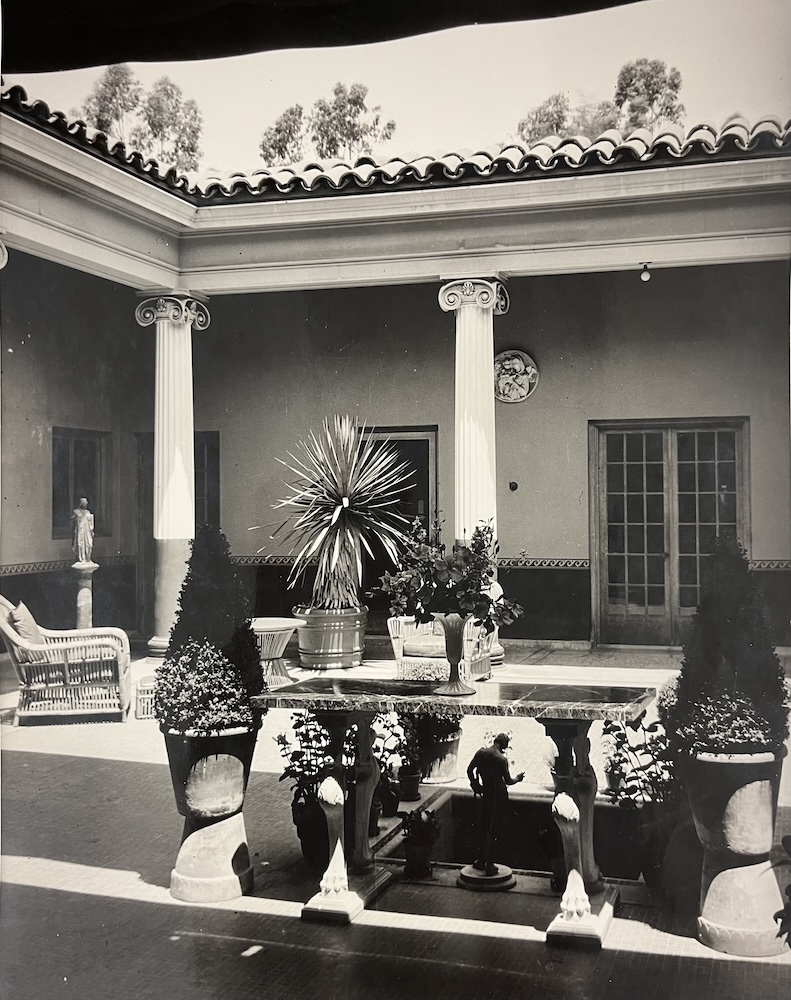
In 1916, he and his wife Mary Louise decided to move to Santa Barbara, bought five acres from Elston, and built Pompeiian Court. Built around a square courtyard in a Mediterranean style, it became known for its beautiful landscaping and a rose garden that became nationally famous. Though the house did not collapse during the quake, cracks appeared in the walls and marble statues were thrown down and shattered.
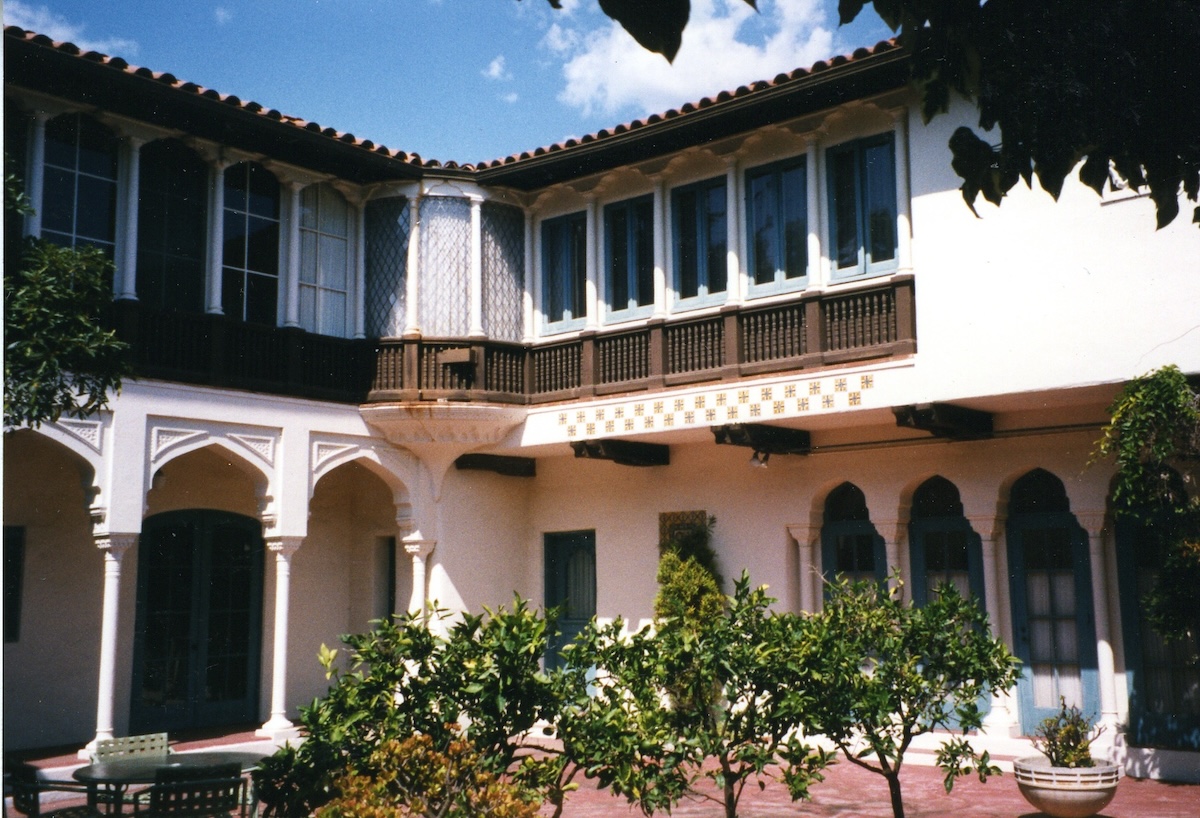
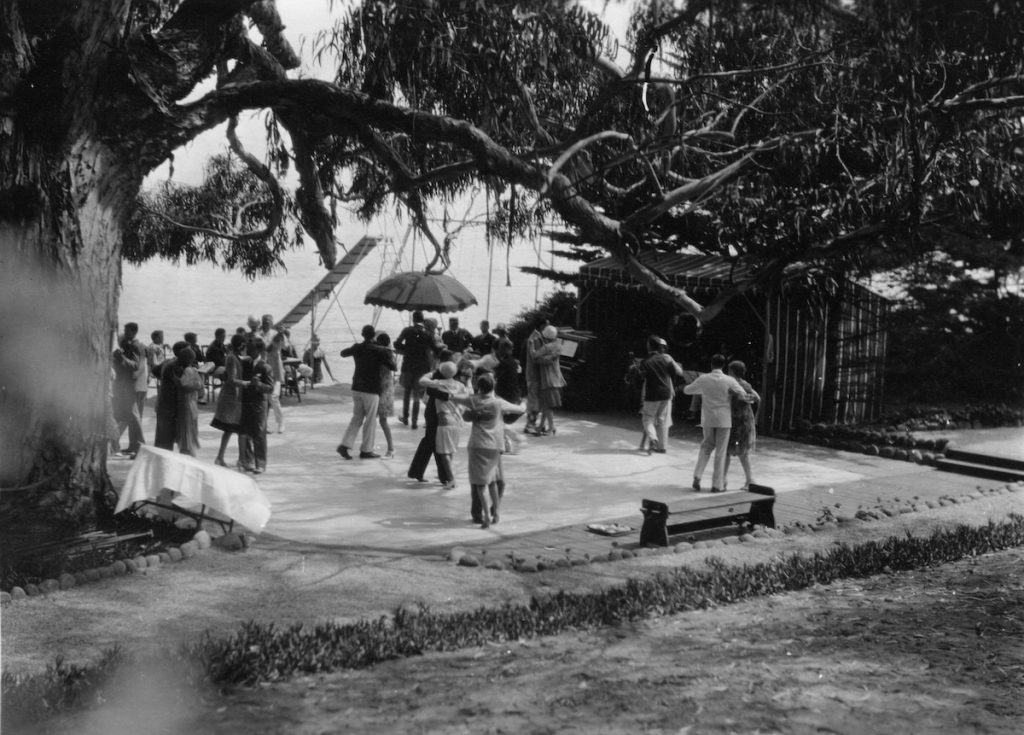
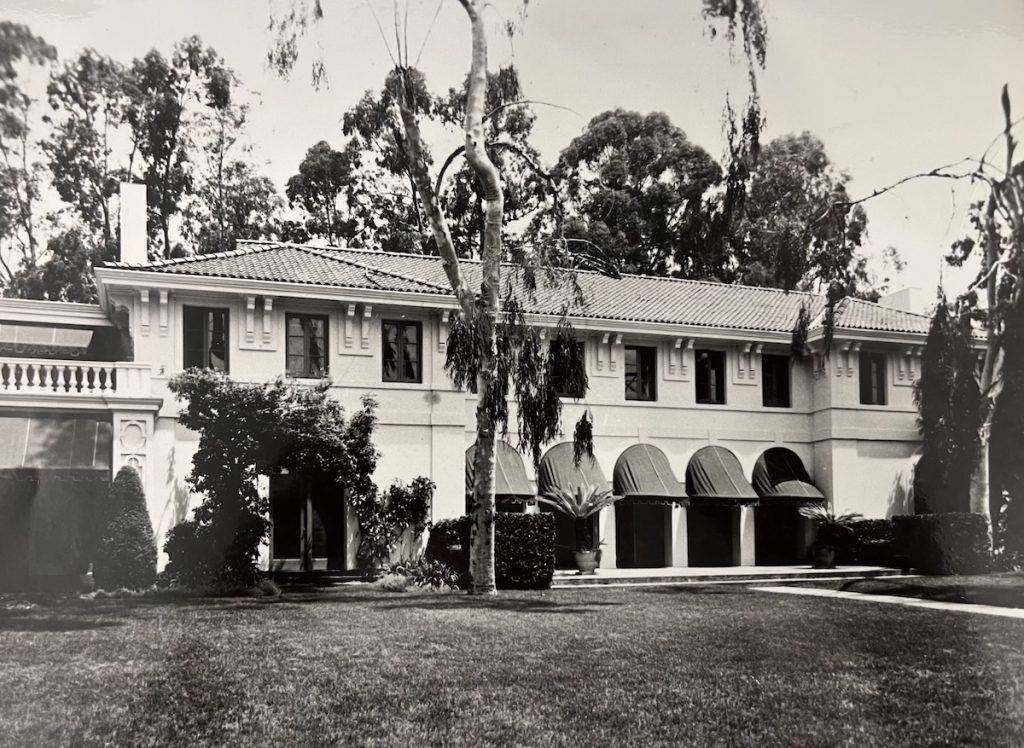
In 1916, Herbert C. Cox and his wife purchased 239 acres of ranch land, part of the original grant to Neomicio Dominguez. Cox, son of Canada’s top financier, wanted a southern estate to match his horse breeding and training farm in Canada. He called his Montecito lands Ennisbrook and set about demolishing the humble farmhouse, building two polo fields, stables and a gate house. On a whim, they decided to keep the historic adobe but added a wing and restored/renovated the rest.
In early 1925, the Coxes went to England and purchased a new estate which they gave the unfortunate name of Twatley. There, Cox could ride to the hounds to his heart’s content. In March, Cox sold Ennisbrook to Elmer J. Boeseke, Jr., who together with his father and other horsemen of the day, had founded the Santa Barbara Polo Club. Boeseke now owned the adobe which was badly wrecked in the earthquake. Since that time, it has been restored, reinvented, enlarged, romanticized and reimagined. Somewhere in all of that, the original adobe may still be encased.
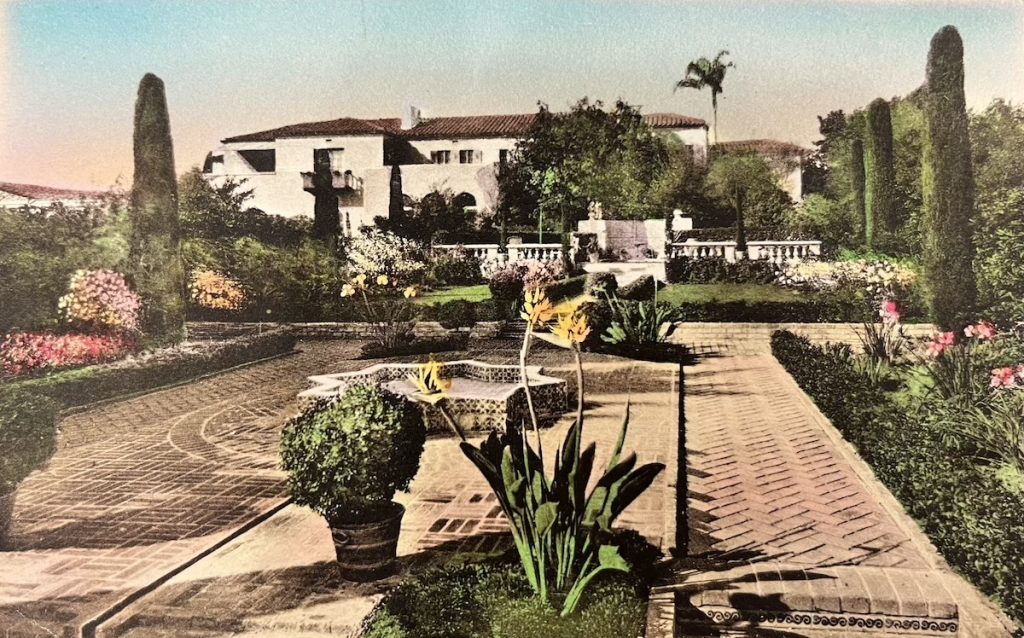
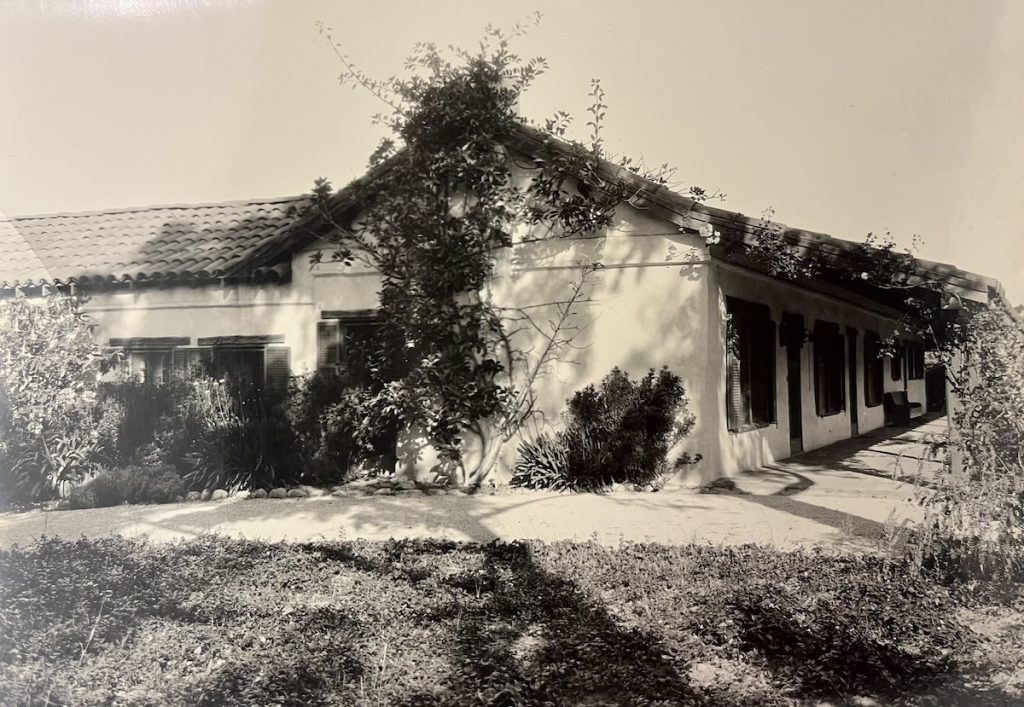
Damage was also reported on the estates of the Hilltop Barons, Frederick Forrest Peabody of Solana, George Owen Knapp of Arcady, and C.K.G. Billings of Asombrosa. In fact, Billings’ home was so damaged that it was demolished and replaced by a new one designed by Carleton Monroe Winslow.
A New Day, a New Dawn, a New Life for Santa Barbara

For some, the earthquake instigated panicked decisions to sell. Real estate prices fell in the city and in Montecito. One non-resident owner of an estate overlooking the channel advertised he was open to a quick sale. Other real estate ads offered “Real Earthquake Buys” and “Beautiful Montecito Home at reduced price.” One man advertised, “I am going to sell my beautiful home furnished and for less than the building is worth and must sell now.”
Nevertheless, even before the last ripple of aftershocks had faded, meetings were held on rebuilding. On July 1, artist John Gamble of the Santa Barbara Art Club suggested that the city support a uniform architecture that reflected its Spanish heritage. The proposal was enthusiastically received by the citizens and architects at the meeting, and one of the first to endorse the idea was the Bothin Helping Fund which owned 12 buildings on State Street, while the Bothin family itself owned four more.
Henry Bothin, prominent entrepreneur and real estate developer from San Francisco, and his second wife, Ellen Chabot, had purchased a large estate in Montecito called Piranhurst in 1910. They built an estate house which was completed in 1916 and purchased land north of Mountain Drive to build Mar y Cel, an enormous water garden topped by a tea house. (Yes, THE tea house.)
Bothin also put his real estate acumen to work and purchased 16 properties in downtown Santa Barbara. In 1917, he sold 12 of these properties to the Bothin Helping Fund, a charitable organization which donated to many San Francisco charities and, locally, to St. Vincent’s Orphanage and both Cottage and St. Francis hospitals, as well as other local entities. The willingness of the Bothin family and the Bothin Helping Fund to rebuild in Spanish Colonial style set a sterling example for other State Street owners.
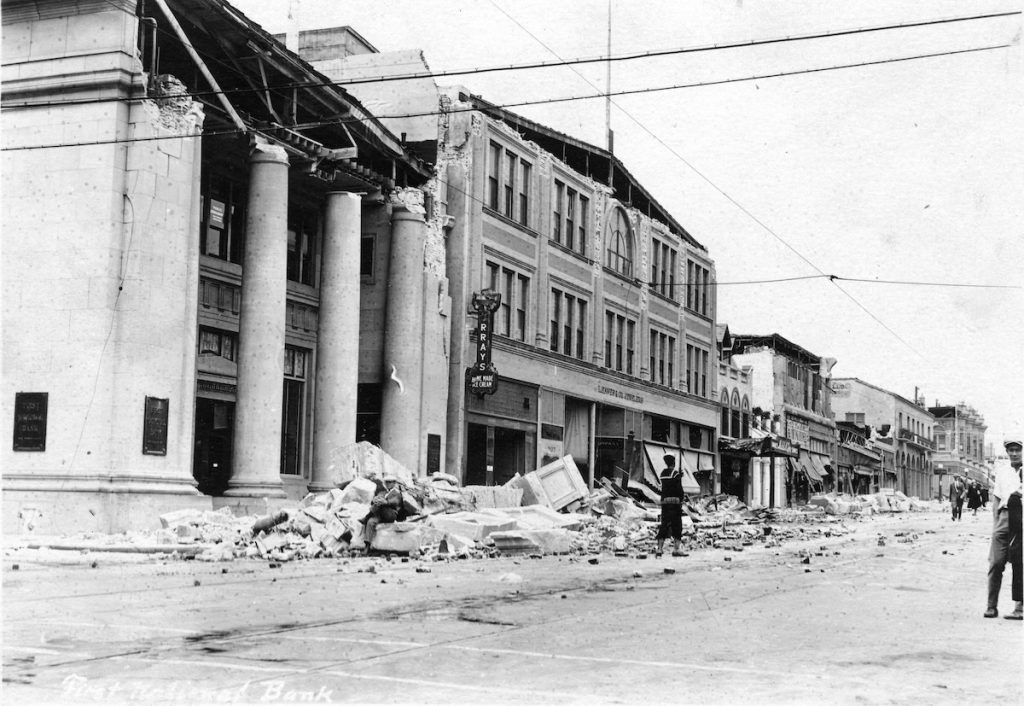
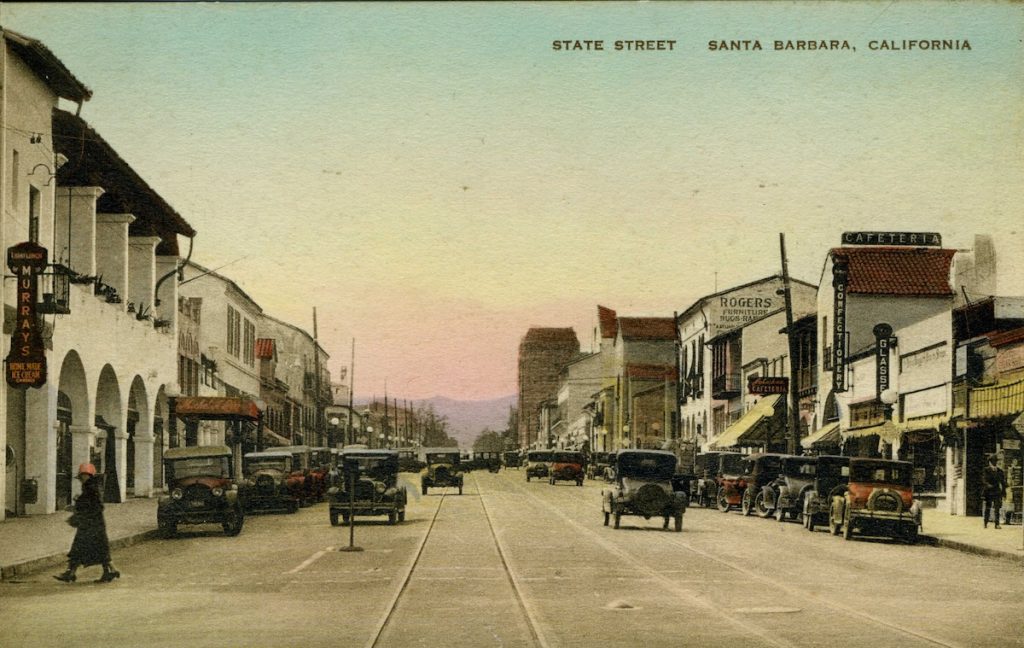
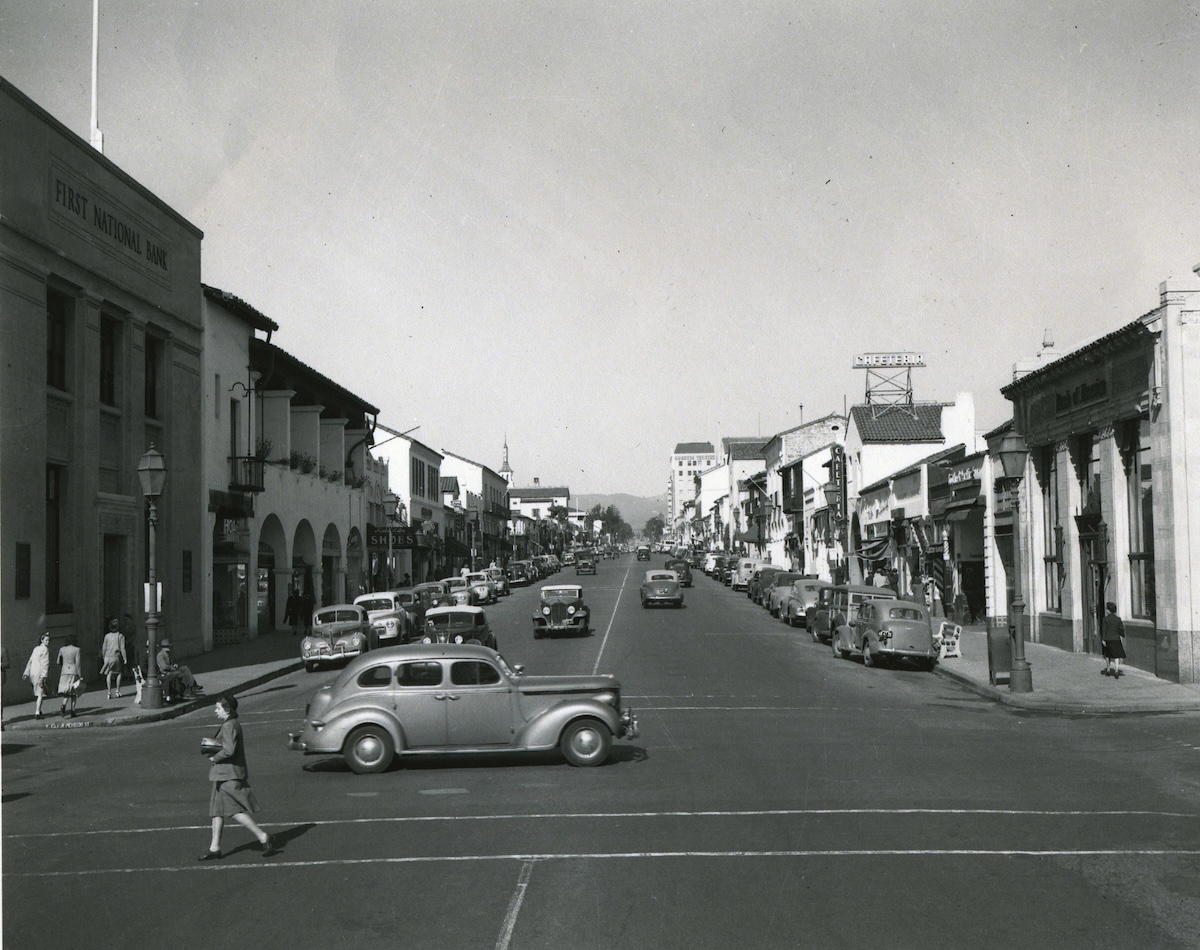
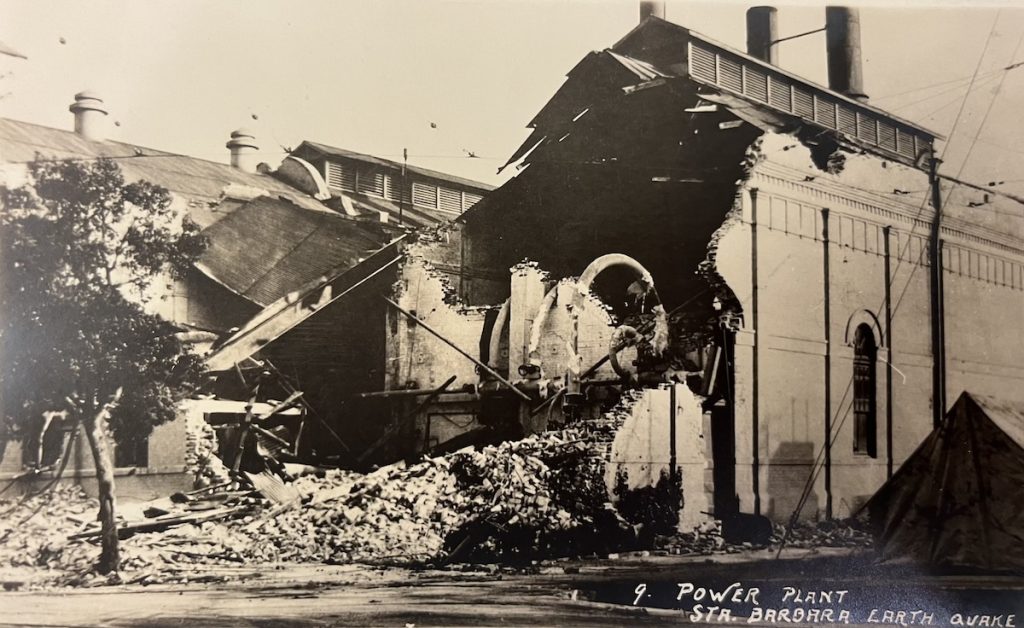
The Community Arts Association, which had been promoting the construction of Spanish-style buildings, now created an architectural board which would advise on designing in the popular new style. Many of Santa Barbara’s architects volunteered their time and talents.
Mrs. E. Palmer (Marie) Gavit of Cuesta Linda (today’s Lotusland) organized a hero fund to reward those who had put their own lives at risk to save others during the earthquake. She pointed specifically to the man who turned off the electricity and to Henry Ketz, engineer of the Santa Barbara gas plant, who made a stumbling rush on swaying floors through falling machinery to close the emergency valve and cut off the gas supply. Consequently, a terrible fire like that after the 1906 San Francisco Earthquake was avoided.
Forget Your Troubles, Come on Get Happy
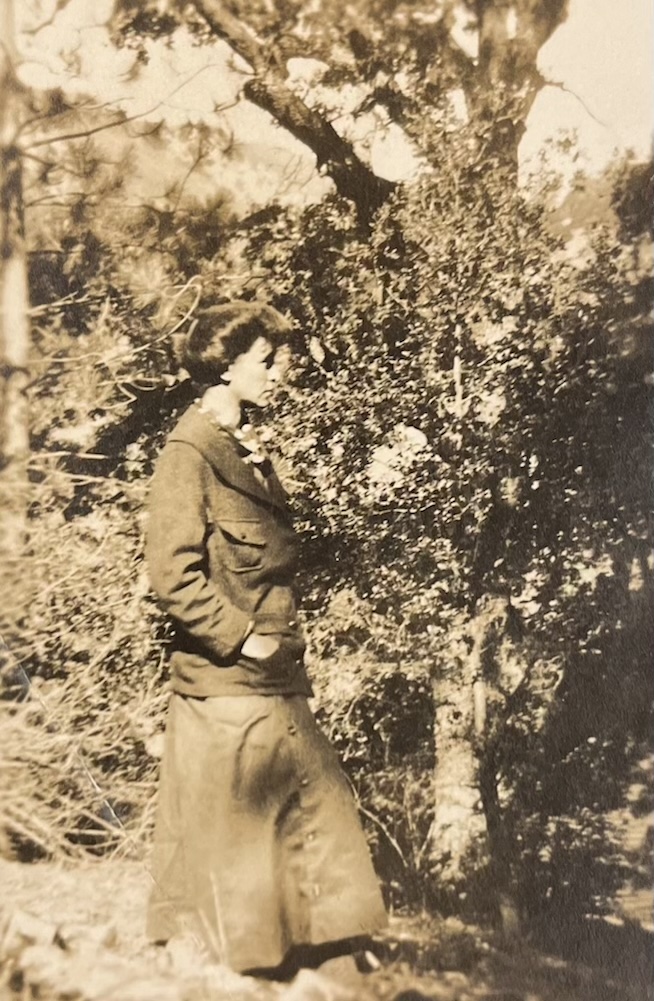
The Community Arts Association also organized entertainments such as Community Dances and Sings. Mrs. Charles (Lucy Hubbard) Dabney of La Risueña Ranch stepped up to host the first street dance in front of El Mirasol Hotel and Alameda Park. She encouraged other residents to host other outdoor programs because the theaters and dance halls were closed during reconstruction.
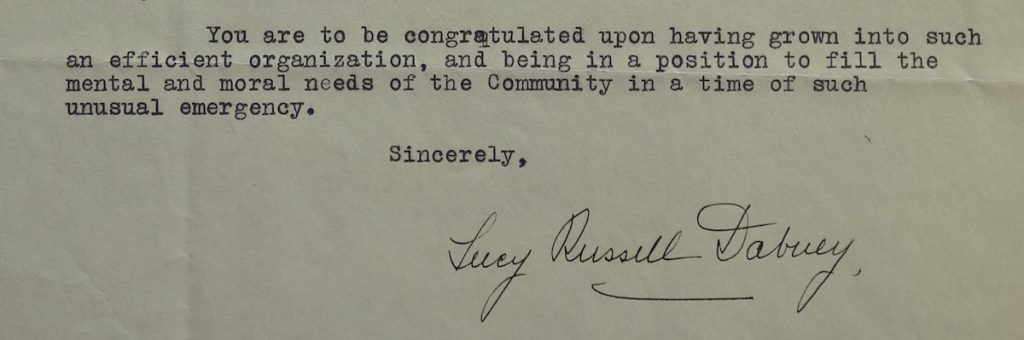
On July 21 she wrote a letter praising the Community Arts Association, saying, “As a comparatively new member of your School of the Arts Committee, I beg to tell you of the striking impression made on me at the first meeting I attended, a few days after the Earthquake shocks had laid waste the City, impoverished and incapacitated many organizations, and brought severe mental and moral strain on the entire community.
“About twenty of your representatives were gathered together on a piazza, as the shocks still continued, to consider ways and means of organizing such Recreation Activities as would have a beneficial psychological effect upon men, women, and children, during the weeks following the general demoralization of regular routine.
“In a few moments, a Committee was chosen, the orchestra contributed, within two days the necessary permits were granted, the community notified, and a Street Dance organized, the memory of which will go down in history.
“Twenty-five hundred people, of all ages and representing all groups, turned out – all meeting in common sympathy, and all rejoicing in the opportunity offered them to forget their fears and anxieties for a few hours, to the strains of good dance music, and under a starry sky….
…. “You are to be congratulated upon having grown into such an efficient organization and being in a position to fill the mental and moral needs of the Community in a time of such unusual emergency.”
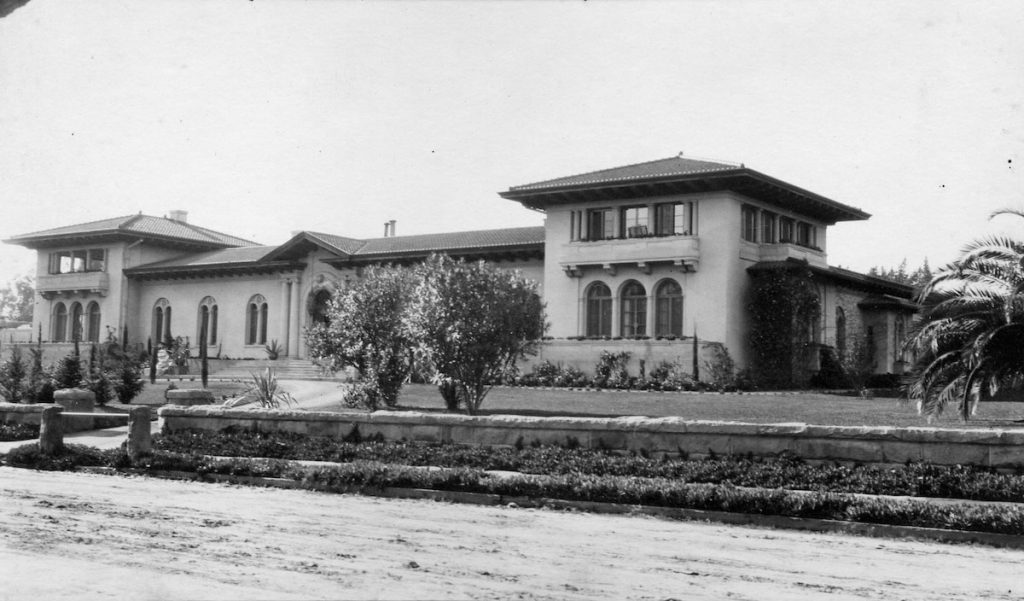
One hundred years later, we can look back at the dozens of times that Montecito and Santa Barbara have come together in times of dire need to provide aid and support for the greater community.
The Santa Barbara Historical Museum’s excellent new exhibit displays hundreds of photos of the earthquake through a dozen projectors that each loop a different theme of earthquake photos. Several other exhibits related to the earthquake help tell the story. Definitely worth a visit!
Sources: “The Adobes of Montecito,” by Willard Thompson, Noticias 2009; Henry E. Bothin-Philanthropist of Steel by Michael Casey; Montecito and Santa Barbara by David Myrick; past “Mansions and Moguls;” “The Way It Was” articles by yours truly; and contemporary newspapers articles. Special thanks to Neal Graffy for sharing his research and evidence on the correct number of deaths.
You might also be interested in...




You must be logged in to post a comment.