
SB Literary Festival: Story, Meet Place
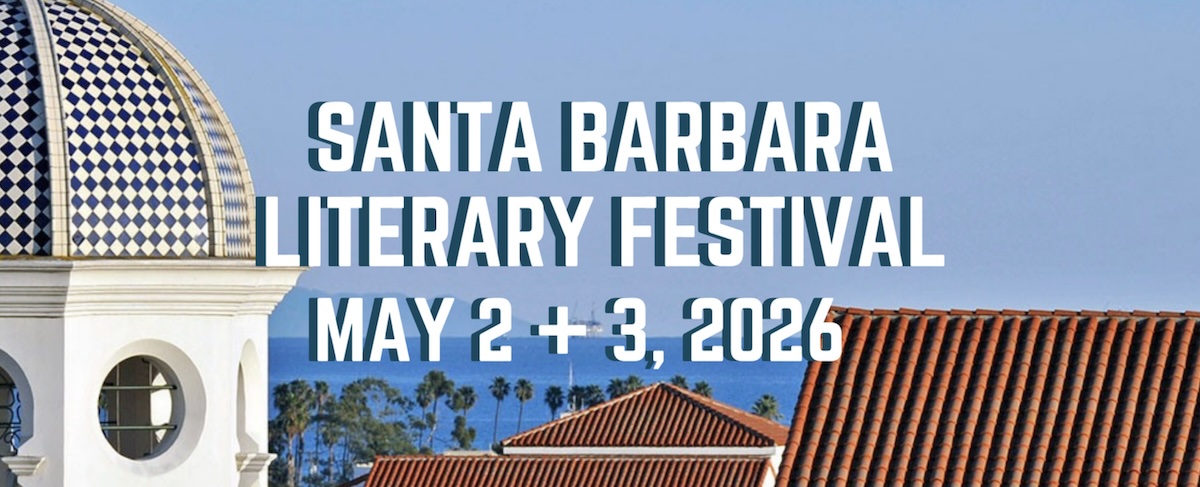
It’s not hard to see why writers end up in Santa Barbara. Sure, the weather helps, but it’s more than that. There’s space to think here, and a kind of quiet that doesn’t feel isolating. Montecito, in particular, has long been home to a number of well-known writers (see Steven Gilbar’s mini tome), while downtown Santa Barbara offers its own everyday version of that creative life – cafés, a touch of beach, and the steady rhythm of people working things out on the page.
The Santa Barbara Literary Festival (May 2-3) takes that existing energy and gathers it in one place. It was founded by Leslie Zemeckis and Lorissa Rinehart, both of whom have spent years working in and around storytelling. Zemeckis is a bestselling author, MJ contributor, and documentarian known for uncovering overlooked histories. Rinehart is a historian and author with a strong background in research and public programming. Their festival reflects both perspectives – thoughtful, wide-ranging, and open to anyone willing to listen.
Built Around Books
At its core, the festival is a two-day event, but it doesn’t feel rigid. There’s a schedule, of course, with panels, conversations, and keynote talks, but the experience is meant to be flexible. You can plan your day carefully or move between sessions based on what catches your attention.
The programming reflects that approach. There are conversations with bestselling authors, panels on crime writing and memoir, discussions that move into journalism and film, and even events that connect storytelling to food and culture. You might come to hear a favorite writer speak and end up sitting in on a completely different conversation that pulls you in just as much.
That range is intentional. The festival isn’t just for writers or people in publishing. It’s built for readers, and even for those who don’t think of themselves as either writers or readers. As Zemeckis has said, the idea is simple: if you’ve ever been interested in where a story comes from, there’s something here for you.
There’s also a sense that the event is meant to be experienced, not just attended. Conversations spill over into the spaces between sessions. People linger, compare notes, and follow threads from one talk to the next. It feels less like a formal conference and more like a gathering that happens to be centered around books.
A Festival That Moves Through the City
One of the most appealing aspects of the Santa Barbara Literary Festival is how it uses the city itself. Instead of convening everything in a single venue (think drab hotel conference room adorned with industrial size drip coffee carafe), the festival is spread across downtown.
Events take place at the Lobero Theatre, the Santa Barbara Museum of Art, the Unitarian Society, the Canary Hotel, the Alhecama Theatre, the Karpeles Museum, and smaller spots like the Courthouse Distillery and Roy Restaurant. Each space brings a different feel, which changes the tone of the various conversations in subtle ways.
This setup does more than just add variety. It keeps the festival connected to its surroundings. Attendees move from one location to another on foot, passing through the city as they go. For visitors, it’s a way to experience Santa Barbara beyond a single address. For locals, it adds a sense of purpose to places they already know well.
There’s also something fitting about it. Books aren’t tied to one place. They’re read in pieces, in motion, wherever there’s a moment to pause. The festival mirrors that. You pick up an idea in one room, carry it with you down the street, and return to it later in a different setting.
Two Full Days of Literary Wonder
Saturday is where it all opens up, with a mix of conversations that show just how wide the festival really is.
One of the highlights is a discussion with bestselling author Ann Liang, whose work blends romance and fantasy in ways that have found a strong audience among younger readers. She will be speaking with Morgann Book, one of the world’s most influential BookTok creators, touching on character, structure, and how stories evolve once they reach readers, especially in online communities.
Other panels take a different approach. “Against Erasure,” featuring journalist Josie Cox and co-founder Lorissa Rinehart, looks at how women’s stories have been overlooked or distorted and what it takes to bring them back into focus.
The culinary panel offers something else entirely. Set at the Pico Adobe, it brings together food writers and artisans to talk about how memory and culture are carried through food. It’s the kind of event that draws in people from outside the usual literary crowd and still feels completely at home within the festival.
There’s also a strong lineup of children’s programming, with read-alongs and interactive sessions that keep things lively. It adds a different energy to the day and keeps the event from feeling too formal.
Few stories have had the staying power of Back to the Future, and the legendary screenwriter-producer Bob Gale probably knows why. In what will certainly be a sellout event, he will offer a closer look at how the film was written, what went into shaping its characters, and how a story like that continues to evolve without losing what made it work in the first place.
On Sunday, the range of events keep pace. The “Daring Women” panel brings together authors and leaders who have pushed through resistance and built something meaningful, offering a look at resilience in different forms. Memoir-focused discussions explore how personal stories can shape a broader understanding of identity and experience.
There are also panels that move beyond traditional literary topics. Conversations on screenwriting bring in voices from television and film, while environmental journalism panels look at how reporting can shape public awareness and action.
At the same time, the festival keeps its sense of range. There are sessions on middle grade fiction and crime writing, along with more family-friendly events that keep younger audiences engaged.
One of Sunday’s most anticipated panels centers on romantasy, the genre that’s been quietly taking over bestseller lists. Blending romance with fantasy, it has found a particularly strong audience among younger readers. The panel brings together authors who are shaping that space right now, offering a look at how these stories are built and why they resonate so widely.
Getting Closer to the Work
The keynote speakers anchor the weekend and offer a chance to step back and hear directly from writers whose work has reached wide audiences.
Walter Mosley, with a career that spans decades, brings a deep perspective on storytelling and the lives his work explores. Kim Michele Richardson, joining virtually, speaks to themes shaped by her own experiences, often returning to ideas of literacy and access.
On Sunday, Chris Whitaker and Steven Rowley take the stage with conversations that focus more on the emotional side of storytelling – how characters are built, how tone is shaped, and how humor and grief often sit side by side.
Alongside the keynotes, the workshops offer something more hands-on. Some focus on the basics – how to start a book, how to structure a story – while others look at more specific aspects of writing, like pacing, multiple points of view, and working across genres.
There are also sessions that address the practical side of writing today, including marketing, branding, and navigating the publishing landscape. For many attendees, that mix of inspiration and practicality is part of what makes the festival worthwhile.
What stands out about the Santa Barbara Literary Festival is how easily it fits into its surroundings. You can move through it in different ways. Follow a schedule, or don’t. Spend the day in conversations, or step outside and reset between sessions. The flexibility is part of the appeal.
Santa Barbara has always had a strong literary presence, even if it hasn’t always been front and center. This festival brings it into view for a weekend, then lets it settle back into the everyday rhythm of the town.
And in that sense, it feels right at home.
For tickets and more information visit www.santabarbaraliteraryfestival.org. All panels and keynotes free to first responders.
You might also be interested in...



