
‘Wild Night’ is Calling
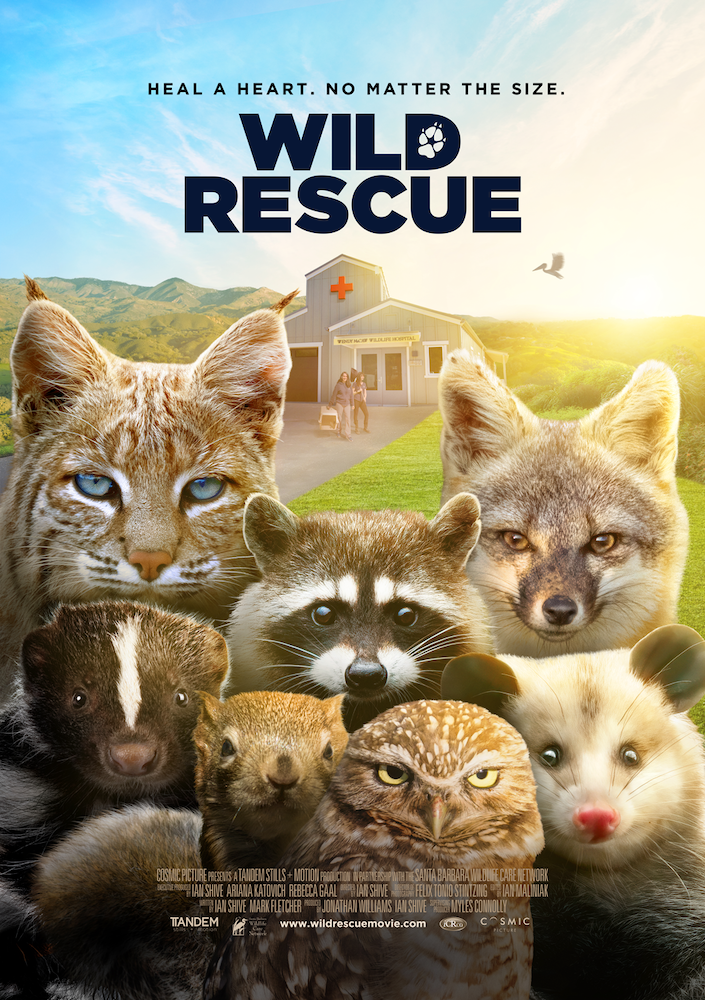
Santa Barbara Wildlife Care Network (SBWCN) rescues, rehabilitates and returns to the wild sick, injured, orphaned and/or oil-impaired wild birds, reptiles, amphibians and small mammals in Santa Barbara and Ventura counties. Over the years, the organization has grown from a grassroots effort that saw volunteers caring for animals in their homes to a nonprofit that occupies an expansive site, and operates a state-of-the-art wildlife hospital. This house of wildlife healing includes a CT scanner, a surgical group performing life-saving operations, and a dedicated team of staff, volunteers and community supporters.
Santa Barbara Wildlife Care Network’s purpose has recently evolved. To their work healing animals in need of care, they have added a sort of cross-species mediation – a project called “Wild Welcome” whose mission is to support the thriving, long-term coexistence of communities and wild animals. How? Through education, action, and conservation. While SBWCN continues its vital rehabilitation work, Wild Welcome focuses on helping communities understand local species, prevent common conflicts, and create wildlife-friendly spaces.
The vision is a world where wildlife is not just rescued, but truly welcomed, one where people take an active role in conservation. In this world, small everyday choices – such as securing trash receptacles, planting native plants, and keeping pets supervised – add up to lasting change.
To that end, Wild World and SBWCN commissioned Wild Rescue, a powerful new IMAX® documentary narrated by TV personality Marc Summers (Nickelodeon’s Double Dare, Food Network’s Unwrapped) and directed by Ian Shive, an Ansel Adams award-winning American photographer and filmmaker. Shive’s work documents some of the world’s most pristine environments and conservation stories from around the globe. He is the executive producer and host of more than 50 nature-extolling documentary episodes for Warner Bros. and Discovery, and more than 40 films for the U.S. Fish & Wildlife Service.
Wild Rescue’s breathtaking cinematography follows the dramatic stories – from rescue to rehabilitation and release at SBWCN’s facility – of several critters in crisis, while movingly demonstrating the interconnectedness of all species and the furtherance of long-term coexistence. Wild Rescue will have its local premiere at SBWCN’s Wild Night Out Benefit, an evening that serves as an elevated version of the organization’s largest annual fundraiser. Slated for July 31 at the Lobero Theatre, the benefit features a red-carpet experience, including a VIP pre-film reception and a celebratory dessert and drinks gathering after the screening.
But the film itself is the centerpiece, a bold and relatable statement from SBWCN with the objective of worldwide impact.
“Nature documentaries are beautiful, but how many of us have seen a polar bear or giraffe in their native habitat? It’s easier to care about something you are familiar with, and all of us have seen a raccoon, skunk or hummingbird – or any of the other animals that live in our area, which are much more relatable,” said Shive, who lives in Santa Ynez and served on SBWCN’s board. “The approach was to connect people with the nature they can actually understand, or rather think they understand. We may know these animals as supposed nuisances, but we don’t know them as community members.”
Meaning, Shive said, that many of us neglect the role that these creatures play, such as only noticing possums when they upset a garbage can and hiss when you arrive to investigate.
“You’re thinking, ‘Hey, get out of here!’ But possums actually help prevent disease in humans, in that a single possum can eat up to 5,000 ticks in a year,” he said. “Raccoons scavenge dead decaying animals that might otherwise smell everywhere. Songbirds eat insects that can destroy our crops and gardens. Each of these animals are playing a huge role in our daily lives. No one has really focused on that before this film.”
Shive was also able to film a CT scan at the animal hospital, a fascinating 3D look inside an injured animal, and part of following four animals on their journey. The cohort of four includes a bobcat, and a fox who was injured in the Palisades Fire – just a fraction of the more than 4,000 animal patients across 200 different species SBWCN has aided.
“Even though the film is focused on Santa Barbara, it will be playing worldwide in IMAX theaters and museums everywhere,” he said. “The format makes it almost immersive, which makes it more personal for the audience. We’re wanting to set a new bar for how we think of and treat wildlife in every community. It becomes a lens for other places to say, ‘What animals do we have? What role do they play? What role do we play in their care?’ It sets a new standard for wildlife and our relationship to the animals, especially within cities and urban environments.”
If the film leads to young people deciding to become vet techs or animal care workers, that would be ideal, said Shive, who will participate in a post-screening Q&A session. “But I’m happy if people go home and just say, well, let’s consider protecting a nest by not trimming our trees when it’s baby bird season.
“Because the truth is, we all share this planet together.”
You might also be interested in...




You must be logged in to post a comment.