
Shoes
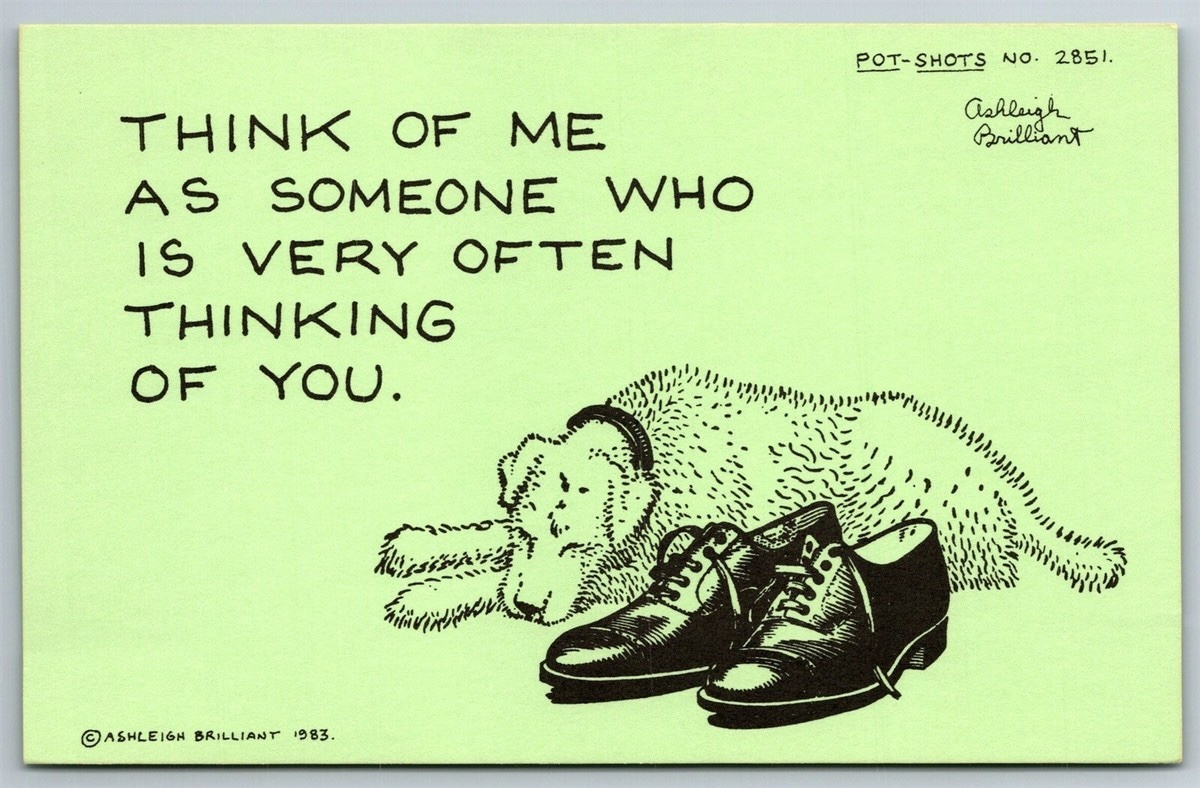
A very wise person once said that you should never criticize a man until you’ve walked a mile in his shoes – Because at that point you’ll be a mile away – and you’ve got his shoes!
Some churches sing it this way:
I got shoes, you got shoes,
All God’s chillun got shoes –
When I gets to Heaven,
gonna put on my shoes,
Gonna walk all over God’s Heaven.
What is that all about? For one thing, back in times of Slavery, and even after, a true indication of poverty was not being able to buy a pair of shoes. In fact, it was often the case that slaves were better shod than their fellow Blacks, because their owners knew that they would do better work when their feet were protected.
But the shoes themselves also needed tending – which is why the cobbler played an important role in Medieval society and, of course, in Fairy Tales, as collected by the Brothers Grimm.
One of the best-known of their stories was about an unfortunate maiden whose mother had died. Her father had remarried and acquired two unpleasant stepsisters for her. They forced her to do menial jobs and would never think of allowing her to go with them to the Festival Ball. But she would visit her mother’s grave, where, by some enchantment, she was provided with all the finery of a golden gown. The Prince had already encountered and fallen in love with her, and he had acquired one piece of her footwear, a glass slipper. By magic, a coach had appeared to take her to the Ball. There the Prince sought to find her by trying the slipper on various maidens. But it never fit – until he got to Cinderella, on whose foot it fit perfectly.
You can add the “happily ever after” conclusion for yourself.
But we must note that the “glass slipper” was somehow a mistranslation for one made of Gold.
There are also stories about shoemakers, or “cobblers.” (In the Grimm era, shoes could not be bought ready-made but had to be specially cut and sewn from tanner’s leather.) The nub of each story concerned elves or fairies who came in the night to help a poor shoemaker, so that, when he wakes in the morning, he finds his work already done.
I remember being taken, as a child, to get shoes from Thom McAn, a brand which is apparently still flourishing. One feature of that store which is still vivid in my mind, was that they had an X-ray machine on which you could step and see, on a small green screen, an image of your foot inside the shoe, presumably to show how good a fit it was. Those machines, as far as I know, are no longer in use, presumably because of the harmful effects which X-rays are now known to have. (This is why, when X-ray pictures of your teeth are taken by your dentist, the technician has to take special precautions to avoid exposure to the rays – and you yourself may be covered with some sort of protective lead blanket – since lead is impervious to X-rays.)
As you may remember, the song “Oh My Darling Clementine” – about the daughter of a “miner forty niner” – tells us that this girl’s footwear consisted of “herring boxes,” presumably indicating the poverty in which she and her miner father lived. Today small herrings – now usually called sardines – are commonly packed in easily-opened can, but in the days of the Forty Niners, those miners who were part of the great California Gold Rush of 1849, sardines were still usually packaged in boxes.
In those days, the most important connection between shoes and animals involved the shoeing of horses, who were, of course, the main providers of personal transportation. For this reason, one most important members of any community was the Blacksmith, whose place of business was known as a “smithy” or “forge.” He made or repaired many other kinds of metal objects, but his specialty was horseshoes – and this also required some knowledge of how to handle horses.
One of Longfellow’s best-known poems celebrated “The Village Blacksmith” as a sort of local hero, embodying all the manly virtues.
Getting back to our own era, Hank Fort’s song, “Put Your Shoes on, Lucy,” cleverly expresses the difference between city and country life:
“How you act will be the death of me –
Don’t they have skyscrapers
down in Tennessee?”
You might also be interested in...



