
Santa Barbara Museum of Art
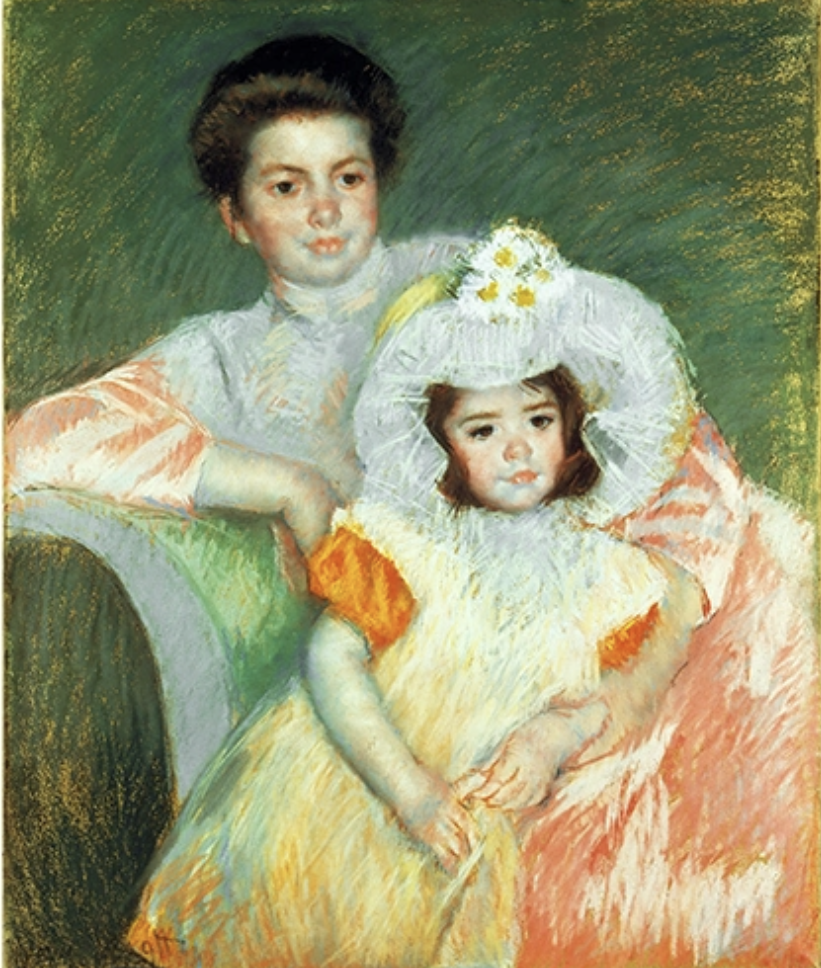
Not to be making bad puns or expressing anything short of gratitude with Thanksgiving coming in less than a week, but Santa Barbara Museum of Art Executive Director and CEO Amada Cruz has a bit of a bone to pick. It seems SBMA had a spectacular end of the year in 2025 when the museum’s two special French Impressionism shows drew huge crowds to the 85-year-old institution from October to this past January.
“They were blockbusters if I can say that, probably as close as we’ll get,” Cruz said. “They were very successful and everybody who came to see them, often more than once, were truly engaged. It’s really wonderful to have so many people in the museum.”
But the issue is that audiences, while still showing up in quite healthy numbers, haven’t quite measured up to those lofty attendance figures. Which is Cruz’s point.
“You don’t have to come to the museum only to see a blockbuster,” she said. “We actually have really great art all the time.”
That’s particularly so during the holiday season, which even without visiting Monet and Matisse masterworks is SBMA’s busiest season of the year due to an influx of relatives and friends, as well as kids having extended vacation time from school. The museum is ready.
“We’re really gearing up for it, and there’s a lot of really good work and exhibitions to see at the museum,” she said. “Especially for this time of year, we try to always have a really balanced program.”
That starts right from the get-go, as Cruz put it, when visitors pass the admissions desk and enter Ludington Court, where Portraits Revealed, culled from SBMA’s extensive permanent collection, greets guests with centuries worth of artists’ collective take on their fellow human beings.
“It’s a very eclectic view of portraiture with paintings from the 18th century right up to contemporary art, so that right from the very beginning we are introducing this idea of an exhibition program that has something for everybody.”
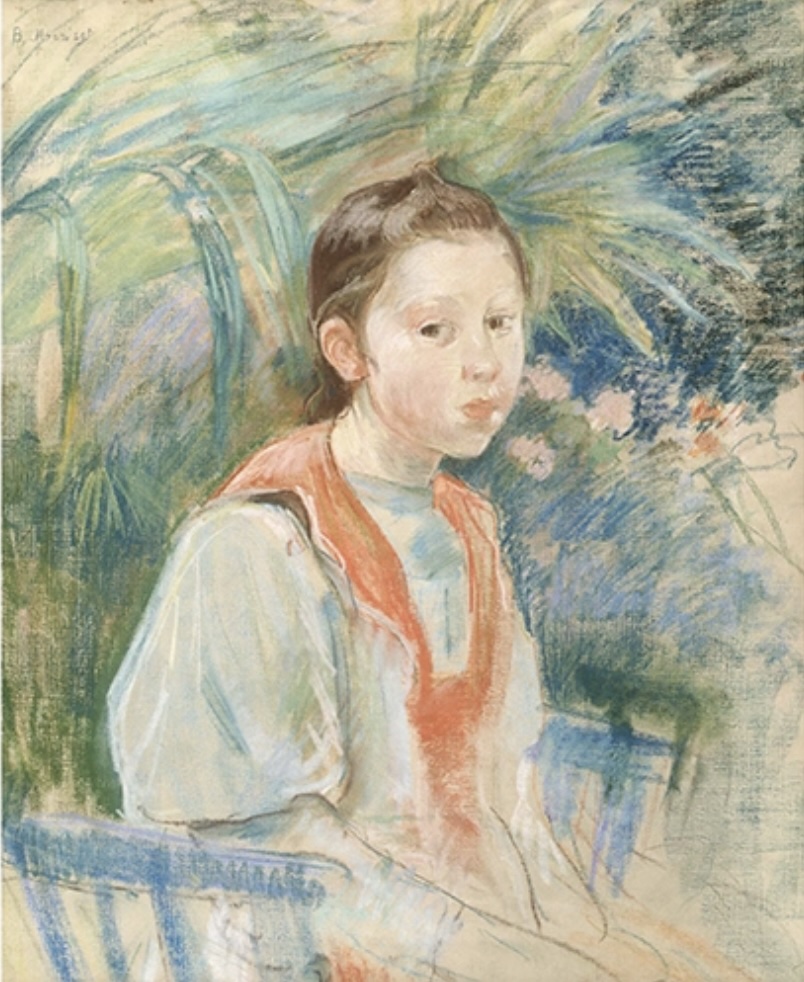
From there, visitors can go in more than one direction, including stopping in at Cassatt & Friends, a collection of 20 works by Mary Cassatt, Berthe Morisot, Henri Toulouse-Lautrec, Paul Cézanne, James McNeill Whistler and others that incorporate techniques that hinge on the tactile, with evidence of the artist’s hand undeniably present. Cassatt, best known for her paintings, was also a printmaker who often employed “counterproof,” the process of dampening a pastel drawing and pressing it on to another piece of paper, allowing the transfer of pigment to create a mirror image.
“It’s fascinating and a very, very beautiful show,” said Cruz, who let on that her favorite piece there is a Whistler print of a martini glass.
In another area, Stage Craft: Pictorialist Photography and Performance shares examples of works from more than 100 years ago, when innovators began using dramatic lighting, soft focus, and unconventional composition, printing, and editing techniques to transcend the idea that photography’s primary purpose was solely documentary or commercial. Photography was rediscovered as a means of evoking mood and tonal depth in portraying the subject. The exhibit illuminates the critical role of performance behind the Pictorialists’ revolutionary claim that photography could be art.
“They were self-consciously artistic and thought about literature and films,” Cruz explained. “The exhibit is quite exquisite and mysterious and exudes an atmospheric feeling.”
The just-opened Elegies of Abstraction is a suitably oblique title for an exhibition of paintings from the 1960-70s, described as works that “speak to us in a meditative and somber voice (and are) neither historical nor contemporary but sitting in a transitional space.”
“They’re quite large canvases that explore the idea of abstraction verging on landscape,” Cruz said. “There are some really wonderful pieces.”
Also still on view through the holiday season is “As if in a Dream: History, Fantasy, Future,” which consists primarily of the museum’s permanent collection and is augmented by select borrowed works. The collection shows how artists can recast the everyday into the realm of the visionary, and is divided into three sections: landscapes, bodies, and still life. Dream also served as the inspiration for Music Academy of the West fellows’ musical choices when, in three different daytime gallery concerts last summer, they performed alongside those works that had specifically sparked their respective interests.
“There’s a work from 1750 and another from 2012,” Cruz said. “It’s a really fascinating exhibition that’s full of surprises.” Which echoes the concept that had evoked performances by the budding pre-professional musicians in July and August.
Cruz said that having surprises in the gallery is how SBMA achieves the “challenge of animating a static space, which is essentially what a museum is.”
Looking down the road, SBMA has some surprising shows coming up in 2027, including dual exhibitions by the renowned Los Angeles-based artist duo FriendsWithYou (Samuel Borkson and Arturo Sandoval III), which opens in April. Ludington Court will debut their yet-to-be-completed commission Sonarium, a large musical instrument that aims to bring together people in a shared sonic environment as they gather, listen, and meditate. That installation will find Ludington Court appointed with pews for conversation or contemplation of the instrument, while an adjacent gallery’s FriendsWithYou survey exhibition will provide a focused introduction of the duo’s work, drawing on the past 15 years with sculptures of Little Cloud (their best-known character), Frog God, and a rainbow sculpture titled The End.
SBMA is also organizing the exhibition Martin Mull: The Joys of Indoor/Outdoor Living, featuring work by the late actor, comedian and musician. Mull studied painting at the Rhode Island School of Design in 1967 and continued making and exhibiting his art, even as his idiosyncratic career as a comic figure took flight. Curated by Steve Martin and Ann Philbin, the presentation featuring Mull’s cool, surreal, and often dark takes on postwar American life will be the first major museum exhibition of Mull’s artwork in 20 years, opening in June.
As with all exhibits, visitors can choose to simply partake of the pieces, or literally lean in close to read the mounted museum labels accompanying each work; short explanatory essays offering detail that can illuminate and magnify the viewer’s experience of a piece.
“You can come in and have a sort of pure experience of looking at the art without explanation, or you can dive in and read the bilingual labels for almost every work, which provide much more information,” Cruz explained. “And there are free docent tours where you can learn even more. Some people do both, visiting repeatedly, first just to see the show and experience it before coming back to learn a little bit more.”
No matter your preference, a trip to SBMA never fails to be a rewarding experience, Cruz said.
“Just come. We have something special every day. It’s like traveling all over the world without leaving home.” Visit sbma.net for more information
You might also be interested in...



You must be logged in to post a comment.