
Meet Urologist Ericka Sohlberg, MD
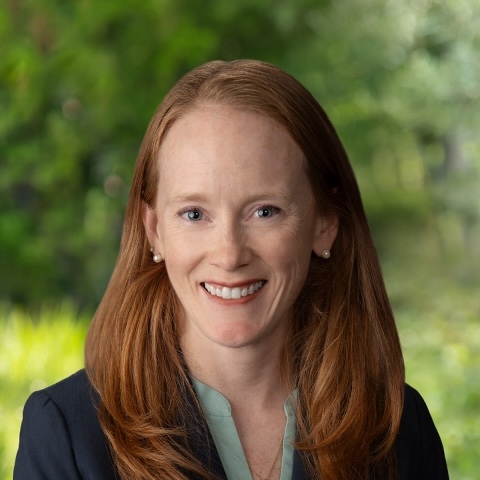
What drives someone to spend a life in medicine? In this Q&A series, a group of leading local physicians share the moments that set them on their path, the breakthroughs shaping their fields, and the realities behind the work. Their answers are candid, occasionally surprising, and grounded in experience. Together, they offer a clear-eyed look at the people delivering care in our community and what continues to motivate them every day.
Q. What inspired you to pursue a career in medicine, and how did you select your particular specialty?
A. My dad was actually a urologist. He passed away before I started medical school, but I had the model of a surgeon parent who loved his job and was still very present. I never planned to follow in his footsteps, but I tried every surgical specialty in medical school and urology was just the best one. The surgeons were funny and didn’t take themselves too seriously. They did the most robotic surgery of any specialty, the cancers were largely curable, they made a big lifestyle impact treating incontinence issues. I was sold.
What’s one misconception people often have about your field?
Honestly, urology is a mystery to most people. Most either think we are just Viagra suppliers or get us mixed up with nephrologists. My hairdresser once asked me in horror “So you…analyze pee?” The answer is that as urologists, we are the surgeons of the entire male and female urinary tract (kidneys, ureters, bladders, urethras, prostates) and the male reproductive organs for both cancerous and non-cancerous issues.
What’s the most rewarding part of your job – and the most challenging? (Boring?)
I love that urology is one of the surgical specialties with continuing care. For example, we follow our patients with prostate and bladder cancer or with voiding dysfunction (trouble holding or releasing urine) long after their surgeries. Those are some of my most rewarding patient relationships. I also enjoy broaching topics that are considered uncomfortable or private, and trying to help patients feel at ease discussing “taboo” topics.
The most challenging aspect is battling insurance denials.
What is one thing about where you work or the work you do that you believe patients should know more about and understand?
I know the Sansum-Sutter transition has been challenging for some patients. I want patients to know that we are still the same group of collaborative, compassionate Sansum physicians, just with some different teal signs and new MyChart log ins (now My Health Online). When I’m learning the new electronic health record system, I try to remember that there are pros and cons to any change. One pro with the Sutter transition is that we’ve all hired more clinicians, and our wait times in urology for non-urgent issues are now down to 1-2 weeks instead of multiple months.
What do you enjoy doing when you’re not working?
Going on outdoor adventures with my daughters. Getting to raise them in this beautiful area is such a gift.
What’s one piece of advice you’d give to your younger self starting out in medicine?
I’d tell my 20-something-year-old self to not worry about looking smart and just ask all the dumb questions.
As Sansum Clinic begins a new chapter as part of Sutter Health, we remain united by a shared mission: to deliver compassionate, high-quality care to the communities we serve. Together, we are shaping the future of healthcare on the Central Coast.
Sponsored by Sutter Health | Visit www.sutterhealth.org
You might also be interested in...




You must be logged in to post a comment.