
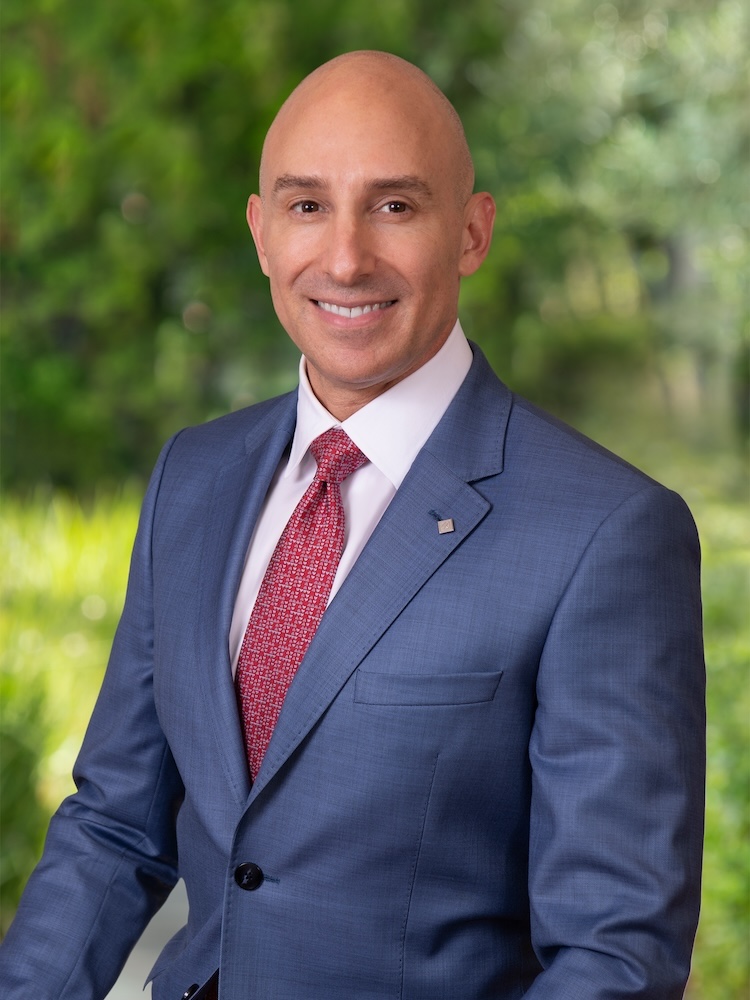
Meet Cardiologist, Gregory A. Cogert, MD, FACC, FHRS
What drives someone to spend a life in medicine? In this new Q&A series, a group of leading local physicians share the moments that set them on their path, the breakthroughs shaping their fields, and the realities behind the work. Their answers are candid, occasionally surprising, and grounded in experience. Together, they offer a clear-eyed look at the people delivering care in our community and what continues to motivate them every day.
Meet Cardiologist, Gregory A. Cogert, MD, FACC, FHRS
Q. What inspired you to pursue a career in medicine, and how did you select your particular specialty?
A. As a Freshman at UCLA, I was hired as a data analyst by the heart transplant program. One evening while crunching numbers, a cardiologist asked me to put on a white coat and take a walk with him. He soon dropped me off in an operating room where I was given a stool to place at the head of the OR table, and I sat and watched as a team of surgeons opened a man’s chest and removed his heart. Staring into that empty chest as a fresh heart was removed from a cooler brought my future into instant focus. From that moment I knew I would dedicate my life to the science and technology of medicine. Committing to the health and well-being of a community and its individuals is a constant inspiration
Can you share a moment in your career that profoundly impacted you?
Completing my specialty training in cardiac electrophysiology at the Mayo Clinic in Rochester, MN, bestowed upon me skills to help patients previously told that “nothing could be done.” It is a great honor to provide curative life changing procedures to patients, many of whom have lost hope. In my first year out of training, I met a young woman with an Implantable Cardioverter-Defibrillator exhausted from numerous painful shocks. She was contemplating turning off the defibrillator and pursuing palliative care. Armed with the catheter ablation skills from my mentors at Mayo, I offered the patient a ventricular tachycardia ablation. After a successful ablation, she experienced a complete resolution of her heart problems and ultimately was able to have the defibrillator removed and live a life unencumbered by heart disease.
What medical advancements, innovations, technologies do you incorporate into your treatment of patients?
I do many different procedures including radiofrequency ablation, pacemaker, defibrillator, resynchronization device, conduction system device, loop recorder device implant and cardioversion.
In 2024, the FDA approved pulse field ablation technology for ablation of cardiac arrhythmia. I can provide the highest level of expertise to patients with arrhythmia. Pulse field ablation is safer and more effective than all prior modalities. The non-thermal disruption of electrical tissue allows for a more complete treatment without the risks to collateral structures with the limited, previously available treatments. Patients that failed prior ablation procedures and were told they had no options are now being successfully treated with pulse field ablation.
What is the most rewarding part of your job – and the most challenging?
The most rewarding part of my job is using my knowledge and technical abilities to restore function and quality of life to my patients. Whether it is the athletes who thought their days of competition were over or the many patients who see me after a successful procedure and say, “I thought I was just getting old.” Seeing my patients living their life to its fullest is the best reward.
What is one thing about where you work or the work you do that you believe patients should know more about and understand?
As a medical community we need to do a better job educating people about atrial fibrillation. This is an exceedingly common medical condition the affects up to 25% of individuals over 40 years of age at some point in their life. Although most patients will experience symptoms and seek medical attention for this problem, there are a large number of patients with this diagnosis that do not experience any symptoms. There are two risks with asymptomatic atrial fibrillation. It can cause a large life-altering or life-ending stroke without warning. It can also cause heart failure and sudden death prior to being diagnosed. It is crucial to diagnose atrial fibrillation to prevent these completely treatable sequelae. Fortunately, wearable technology, including the Apple Watch, has dramatically improved diagnosing atrial fibrillation with automated atrial fibrillation alerts.
What is a daily ritual or habit that helps you stay grounded?
Exercise. As I tell every patient, “Exercise is the best medicine.” I start each day with some form of physical exertion. Whether it’s lifting weights, hot yoga, swimming laps, Peloton, or surfing, I consider daily exercise the most important part of each day. My job is physically demanding, and my patients deserve my physical and mental best. The strength, endurance, and energy afforded by physical activity keep me sharp and energized for my patients and my family. Regular physical activity improves my ability to handle the challenges of the day and allows me to keep a positive attitude in the face of the many challenges healthcare has to offer.
As Sansum Clinic begins a new chapter as part of Sutter Health, we remain united by a shared mission: to deliver compassionate, high-quality care to the communities we serve. Together, we are shaping the future of healthcare on the Central Coast.
Sponsored by Sutter Health | Visit www.sutterhealth.org
You might also be interested in...




You must be logged in to post a comment.