
NeuroField: The Clinic Exploring a New Field of Neuroscience
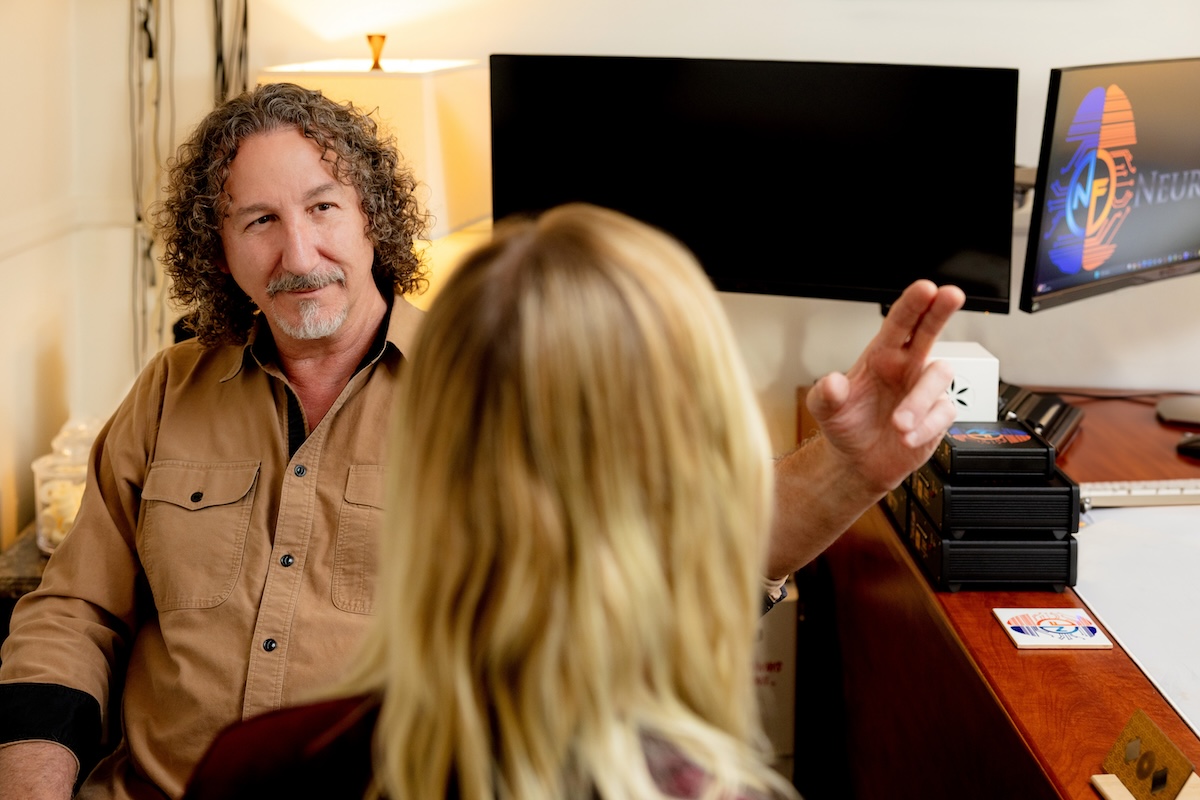
NeuroField is not an easy thing to explain in a sentence. It blends neuroscience, clinical therapy, and a suite of technologies designed to read and influence the brain in real time. But behind the complexity is a clear goal: to understand how the brain is functioning, and then help it function better.
At its core, NeuroField starts with measurement. Using electroencephalography (EEG) and event-related potentials (ERP), clinicians map brain activity, identifying where patterns are inefficient, dysregulated, or simply out of balance. That data becomes the foundation for treatment.
From there, the process becomes highly individualized. “We look at your brain waves and say, this is why you’re feeling the way you’re feeling,” explains Dr. Nicholas Dogris, CEO of NeuroField. “Then we create a stimulation protocol to address that.”
The term they use – multimodal neurostimulation – captures the range of tools involved. Rather than relying on a single method, NeuroField combines several: cranial electrical stimulation, electromagnetic fields, and photobiomodulation. Each can be adjusted in frequency and intensity, allowing clinicians to tailor treatment to the individual rather than the diagnosis.
For patients, the experience is often compared to physical therapy. The brain, like the body, responds to repetition. Over a series of sessions – typically 20 to 30 – the goal is to interrupt inefficient patterns and reinforce more stable ones. The changes are gradual, but cumulative.
That approach allows NeuroField to work across a wide spectrum of concerns. In practice, the clinic sees patients dealing with anxiety, depression, PTSD, addiction, ADHD, traumatic brain injury, and age-related cognitive decline. The common thread is not the diagnosis itself, but whether the issue has a neurological component.
“If it’s neurological in origin, we can address it,” says Dr. Tiff Thompson, a clinical neuroscientist, and Founder and CEO of NeuroField Neurotherapy.
It also offers a different lens on treatment. Medications often manage symptoms. NeuroField is designed to change the patterns producing them. For some patients, that means working alongside existing treatments. For others, it becomes an alternative.
The company’s recent FDA clearance for its Genesis Sleep device – a cranial electrical stimulator used to treat insomnia – marks a significant step in that direction. The device went through multiple iterations over nearly a decade before receiving approval, underscoring both the technical and regulatory hurdles involved.
Still, the origins of NeuroField are less technical than personal.
A Not So Simple Solution

In 2002, Dr. Dogris’s son was born prematurely with a hypoxic brain injury, the result of oxygen deprivation at birth. At the time, neurofeedback required active participation, making it impractical for infants. Waiting years to begin treatment wasn’t an option.
“I had to find a solution for my child and his future,” Dogris says.
He began exploring ways to stimulate the brain directly. Existing options, like transcranial magnetic stimulation, were effective but too aggressive for a newborn. What he couldn’t find was a lower-intensity approach – something that could gently encourage the brain to change.
So he began building one.
Without a background in engineering, Dogris partnered with a radio frequency engineer he met by chance. Within weeks, they had a working prototype. Within months, early users were reporting meaningful changes. What began as a personal project expanded into something larger.
By 2008, NeuroField was formally established. Over the years, the system evolved to include EEG measurement, and software capable of analyzing brain data in real time. Today, NeuroField operates through three entities NeuroField, which develops the hardware and software; NeuroField Neurotherapy, the Santa Barbara clinic where patients are treated; and the School of Neurotherapy, which trains clinicians in neuroscience concepts and technologies.
To Each Brain Its Own Experience
One of the defining features of the NeuroField platform is that it has both measurement/assessment and treatment hardware and software. The stimulation modalities are personalized to the individual’s brain data, meaning that every person who enters the clinic receives a protocol unique to their needs. More recently, the addition of AI-assisted analysis has helped streamline that process, generating treatment protocols based on large datasets and clinical rules.
For Dr. Thompson, that analytical layer is central. With a background in neurodiagnostics and EEG interpretation, she emphasizes that the technology only works when paired with careful analysis.
“What we’re doing is computational neuroanalysis, applied clinically,” she says.
That distinction matters in a field that has, at times, struggled with consistency. NeuroField positions itself firmly on the side of data-driven care, using measurable brain activity to guide decisions rather than relying on generalized protocols.
For patients, that often changes how they understand their own experience. Instead of describing symptoms alone, they can see how those symptoms show up in brain activity – where something is overactive, underactive, or poorly coordinated.
“The data doesn’t lie,” Dogris says.
Naturally terms like “brain stimulation” or “EMF” may raise some eyebrows. NeuroField addresses this directly. Dogris notes the EMF difference between, say, a cellphone – which has high intensity ‘block’ waves – and the technology NeuroField uses. “The EMF we’re creating is synonymous to what comes out of the earth … it’s ‘sinusoidal,’ and it’s very low intensity.”
The electromagnetic fields used in treatment are low intensity and designed to gently stimulate neurons, not override them. The effect is closer to encouraging the brain than forcing it.
That distinction is important. When neurons are lightly stimulated, they draw in more resources – blood flow, oxygen, and energy – which supports repair and growth over time. The process builds with repetition.
The work is also often collaborative. In cases involving trauma, patients may combine NeuroField with psychotherapy, allowing emotional processing to happen alongside neurological change. In other cases, patients arrive after years of therapy with limited progress, finding that addressing the brain directly shifts something that hadn’t moved before.
There is also a growing group of patients who come in without a specific diagnosis. They’re looking for sharper focus, better memory, or more consistent energy. In that sense, NeuroField extends beyond treatment into performance and optimization.
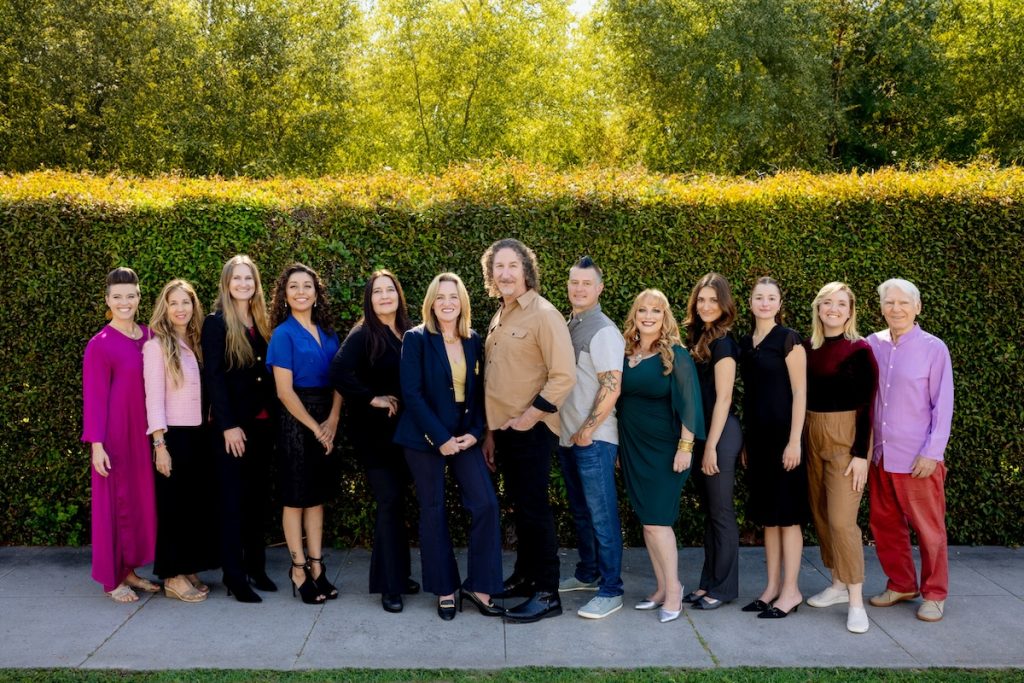
Locally, the story remains rooted in Santa Barbara. NeuroField is still a family-run operation, with Dogris and Thompson working side by side in their clinic while training clinicians around the world.
What began as a search for a solution has grown into a system used internationally, supported by FDA-cleared technology and ongoing research. But the motivation behind it hasn’t shifted much.
It started with a parent trying to help his child – and continues as an effort to understand the brain well enough to help others do the same.
Visit www.neurofieldneurotherapy.com for more information
You might also be interested in...




You must be logged in to post a comment.