
Museum of Natural History’s Stunning Exhibit Returns

If you’ve ever visited the Santa Barbara Museum of Natural History’s Butterflies Alive! exhibit at the Sprague Butterfly Pavilion, it won’t come as a surprise that USA Today ranked it among the top three butterfly exhibits in the nation. Walking through the display feels like stepping into a dreamlike realm, surrounded by creatures so stunning they hardly seem real.
The exhibit, which opened on May 24th and runs until September 1st (Labor Day), educates visitors about the importance of pollinators in our ecosystem. The display features about 1,000 butterflies from Costa Rica, representing over 24 species. Museum members can access the exhibit for free; ticket buyers must purchase a $3 additional ticket.
The showcase comes at a crucial time as it helps raise awareness about the declining pollinator populations. From 2000 to 2020, overall butterfly abundance dropped by 22% across 554 species, according to a 2025 study published in Science. Santa Barbara Natural History Museum’s Director of Guest Experiences, Kim Zsembik, hopes the exhibit encourages people to consider habitat preservation, native plant cultivation, and increases understanding of how individual actions truly can support butterfly conservation. “I think one thing that I would love for guests to take away is just a big appreciation of how, in general, insects rely on our natural environment,” said Zsembik, “And how we can play a part as a building block to preserve those habitats.”
By inspiring curiosity, the exhibit aims to create a deeper appreciation for the natural world and motivate people to take steps to protect local and global ecosystems. “I think hosting Costa Rica species just shows diversity in what the world has to offer,” Zsembik reflected. Designing the butterfly habitat was a complex process that involved creating micro-environments mimicking Costa Rican rainforest conditions. When designing the exhibit, she carefully considered the specific needs of different butterfly species, such as their preferred altitudes and environments. “My focus is on the care of the butterfly.”
The goal was to create a living, dynamic environment that not only displays butterflies but also provides them with a comfortable, naturalistic habitat that supports their life cycle and behaviors. “I try to think about what a butterfly would want,” said Zsembik, who designed the exhibit, “What would make their day?”
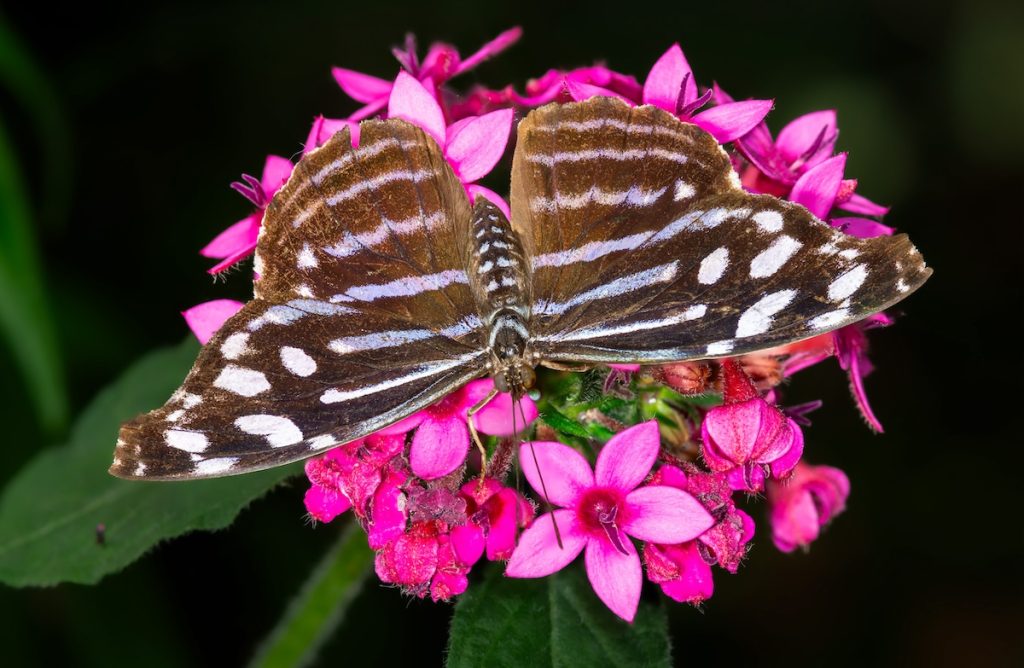
Shaded areas with ferns cater to butterflies that prefer darker, cooler spots, while tall trees and arbors provide higher perches for others. Ground-level flowers ensure accessibility and attract butterflies that stay low. The exhibit also offers a variety of food sources, including fruit plates for species like Morphos and owl butterflies, as well as a range of nectar-producing plants. To mimic a tropical climate, a misting system maintains high humidity, with temperatures above 55 degrees to encourage butterfly activity. The habitat is adjusted throughout the season based on how the butterflies behave and interact with their surroundings.
Beyond the exhibit, visitors are encouraged to apply what they’ve learned at home by supporting pollinators in their gardens. Zsembik emphasizes that planting native flowers is the most important way to support pollinators in your backyard. She recommends focusing on native plants that are drought-tolerant and follow natural climate cycles, which provide better resources for local insects. You can do this by visiting local nurseries, consulting the Botanic Garden, and creating diverse garden spaces with wildflowers, sage, and other native species.
By planting flowers, you can help pollinators like butterflies, bees, and moths survive and contribute to maintaining biodiversity. Zsembik’s ultimate goal is to encourage people to keep color and life in their local ecosystems by making simple, thoughtful gardening choices. “It’s just such a harmonious relationship,” said Zsembik, who emphasized that plants can’t reproduce without pollinators. “And then we just have less color, and this world needs to be colorful.”
You might also be interested in...




You must be logged in to post a comment.